How to Store Food Safely While Camping in the UK
· Updated
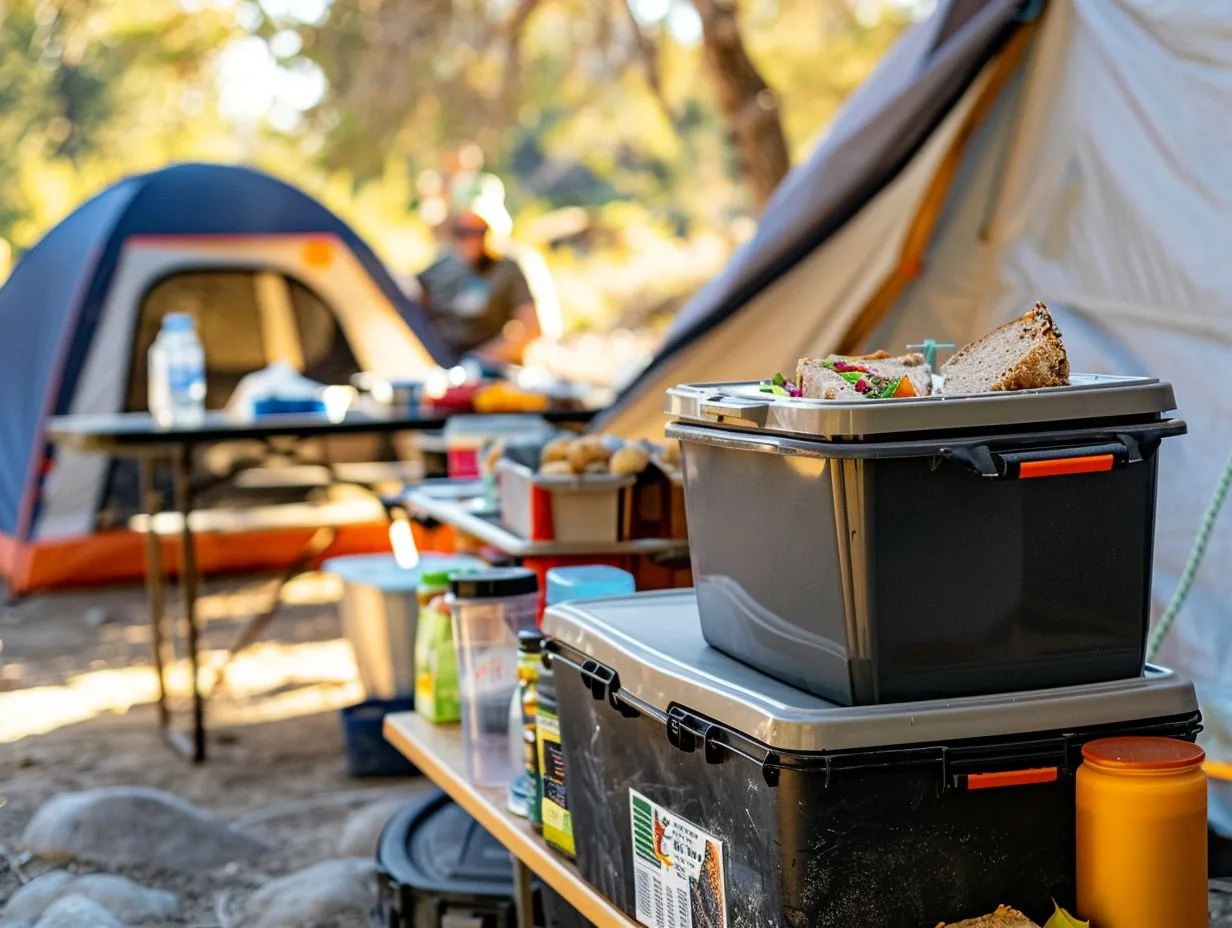
Good food storage on a campsite comes down to two things: pack it so nothing gets crushed or leaks, and seal it so nothing gets in. Get those right and you never store food in the tent you sleep in. Everything perishable lives in the cool box, everything dry lives in a hard container, and rubbish gets walked to the bins before bed.
This is the storage and keep-the-wildlife-out side of camp catering. It pairs with our guide to campfire cooking essentials, and it sits alongside the temperature and hygiene rules covered in how to keep food safe and fresh. This page stays in its lane: organising, packing and defending your food.
It is a practical guide from Camping Sites in Britain, where you can find and compare campsites, caravan parks and glamping across the UK.
Pack food in hard, airtight containers
Decant everything into rigid, sealable boxes before you leave home. Soft packaging splits in a rucksack, crisps get crushed under a tin, and a leaking sauce bottle ruins a bag of clothes. Hard-sided tubs stop all three, stack neatly in a crate or the boot, and lock in the smells that draw animals to your pitch in the first place.
A few habits make the difference on site:
- Decant into tubs. Move cereal, pasta, rice and snacks into square airtight containers that stack without wasting space. Ditch the cardboard at home so you carry less and attract fewer pests.
- Keep it hard-sided. Choose rigid boxes over bags for anything a mouse could chew through. Sealed plastic or metal beats a zip-lock bag every time.
- Use a food crate. One sturdy crate for dry goods keeps the whole lot together, off the damp grass and easy to lift into the car overnight.
- Consider a hanging larder. A collapsible mesh food safe hung under an awning keeps bread, fruit and cooked leftovers ventilated, off the ground and away from ants and slugs.
The right tubs and boxes double as prep and serving gear. Our guide to essential tools for campsite cooking covers what earns its place in the crate.
Keep British campsite wildlife out of your food
There are no bears in Britain, so forget the bear-proof canisters you see in North American advice. The raiders here are foxes, badgers, mice, rats, squirrels, slugs and seagulls, and every one of them will help itself to an open tent or an unattended table. They are opportunists, not attackers, which means the fix is simple: give them nothing to find.
The golden rule is that food never goes in your sleeping tent. A fox will nose through the porch, a mouse will chew through the groundsheet, and you do not want either in the compartment where you sleep. Instead:
- Seal food in the car overnight. On a car-camping or touring pitch this is the single most effective move. A closed boot beats anything else on site.
- Use a locked cool box or a dedicated storage tent. No car? A hard cool box with a clip-down lid, or a separate porch or utility tent kept zipped, keeps the smells contained and the animals out.
- Never leave scraps out. Wipe the table, sweep crumbs off the groundsheet and clear plates straight after eating. Spilled squash and stray chips are what bring ants, wasps and slugs in the first place.
- Do not feed the seagulls. At coastal sites herring gulls will take food from your hand and come back all week once fed. Eat under an awning and keep nothing on the table you are not watching.
This is the food-storage half of a bigger picture. For the full rundown of what bites, stings and raids a British pitch, and when each is about, see our food safety and freshness guide.
Run the cool box and the dry food separately
Keep perishables and dry goods in two different systems. The cool box is for anything that needs to stay cold, and the dry crate is for everything that does not. Mixing them means opening the cold store more often, which lets the temperature climb, and it makes the whole lot harder to organise.
The Food Standards Agency advises keeping chilled food out of the danger zone, below 8°C and ideally under 5°C, and using ice packs in a cool box to hold that temperature on a day out (Food Standards Agency, keeping food safe on a picnic). A few packing habits keep the cool box working:
- Pre-chill everything. Cool the box and its contents in the fridge overnight so it starts cold rather than spending its ice cooling warm food.
- Pack ice packs, not loose ice. Frozen blocks last longer and keep meat and dairy dry rather than swimming in meltwater.
- Keep drinks in a separate cool box. Drinks get opened constantly, so give them their own box and the food store stays shut and cold.
- Raw at the bottom, sealed. Store raw meat in leak-proof tubs at the base so nothing can drip onto ready-to-eat food. The temperature detail lives in the sibling guide above.
Dry food, meanwhile, just needs to stay sealed, dry and off the ground. Non-perishables like pasta, tins, oats, nuts and crackers are the backbone of easy camp meals. Our guide to how to make your own camping meals shows how to plan them so you carry less and waste nothing.
Bin discipline and food waste
Rubbish is a magnet, so deal with it before you settle down. A bin bag left in the porch is an open invitation to foxes and rats, and by morning the contents are strewn across the pitch. Bag scraps as you go, keep the bag sealed, and walk it to the site bins before bed rather than leaving it out overnight.
Most UK campsites now separate general waste from recycling and food waste, so use the food-waste bins where they are provided and rinse tins and tubs before they go in recycling. If you are on a remote or wild pitch with no facilities, everything comes home with you. Leave no trace means exactly that: no peelings tipped in the hedge, no foil left in a fire pit, nothing buried.
Storing food when you are backpacking
On a backpacking trip the priority is rodent-proofing, because mice and rats will chew through a rucksack pocket overnight to reach a cereal bar. Keep food out of the sleeping area and make it hard to reach:
- Use a sturdy dry bag. A thick roll-top dry bag seals the smell in and survives a night better than a thin carrier bag. Repackage food into it before you set off.
- Hang food or keep it away from the tent. Suspend the dry bag from a branch clear of the ground, or at least stash it well away from where you sleep, so any night-time visitor never comes near your tent.
- Take rubbish with you. Carry a second sealable bag for wrappers and scraps and pack it out. There are no bins in the backcountry.
- Keep it simple. Dehydrated meals, oats, nuts and hard cheese travel light, need no cool box and give a rodent little to smell.
Frequently asked questions
How do I keep animals out of my food when camping?
Seal everything in hard, airtight containers and store them in your car or a locked cool box overnight, never in your sleeping tent. Clear up scraps straight after eating and walk rubbish to the bins before bed. British raiders are foxes, badgers, mice, rats and gulls, all opportunists.
Where should you store food at a campsite?
In sealed hard boxes kept in the car, or in a locked cool box or a separate zipped storage tent. Keep perishables cold in the cool box and dry goods in a crate off the ground. Never keep food inside the compartment where you sleep.
Can you keep food in your tent overnight?
Keep it out of your sleeping tent. Foxes will nose through a porch and mice will chew through fabric to reach it. Use the car or a locked cool box instead, or a dedicated storage tent kept fully zipped, so nothing is drawn to where you sleep.
How do you keep a cool box cold while camping?
Pre-chill the box and contents overnight, pack frozen ice packs rather than loose ice, keep drinks in a separate box so the food store stays shut, and keep it in the shade. The Food Standards Agency advises holding chilled food below 8°C, ideally under 5°C.
How do you store food when backpacking in the UK?
Repackage it into a sturdy roll-top dry bag, keep it well away from your tent or hang it from a branch, and pack all rubbish out. Choose dehydrated meals, oats and nuts that need no cool box and give rodents little to smell.
Do you need a bear canister when camping in Britain?
No. Britain has no bears, so bear canisters are unnecessary here. The animals that raid a UK pitch are foxes, badgers, mice, rats, squirrels, slugs and seagulls, all of which are beaten by sealed hard containers and tidy bin habits rather than specialist canisters.
The short version
Decant food into hard airtight boxes, run the cool box and dry crate separately, and keep everything out of your sleeping tent and in the car or a locked box overnight. Clear scraps as you go and walk rubbish to the bins before bed, and no British animal will bother you.
Ready to book? Browse and compare pitches across the country on Camping Sites in Britain, then pack the crate and pitch up.