The best no-cook snacks for hiking and camping
· Updated
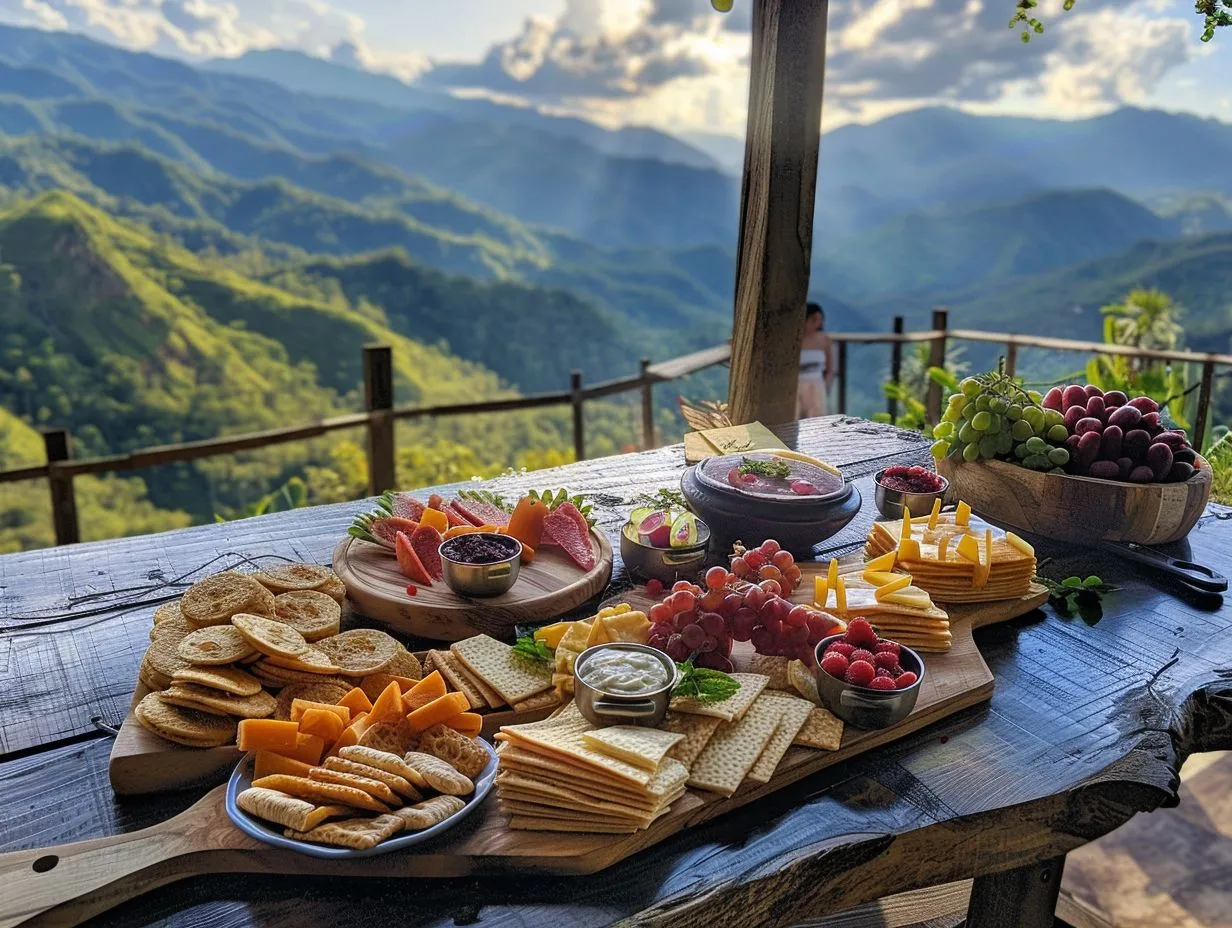
The best snacks for a day on the trail need no stove, no washing up and no fuss. Pack a mix of fast carbs for a quick lift and slower fats and protein to keep you going, and keep the whole lot within reach of a hip pocket so you can graze on the move. A flapjack, a handful of nuts, some dried fruit and an apple will out-perform any fancy kit.
This guide is about portable, no-cook food you eat cold, straight from the wrapper, not the snacks to cook over an open fire back at the pitch. If you want that other half of the plan, the food you actually cook, see our campfire cooking essentials. And if you are still choosing where to pitch up, browse thousands of sites across Camping Sites in Britain.
The thinking is simple. Walking burns through energy faster than you notice, and the classic mistake is packing all sugar. You get a lift, then a slump. Balance the fast stuff with something slower and you stay level all day.
What makes a good no-cook trail snack
A good trail snack is dense in energy, light in your bag and happy to be eaten cold with your fingers. That rules out anything that needs heating, a bowl or a spoon, and anything that turns to mush by lunchtime.
Aim for three things. It should give you real calories for its weight, so you carry less. It should survive a day being squashed in a rucksack, ideally in warm July sun. And it should be easy to open one-handed while you keep walking, because the snacks you actually eat are the ones you can reach.
The other half of the job is fuel balance. Fast carbs like dried fruit and jelly babies hit quickly. Slower fats and protein like nuts, cheese and cured meat release over hours. Carry both and alternate through the day.
Quick energy: fast carbs for a lift
Reach for these when you feel yourself flagging on a climb or in the last hour back to the car. They work fast because they are mostly sugar and simple carbs.
- Flapjack. The great British trail snack. Oats, butter and syrup pack serious calories into a small square, and a shop-bought or homemade slab travels brilliantly.
- Energy bars and cereal bars. Compact and consistent. Handy when you want a known quantity, though many are smaller and pricier than a hunk of flapjack.
- Malt loaf. Soreen-style malt loaf is sticky, dense and nearly indestructible in a bag. Sliced and buttered it is close to a proper meal.
- Dried fruit. Raisins, apricots, dates, mango and banana chips give quick sugar plus fibre. Dates in particular are almost pure fast fuel.
- Jelly babies and wine gums. Runners and hillwalkers swear by them for a reason. A few sweets give an instant lift and weigh almost nothing.
Slow-release and savoury: fats and protein that last
These are the snacks that stop the mid-afternoon crash. Fats and protein digest slowly, so they keep your energy steady rather than spiking it.
- Nuts. Almonds, cashews, peanuts and walnuts are the densest energy you can carry. A small bag goes a long way.
- Trail mix. Nuts and dried fruit together give you the fast-and-slow combination in one handful, which is exactly what you want.
- Oatcakes. Sturdy, filling and a proper base for cheese or peanut butter. They survive a rucksack far better than crackers.
- Cheese. Hard cheeses like cheddar keep for a full day out and pair with oatcakes or an apple. Save soft cheese for cooler days.
- Cured sausage and jerky. Chorizo, salami, Peperami and beef jerky are shelf-stable, salty and protein-rich, ideal on a long walk.
- Peanut butter. Squeeze sachets or a small tub spread on oatcakes deliver a big hit of energy and protein with no mess if you are careful.
Fresh-ish food that travels
Some fresh food copes fine with a day in a bag and gives you a lift that processed snacks cannot. It adds water, fibre and a bit of morale.
- Apples and oranges. Both are tough enough to bounce around a rucksack. An orange doubles as a hydration boost, and the peel packs out easily.
- Carrots and sugar snap peas. Crunchy, refreshing and robust. A bag of carrot sticks is a genuinely good hill snack.
- Boiled eggs. Cook them the night before and carry them in a small tub so they do not crack. Two eggs are a compact protein hit.
- Cherry tomatoes and grapes. Best in a rigid tub near the top of your bag so they are not crushed.
Homemade snacks worth the effort
Making your own costs less and lets you tune the ingredients to the day and the people. It is also the easiest way to cut down on wrappers.
Your own trail mix is the obvious start. Buy nuts, seeds and dried fruit in bulk, add a few chocolate chips or some coconut, and bag it in portions. Energy balls of oats, peanut butter, honey and cocoa take ten minutes and travel well in a tub. And a tray of homemade flapjack, cut into squares and wrapped, beats almost anything you can buy for calories per pound.
If you are planning food for the whole trip, not just the walk, our guide on how to make your own camping meals covers the pitch-side cooking that pairs with these grab-and-go snacks.
How much to pack for a day's walk
For a full day of hillwalking, plan on roughly 500 to 800 calories of snacks on top of your breakfast and lunch, more if it is a big day with a lot of ascent. That is about two flapjacks, a bag of trail mix and a piece of fruit for most people.
The table below is a rough guide, not a rule. Match it to the effort and the weather, and always carry a bit more than you think you need in case a walk runs long.
| Type of day | Rough snack calories | Example pack |
|---|---|---|
| Short walk, 2 to 3 hours | 200 to 300 | One flapjack, small bag of nuts |
| Full day hillwalk | 500 to 800 | Two flapjacks, trail mix, an apple, jerky |
| Big mountain day | 800 to 1,000+ | Add a second savoury item and extra fast carbs |
Split your snacks between fast and slow. A rough split of half quick carbs and half slower fats and protein keeps your energy level rather than seesawing.
Packing, hot weather and leave no trace
Keep your snacks where you can reach them. A hip-belt pocket, a jacket pocket or the lid of your rucksack means you graze little and often instead of stopping, digging deep and skipping it. Little and often beats one big stop.
In summer, skip melt-prone chocolate or keep it deep in the bag away from the sun. Swap chocolate bars for flapjack, malt loaf or jelly babies, and keep cheese and cured meat cool by burying them in the middle of your pack. A small freezer block in an insulated pouch keeps things fresh on a hot day.
Pack out every wrapper, peel and crumb. Orange peel and apple cores take weeks to break down and are not welcome on a fastened hill, so carry a small bag for rubbish and take the lot home. That is the heart of leave no trace, and it is what keeps our wild places worth walking. Follow the Countryside Code and leave every spot as you found it.
Do not forget to drink
Snacks are only half the fuel. Salty foods like nuts and jerky make you thirsty, and dehydration will flatten you faster than hunger will. Carry at least one to two litres of water for a day walk and sip steadily rather than gulping at the top.
For how to plan your water, spot the early signs of dehydration and use electrolytes on hot days, read our guide to hydration while hiking. Food and water work together, so plan both before you set off.
Frequently asked questions
What is the best snack to take hiking?
Flapjack and trail mix are hard to beat. Flapjack gives dense, fast calories, and trail mix combines quick sugar from dried fruit with slower energy from nuts. Together they cover a full day on the hill.
What snacks do not need refrigeration for camping?
Flapjack, nuts, trail mix, dried fruit, oatcakes, jerky, cured sausage, malt loaf and energy bars all keep at room temperature for a day out or longer. Hard cheese lasts a day; soft cheese needs cool storage.
How much food should I carry for a day hike?
Plan roughly 500 to 800 calories of snacks for a full day, on top of breakfast and lunch. That is about two flapjacks, a bag of trail mix and a piece of fruit for most walkers.
Are boiled eggs good for hiking?
Yes. Boiled eggs are a compact, portable source of protein. Cook them the night before and carry them in a small rigid tub so they do not crack in your rucksack.
What snacks should I avoid on a summer hike?
Avoid chocolate bars and anything that melts, along with soft cheese and messy sandwiches that spoil in the heat. Swap them for flapjack, jerky, oatcakes and fruit that cope with a warm day.
Do I need to pack out fruit peel and cores?
Yes. Orange peel and apple cores take weeks to rot and are not natural to most trails. Carry a small rubbish bag and take everything home, following leave no trace and the Countryside Code.
The short version
Pack no-cook food that is dense, tough and easy to reach: flapjack and dried fruit for quick energy, nuts, cheese and jerky to keep you going, and an apple or a boiled egg for a fresh lift. Balance fast and slow fuel, drink steadily, and carry every wrapper home. For the pitch-side half of the plan, head back to our campfire cooking essentials, or find your next base across our UK campsite listings.