How to Stay Hydrated While Hiking: Water, Bladders and Refills
· Updated
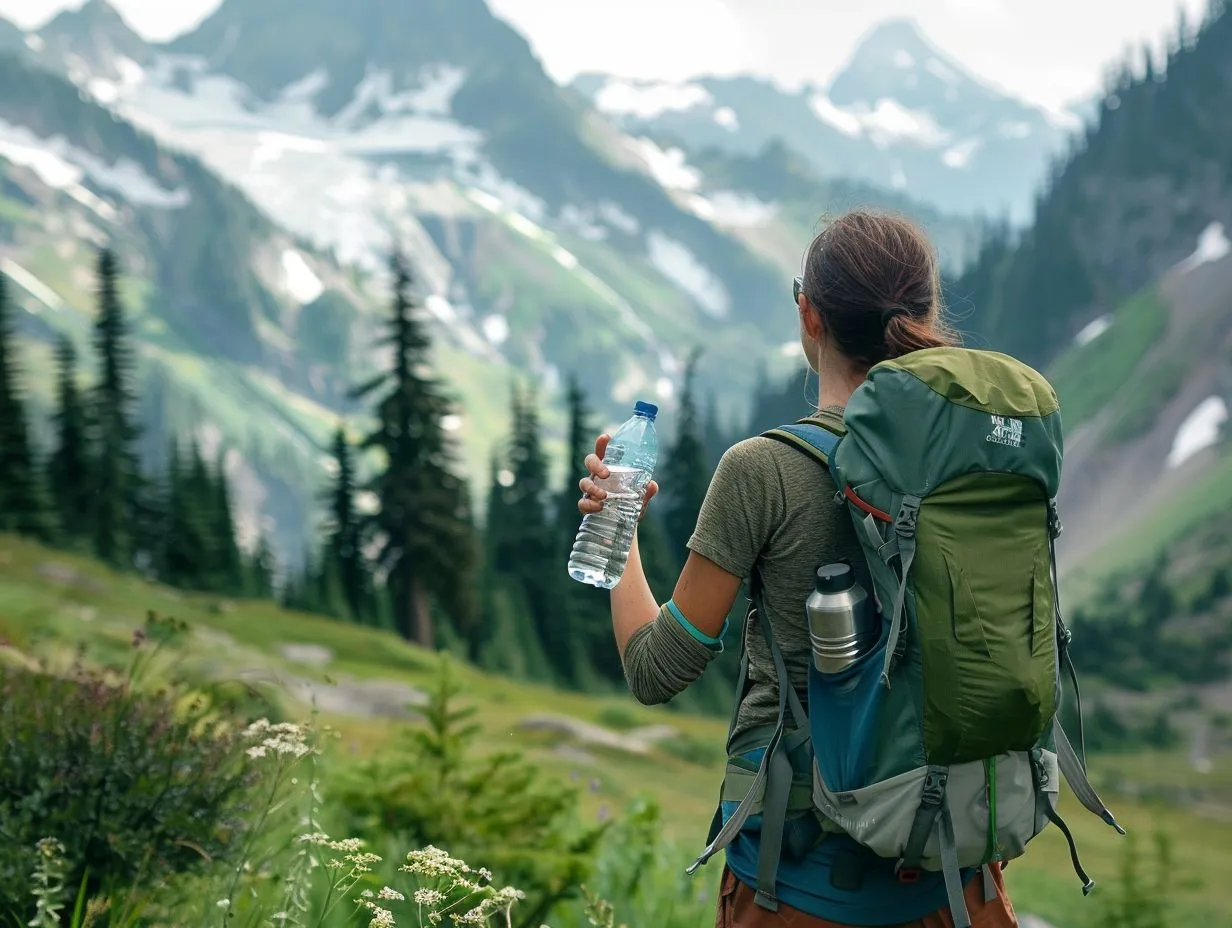
Aim for roughly half a litre of water for every hour you walk, and drink it in steady sips rather than waiting until you feel thirsty. A typical UK day walk needs somewhere between 1.5 and 3 litres, but the real answer depends on the heat, the climbing and how hard you are working, so treat that range as a starting point and adjust.
Get it right and hydration is a non-event. Get it wrong and you end up with a headache on a summit, legs that cramp on the descent, or a wasted afternoon because you rationed water you should have drunk. The good news is that staying sorted takes a bit of planning and a couple of habits, nothing more.
This guide is part of our advice on camping along the UK's national trails, and it comes from Camping Sites in Britain, where you can find and compare campsites and bases near the routes you want to walk.
How much water to carry
Plan on about 0.5 litre per hour of walking as your baseline, then push it higher for heat and hard effort. A gentle four-hour valley walk on a cool day might only call for 1.5 litres, while the same hours spent grinding up a Lakeland fell in July can easily double that. Sweat rate varies a lot between people, so learn your own by paying attention to how much you actually drink on walks you know.
The complication is weight. Water weighs 1kg per litre, so 3 litres adds 3kg to your pack, which is why you do not simply carry a whole day's supply if you can top up along the way. The skill is matching what you carry to what you can refill, rather than lugging every drop from the car park.
| Conditions | Rough guide for a day walk |
|---|---|
| Cool, easy, few hours | 1 to 1.5 litres |
| Average day, mixed terrain | 1.5 to 2 litres |
| Long day or steep climbing | 2 to 3 litres |
| Hot weather or hard effort | 3 litres plus, and plan refills |
If you are stringing several days together and camping between them, the sums change again, and our guide to how to plan a multi-day hike covers carrying and resupply over a longer route.
Spot dehydration before it bites
The earliest warning is thirst, and by the time you feel it you are already a little behind. Thirst lags behind your actual need, which is exactly why sipping little and often beats waiting for a signal. Watch for a dull headache, tiredness that arrives faster than the terrain justifies, and muscle cramp, especially in the calves on a long descent.
The most reliable check is your urine. Pale straw colour means you are fine, dark yellow means you are behind and should drink now. Do not wait for the dramatic symptoms like dizziness or nausea, because by then you are properly dehydrated and your walk is about to get miserable. A steady sip every 15 or 20 minutes keeps you ahead of all of it.
Bottles or a hydration bladder
Both work, and the right choice comes down to whether you will actually drink on the move. A hydration bladder, sometimes called a reservoir, is a flat pouch that sits in your pack with a hose over your shoulder, so you can sip without stopping or taking the bag off. That convenience is its whole point, because the easier water is to reach, the more often you drink.
The trade-off is that you cannot easily see how much is left, the hose can freeze in winter, and cleaning the bladder and tube is a faff. Bottles are the opposite: you can see your supply at a glance, they are simple to refill and clean, and a wide-mouth bottle takes a filter or purification tablets easily. Their weakness is that a bottle buried in a side pocket often stays there, because stopping to dig it out feels like effort.
| Hydration bladder | Bottles | |
|---|---|---|
| Drinking on the move | Easy, no stopping | Needs a stop or a shoulder pocket |
| Seeing what is left | Hard to judge | Obvious at a glance |
| Refilling and treating | Fiddly to fill from a stream | Simple, takes tablets or a filter |
| Cleaning | Awkward, needs drying | Quick |
| Cold weather | Hose can freeze | More reliable |
A lot of walkers run both: a bladder for steady sipping and a small bottle for electrolyte mix or as a visible backup. If you tend to under-drink, the hose usually fixes it.
Refilling and treating water on the hill
High in the Scottish and Welsh hills, above the last farm and the last house, water from a fast-flowing stream is usually safe to drink. Mountaineering Scotland puts it plainly: in the mountains above human habitation the water is generally safe, provided you use common sense and take it from flowing water, not a stagnant pool, and away from livestock (Mountaineering Scotland, drinking water).
Lower down the risk rises. Once you are near farmland, grazing sheep or cattle, or any sign of habitation, streams can carry Giardia, Cryptosporidium or agricultural run-off, none of which you can see or smell. To be safe, treat the water. You have three dependable options:
- Filter. A pump or squeeze filter, or a bottle with a built-in filter, removes bacteria and protozoa like Giardia and Cryptosporidium. Quick and good for regular refills.
- Purification tablets. Chlorine dioxide tablets are light and cheap, and handle the common bugs, though they take time to work and leave a slight taste.
- Boiling. A rolling boil for one minute kills the lot. Reliable, but it uses fuel and time, so it suits camp more than a quick trail top-up.
The simple rule: the higher and more remote the source, and the faster it is flowing, the safer it is. When in doubt, treat it, because a dose of Giardia will ruin far more than one day out. Avoid muddy water, anything with an oily sheen, and pools below livestock entirely.
Electrolytes on long hot days
For most walks, water alone is fine. On a long, hot, sweaty day the picture changes, because you lose salts as well as fluid, and topping up water without replacing those salts is what leaves you cramping and flat even though you have been drinking. That is when an electrolyte tablet dropped into one of your bottles earns its place.
Tablets from brands like SIS or High5 are the easy option, or a sports drink does the same job. You do not need them on a cool morning stroll, but for a big summer day, a hard hillwalk, or anything where your shirt is soaked, they make a real difference to how you feel by the end. Pair fluids with food too, since the salt in your lunch is doing quiet work here as well.
Do not overdo it
Drinking too much is a genuine risk, even if it is a rare one. Forcing down litre after litre of plain water without replacing salt can dilute the sodium in your blood, a condition called hyponatraemia, and in serious cases it is dangerous. It is far less common than dehydration on a British hill, but it is real, and the fix is the same balance as everything above: drink to thirst plus a bit, not gallons on a schedule, and take on salt through food or electrolytes on long efforts.
Plan water around your route
Work out where your water is coming from before you set off, not when your bottle runs dry. On popular routes and in the valleys you will often pass taps at campsites, car parks, cafes and visitor centres, and a good map or route app will show reliable streams higher up. Plan the gaps: if there is a long, dry, exposed section, carry enough to cross it with a margin.
Basing yourself at a campsite with a tap makes the daily maths easy, since you start every walk topped up and refill on return. You can find bases across the walking country on our directory of UK campsites. A short list of where you will refill, jotted down with your route, is one of the cheapest bits of planning there is. It pairs well with good trail food, and our guide to the best snacks for hiking covers what to eat alongside all that water.
Frequently asked questions
How much water should I take on a day hike?
Aim for around 0.5 litre per hour of walking. A typical UK day walk needs 1.5 to 3 litres, but carry more in hot weather or for hard climbing, and less on a short, cool, easy route. Plan refills so you are not carrying every drop.
Can you drink water straight from streams in the UK?
High in the mountains, above farms and houses, water from a fast-flowing stream is usually safe. Lower down, near livestock or farmland, treat it first with a filter, purification tablets or boiling, because of the risk of Giardia, Cryptosporidium or agricultural run-off.
What are the first signs of dehydration when hiking?
Thirst, a dull headache, unusual tiredness, muscle cramp and dark yellow urine. Thirst lags behind your actual need, so sip little and often rather than waiting for it. Pale straw-coloured urine means you are well hydrated.
Is a hydration bladder better than water bottles?
A bladder lets you sip on the move without stopping, so most people drink more with one. Bottles are easier to refill, treat and clean, and you can see how much is left. Many walkers carry both. Choose whichever gets you drinking regularly.
Do I need electrolytes for hiking?
Not for most walks. On long, hot, sweaty days you lose salts as well as fluid, and an electrolyte tablet or sports drink helps prevent cramp and flatness. For short or cool walks, water and normal food are enough.
Can you drink too much water on a hike?
Yes, though it is rare. Drinking large amounts of plain water without replacing salt can dilute your blood sodium, a condition called hyponatraemia. Drink to thirst plus a little, and take on salt through food or electrolytes on long, hot days.
The short version
Carry roughly 0.5 litre per hour, sip steadily before you feel thirsty, and check your urine colour to stay ahead. Treat any water you refill lower down or near farmland, add electrolytes on hot days, and plan where your taps and streams are before you go. For more on getting your walks organised, see our guide to mountain safety and start planning at Camping Sites in Britain.