The Best Freeze-Dried Meals for Camping: UK Brands Compared
· Updated
A freeze-dried camping meal is a full dinner reduced to a foil pouch of dry ingredients. You tear the top open, pour in boiling water straight into the bag, stir, reseal it and wait 8 to 10 minutes. Then you eat it out of the pouch with a long spoon, no plate and no washing up. A typical pouch weighs 120 to 180 grams, packs flatter than a paperback, and keeps for two to three years unopened.
That combination of light weight, long shelf life and near-zero effort is exactly why backpackers, hikers and expedition teams live on them. For anyone carrying their kitchen on their back, a hot, calorie-dense meal that adds barely any weight is worth paying for. This guide covers the main UK-available brands, what to look for on the pouch, and when making your own works out cheaper.
It sits alongside our guide to campfire cooking essentials, and it is brought to you by Camping Sites in Britain, where you can find and compare campsites, caravan parks and glamping across the UK.
How freeze-dried meals actually work
Freeze-drying removes almost all the water from a cooked meal by freezing it and then drawing the ice off under vacuum, which leaves the flavour and most of the nutrients intact. Dehydrated meals do a similar job with heat instead of vacuum. Either way you end up with a light, dry pouch that rehydrates when you add hot water.
The routine at camp is the same for nearly every brand. Boil water on your stove, open the pouch, pour the stated amount of boiling water in, give it a proper stir to reach the dry corners, then reseal and leave it to sit. Rice and pasta dishes want the full 10 minutes; lighter meals are ready in 8. You still need a stove and a way to boil water, so a freeze-dried meal is not a no-cook option, just a no-cookware one.
The main UK brands compared
Most pouches sold in UK outdoor shops come from a handful of brands, and they split fairly cleanly by priority: real ingredients, calorie count, value or reliability. Here is how they stack up.
| Brand | Best for | Notes |
|---|---|---|
| Firepot | Taste and real ingredients | Made in Dorset, natural whole-food recipes, plastic-free home-compostable pouch options. A UK favourite. Premium price |
| Expedition Foods | High-calorie days and expeditions | Sold by calorie band, with 800 and 1,000 calorie versions of most meals. Big portions, serious fuel |
| Summit to Eat | Value | Tasty, generous, noticeably cheaper than the premium brands. A sensible everyday choice |
| Mountain House | Reliability | The classic American brand. Consistent, quick to rehydrate, long shelf life, widely stocked |
| Wayfayrer | No stove, no fuss | Wet ready meals, already cooked. Heat in the pouch or eat cold, no water added. Heavier and bulkier |
| LYO and Adventure Food | Variety and diets | European brands with strong veggie, vegan and lighter recipes. Good for breaking up a menu |
Firepot is the one most British hikers rave about. The recipes use recognisable whole-food ingredients rather than a generic beige base, the portions are filling, and the plastic-free pouch is a real draw if you care about what you pack out. You pay for it, but the taste gap is genuine.
Expedition Foods exists for hard days. Where other brands give you one pouch and hope, Expedition Foods lets you buy the same meal at 800 or 1,000 calories, which is the difference between topped up and properly fuelled after a long day on the hill.
Summit to Eat is the value pick that does not feel like a compromise. The meals taste good, the portions are honest, and the price sits well below Firepot, so it is the brand to stock up on for a multi-day trip.
Mountain House is the safe default. It has been feeding expeditions for decades, it rehydrates fast, and you can find it almost anywhere. Flavours are less adventurous than the newer brands, but nothing goes wrong.
Wayfayrer is the odd one out and useful for it. These are wet, fully cooked meals in a heavier pouch that need no water at all. Drop the pouch in boiling water to warm it, or eat it cold in a pinch. That makes them brilliant for car camping, festivals or Duke of Edinburgh expeditions, and poor for weight-counting backpackers.
What to look for on the pouch
The single most important number is calories, and the most common mistake is not checking how many servings the pouch claims to hold. Aim for at least 800 calories in one pouch for a hungry day's hiking. Many meals list a tempting calorie figure that turns out to be per serving, with two servings in the bag, so you get half of what you thought.
- Calories. Target 800 or more per pouch for an active day, and always read whether the pack is one serving or two. Expedition Foods labels its bands clearly; some others do not
- Weight. Dry pouches run roughly 120 to 180 grams. Wet Wayfayrer-style meals are three to four times heavier because you are carrying the water too
- Dietary options. Veggie, vegan and gluten-free versions are widely available now. Firepot, LYO and Adventure Food have the strongest plant-based ranges. Always check the allergen list on the pouch
- Water needed. Freeze-dried meals typically want 300 to 500ml of boiling water, which matters when you are rationing fuel or carrying water uphill. The pouch states the exact amount
- Taste. Independent reviews and forum threads are worth a look before you commit to a case of one flavour, because texture and seasoning vary a lot between brands
To actually cook these, you need boiling water and not much else. Our guide to the best lightweight cook stoves covers the burners that boil half a litre fastest on the least fuel, and the best lightweight cookware explains why a single titanium pot is often all a pouch-eater carries.
Freeze-dried versus making your own
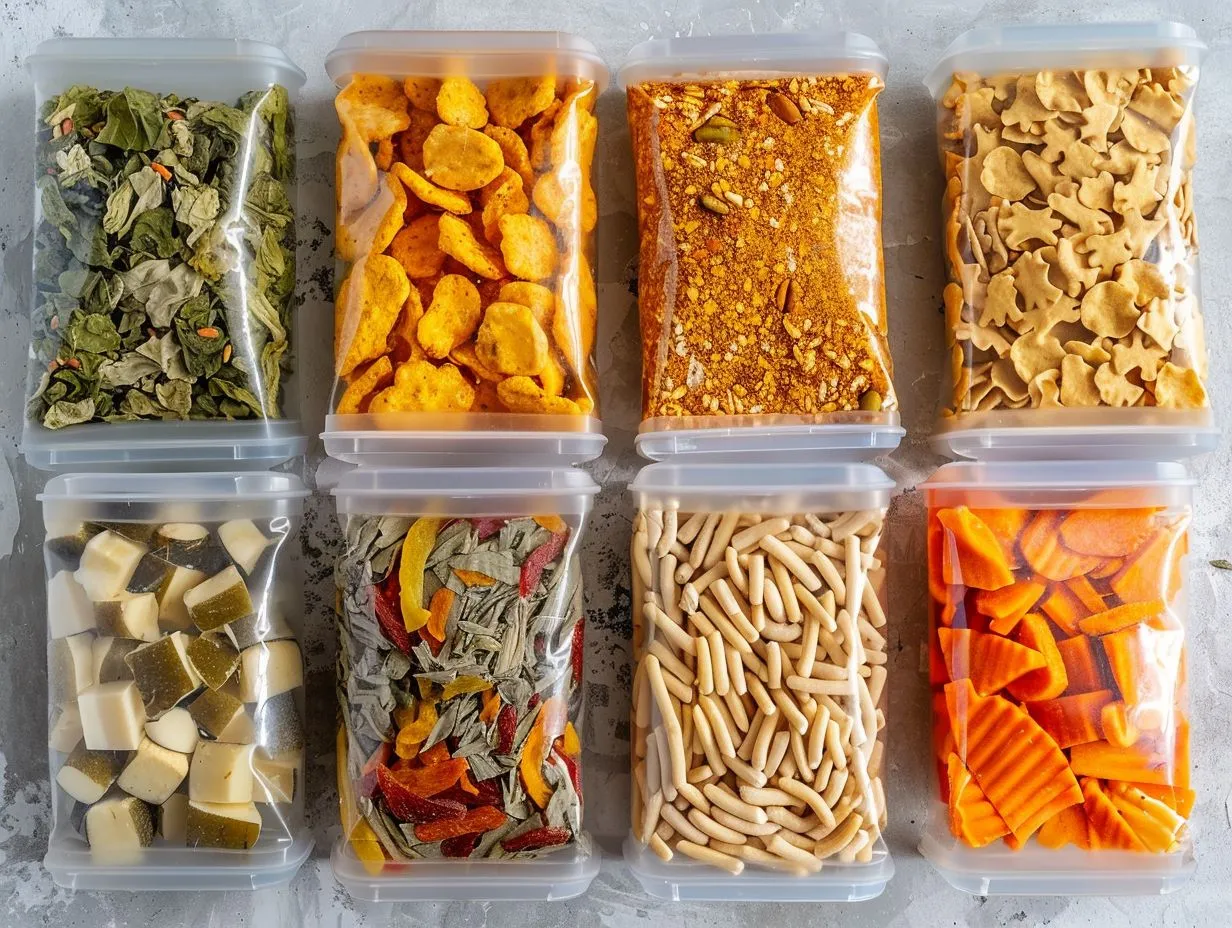
Freeze-dried pouches are convenient but expensive, and making your own is far cheaper if you have the time. Assembling dried pasta, a stock cube, dehydrated veg and a sachet of sauce into a zip-lock bag costs a fraction of a branded pouch and lets you control the portion, the salt and the spice.
The trade-off is effort and, sometimes, weight, since home mixes rarely match the calorie density of a proper freeze-dried meal. For a big trip, many people carry a mix: cheap DIY bags for the ordinary nights and a couple of Firepot or Expedition Foods pouches for the days they know will be brutal. Our full method is in how to make your own camping meals, and it uses the exact same boil-and-wait routine, so you still need a stove and hot water either way.
Whichever route you take, you have to eat it somewhere worth the walk. Browse pitches for your next backpacking trip in the Camping Sites in Britain directory.
Frequently asked questions
How do you cook a freeze-dried camping meal?
Boil water on your stove, open the pouch, pour in the amount of boiling water stated on the pack, stir well, then reseal and leave it for 8 to 10 minutes. Stir again and eat straight from the bag. No pan or plate required.
How many calories should a camping meal have?
Aim for at least 800 calories in a single pouch for a full day of hiking. Check whether the pack is one serving or two, because many meals quote a per-serving figure with two servings inside, giving you half the fuel you expected.
What is the best freeze-dried meal brand in the UK?
Firepot wins on taste and natural ingredients, Expedition Foods on high-calorie options, and Summit to Eat on value. Mountain House is the reliable classic. The best choice depends on whether you prioritise flavour, fuel, price or availability.
Do you need a stove for freeze-dried meals?
Yes, for almost all of them. Freeze-dried and dehydrated pouches need boiling water to rehydrate, so you need a stove and something to boil in. The exception is wet ready meals like Wayfayrer, which are pre-cooked and can be eaten cold.
How long do freeze-dried camping meals last?
Most keep for two to three years unopened when stored cool and dry, and some emergency-grade supplies last far longer. Always check the best-before date on the pouch, and once you add water, eat the meal that day.
Are there vegan and gluten-free camping meals?
Yes. Veggie, vegan and gluten-free pouches are widely available, with Firepot, LYO and Adventure Food offering the strongest plant-based ranges. Always read the allergen information on the individual pouch, as recipes and factory handling vary between brands.
The short version
Freeze-dried meals buy you a hot dinner for almost no weight and no washing up, at a price. Pick Firepot for taste, Expedition Foods for a hard day's calories, Summit to Eat for value, and make your own for the ordinary nights.
Whatever you pack, you still need boiling water, so sort the stove first. Then find somewhere brilliant to pitch up in our guide to campfire cooking essentials.