Back Garden Camping: The Perfect First Trial Run for Kids and Nervous First-Timers
· Updated
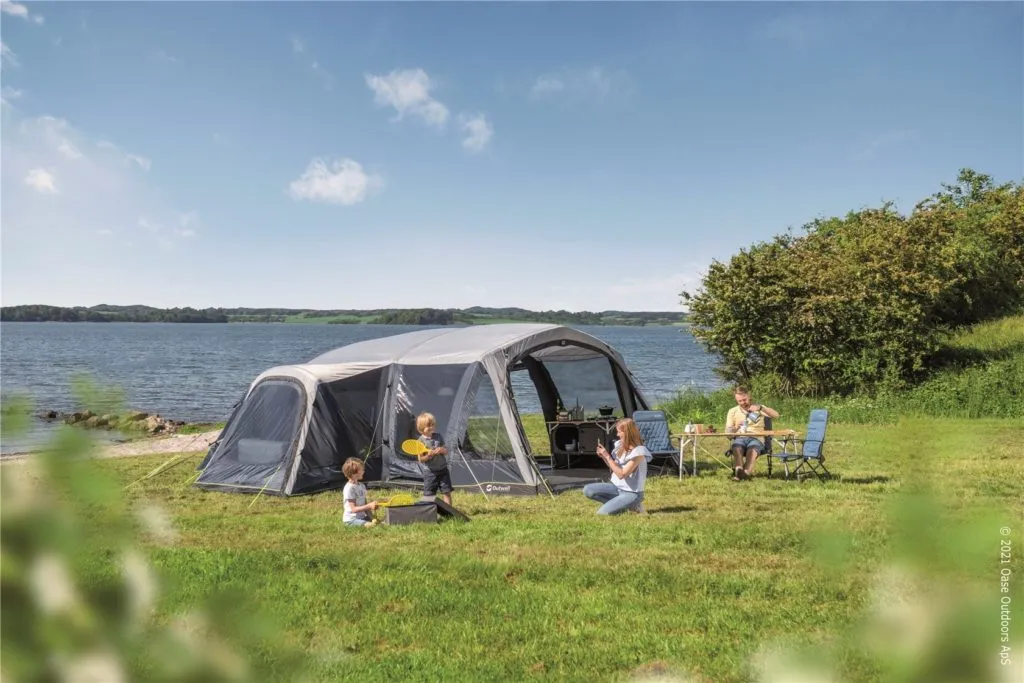
Camping in your back garden is the single best way to try a night under canvas before you book a real trip. You get to test the tent, the sleeping bags and the kids' patience with the front door just a few steps away, so a wobbly first night ends in a warm bed rather than a long drive home at 2am. For a nervous first-timer of any age, that safety net changes everything.
It is also brilliant fun in its own right. A tent on the lawn, torches after dark and a proper cooked breakfast in the morning feel like an adventure to a five-year-old, and the whole thing costs nothing beyond kit you already own. Treat it as a dress rehearsal and you will walk onto your first campsite knowing exactly what you are doing.
This guide is part of our wider advice on child-friendly campsites in the UK, and it comes from Camping Sites in Britain, where you can find and compare family sites, caravan parks and glamping across the country.
Why a back garden campout works so well
It removes almost every risk that puts people off their first trip. Nobody is stranded, nothing is far away, and if it all goes wrong you are indoors in 30 seconds. That single fact lets you and the children relax enough to actually enjoy sleeping in a tent, which is the whole point.
A garden night does three useful jobs at once:
- It tests your kit for real. You find the missing tent peg, the airbed with a slow leak and the torch with flat batteries at home on a Saturday, not on a field in the Lake District on a Friday night.
- It gives an easy escape. Toddlers who wake at midnight, or a parent who cannot face a cold sleeping bag, can slip inside without ending the trip for everyone else. The tent stays up and you carry on in the morning.
- It builds confidence. Once a child has slept a full night in a tent and woken up happy, the idea of doing it at a campsite stops being scary. You have banked a good memory to point back to.
Nervous adults get exactly the same benefit. Plenty of grown-ups have never slept outside, and a garden is a gentle, private place to find out whether you actually like it before spending money on a pitch.
Setting it up
Pitch on the flattest, most sheltered patch of lawn you have, away from the washing line and the trampoline. Grass is kinder than a hard patio, and a spot with a fence or hedge on the windward side will keep the tent calmer if the weather turns. Check there are no dips that will pool water if it rains overnight.
Pitch the tent in daylight the first time, even if you are not sleeping out until later. Learning where the poles go while you can see them, with a cup of tea to hand, is far easier than fighting the instructions by torchlight. Peg it out properly, guy lines and all, because a garden gust hits a tent the same way a field one does.
Here is the short list of what turns a garden night from a novelty into a real practice run:
| What to test | Why it matters |
|---|---|
| The tent, poles and every peg | Missing or bent parts are cheap to replace at home and infuriating on site |
| Sleeping bags and mats or airbeds | You learn whether the kids are warm enough and whether an airbed holds air all night |
| Torches, lanterns and spare batteries | Everyone needs their own light, and flat batteries are the classic first-trip mistake |
| Bedtime routine in a tent | Getting pyjamas on, teeth brushed and everyone settled is the real test with young children |
| Warm layers for the small hours | British nights get cold even in July, and a hat and extra socks are often the difference |
For the full list you will want on a real trip, run through our camping checklist as you pack the garden tent. Anything you forget in the garden is a lesson learned for free.
Making it feel like a proper adventure
The golden rule is simple: once you are out, you stay out. Nipping back inside for the telly or a comfier sofa breaks the spell and teaches the kids that the tent is not really where you sleep. The safety net is there for a genuine wobble at midnight, not for boredom at 8pm, so give the evening a shape that keeps everyone outside and happy.
A few things reliably make a garden night feel like the real thing:
- Torches and head torches. Let the children have their own. Shadow puppets on the tent wall and a torch-lit hunt around the garden fill the gap between dinner and sleep beautifully.
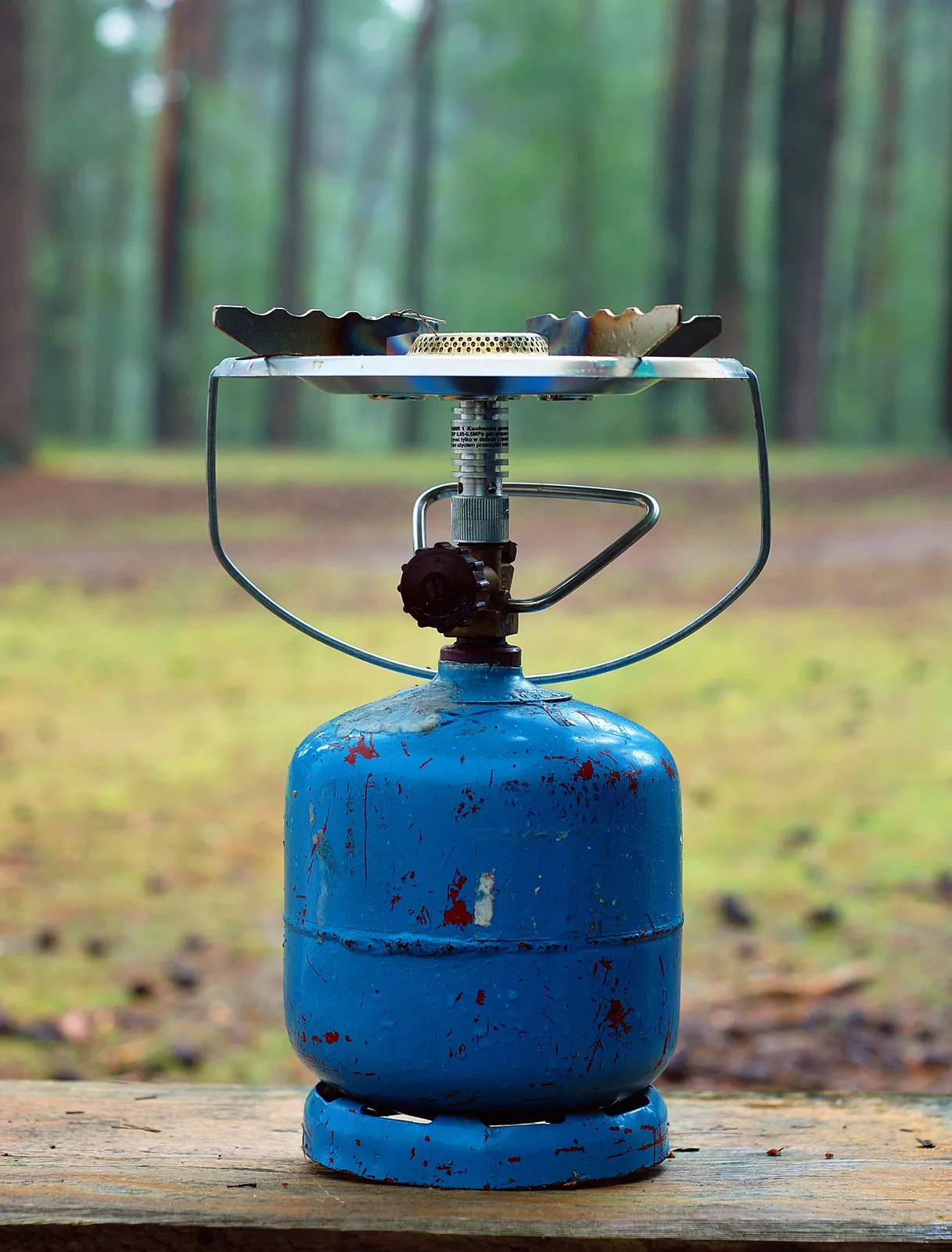
- Cooking outdoors. A barbecue or a camping stove, used by an adult and well away from the tent, makes supper an event. Toasting marshmallows is the classic, and our guide to campfire cooking essentials has plenty more. Only light an actual fire if you have the space and a safe, contained setup, keep a bucket of water beside it, and never leave it unattended.
- Stargazing. Lie back on the mats once it is dark and pick out what you can. Away from a garden light you will find more than you expect, and a stargazing app turns it into a game.
- A proper cooked breakfast. Bacon or eggs in the morning air is the memory most kids take away. It is also good practice for cooking on site.
Games to keep everyone busy
Games are what stop a garden campout fizzling out after an hour. Torch tag, hide and seek in the dusk, a scavenger hunt and card games inside the tent all work brilliantly with nothing more than what is already in the house. Rain is no reason to give up either, and our round-up of campsite games for rainy days is built for exactly the drizzle a British evening tends to serve up.
A garden is a fine classroom too. Our ideas for making a camping trip educational for kids turn pitching the tent and reading the stars into something they learn from, and our wider tips for enjoying the great outdoors with kids apply just as well 10 feet from the back door as they do on Dartmoor.
Using it to prepare for a real campsite
Once a garden night has gone well, you are ready to book somewhere. The garden has already answered the hardest questions, whether the kit works and whether everyone can sleep in a tent, so all that is left is planning the trip itself. Our guide for first-time campers planning their first trip walks you through choosing dates, booking a pitch and packing the car.
Pick an easy site for that first real outing. A small, quiet, well-run family campsite with clean facilities and a short drive home beats a remote spot for a first go, and you can search and compare campsites across Britain in our directory to find one that suits. If you are camping with a very young child, our advice on camping with a baby covers the extras a garden run-through will not have flagged.
If you want a ready-made excuse and some company, the Camping and Caravanning Club runs National Camping and Caravanning Week each year, usually in late spring, encouraging people to get outdoors and even camp in their own gardens. During the 2020 lockdown the club championed a stay-home garden campout, and the idea has stuck as a friendly way to get families under canvas for the first time. You can check the current dates on the Camping and Caravanning Club's National Camping and Caravanning Week page.
Frequently asked questions
Is back garden camping a good idea for young children?
Yes, it is one of the best first camping experiences for children. The house is right there if a toddler wakes upset or gets cold, so the night stays low-stress and ends well, which builds the confidence they need for a real campsite later.
What do I need to camp in my garden?
A tent, sleeping bags, sleeping mats or airbeds, and a torch each is the core kit. Add warm layers for the early hours, a camping stove or barbecue for cooking, and a few games. Use it as a dress rehearsal to spot anything missing before a real trip.
How cold does it get camping in a British garden?
Colder than most people expect, even in summer. Clear nights in July can drop below 10°C, so pack proper sleeping bags, a mat under everyone, and hats and extra socks for the children. Testing this in the garden is exactly why it is so useful.
Can I have a campfire in my back garden?
Only with real caution. A contained fire pit or barbecue on a hard, clear surface, well away from the tent, fences and the house, with a bucket of water beside it and an adult watching it at all times. Check nothing overhangs it, and never leave it burning unattended.
How do I keep the kids interested all evening?
Give the night a shape: torch games and a scavenger hunt after dinner, cooking or toasting marshmallows together, then stargazing before bed. The key rule is that once you are out, you stay out, so nobody drifts back to the sofa and the telly.
The short version
Pitch the tent in daylight, test every bit of kit, stay outside once you are out, and keep the evening full of torches, food and games. A garden night takes the fear out of that first real trip and usually turns into a favourite memory of its own.
When you are ready to do it for real, browse child-friendly campsites in the UK or search the full directory of campsites across Britain and book somewhere gentle for your first proper adventure.