Hiking in the Scottish Highlands: Routes, Access and Safety.
· Updated
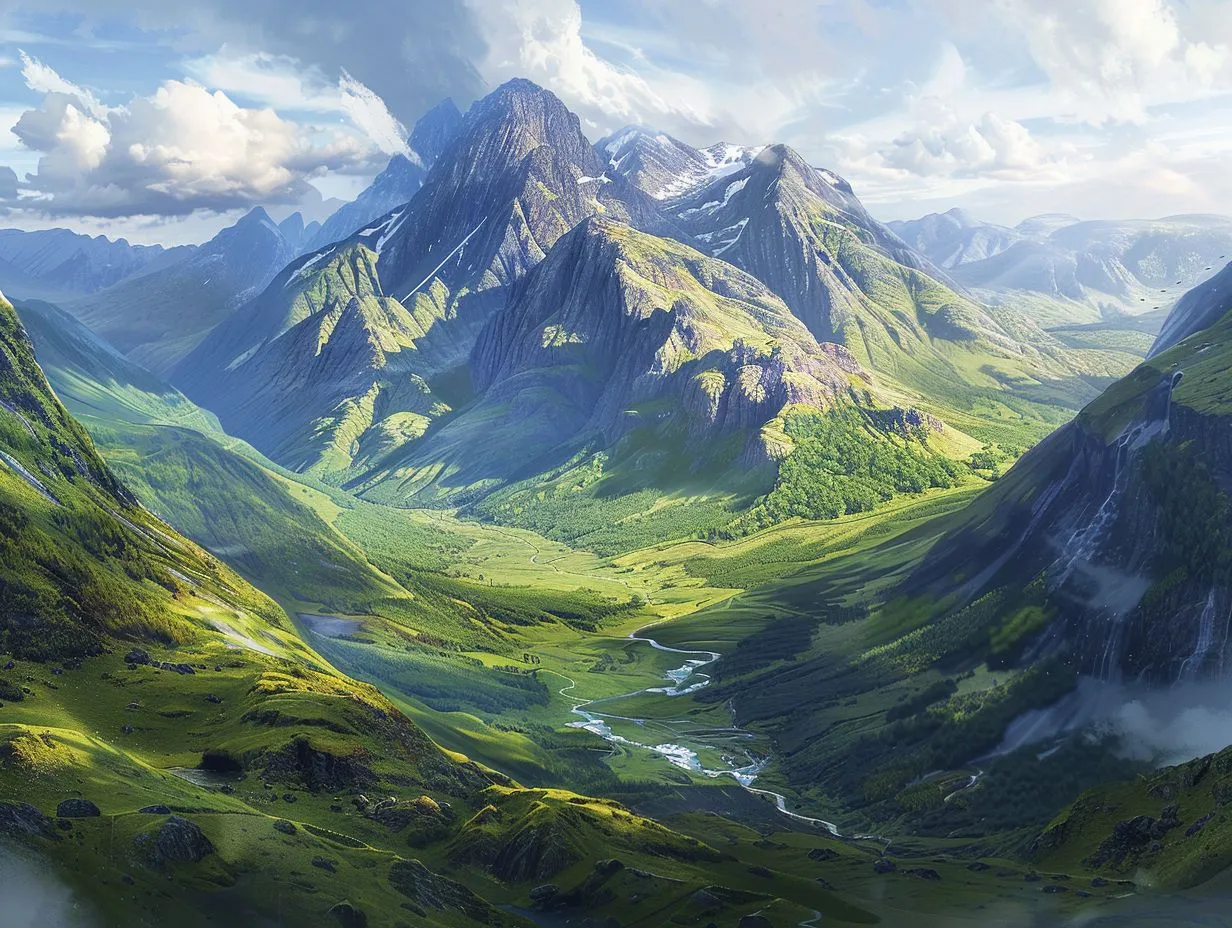
The Scottish Highlands are Britain's finest walking country, and you can go almost anywhere on foot thanks to a legal right of access. Glen Coe, Glen Nevis, Torridon and the Cairngorms hold the country's biggest mountains, its wildest glens and its best long-distance trails. The three things that catch people out are the weather, the midges and the sheer remoteness, so this guide is built around walking here safely and getting the most out of it.
This is part of our wider guide to camping along the UK's national trails, and it sits alongside the campsite listings on Camping Sites in Britain. Whether you fancy a first Munro or a week on the West Highland Way, the Highlands reward a bit of planning.
Start with the honest bit. Highland weather is serious even in July, phone signal is patchy across most of the hills, and rescue can be hours away. Get the route, the kit and the timing right and you will have a brilliant trip.
Iconic Highland walking areas and routes
A handful of areas hold most of the classic Highland walks, and each has a different character. Pick the one that matches your fitness and your appetite for exposure, then build from there.
- Glen Coe: Scotland's most dramatic glen, ringed by serious peaks. Buachaille Etive Mor guards the eastern entrance, and the Lost Valley (Coire Gabhail) is a hidden hanging valley reached by a rough two to three hour there-and-back walk, once used by the MacDonalds to hide stolen cattle.
- Glen Nevis: the deep glen below Ben Nevis, the highest mountain in the UK at 1,345 metres. The glen itself offers gentler riverside and gorge walks if you are not tackling the summit.
- Torridon: ancient sandstone giants such as Liathach and Beinn Eighe in the north-west, remote and rugged, best kept for confident hillwalkers.
- The Cairngorms: the biggest area of high ground in Britain, a sub-arctic plateau within the Cairngorms National Park. Aviemore is the natural base for walks of every level.
For long-distance walking, two waymarked routes stand out. The West Highland Way runs 96 miles (154 kilometres) from Milngavie on the edge of Glasgow to Fort William, and it is Scotland's most popular long-distance path, typically walked over seven or eight days. The Great Glen Way follows the geological fault line between Fort William and Inverness for roughly 79 miles, much of it along the Caledonian Canal and Loch Ness, and it is a gentler proposition underfoot.
Access rights and the law
You have a legal right to walk and to wild camp responsibly across most of the Scottish Highlands. The Land Reform (Scotland) Act 2003 established statutory access rights over most land and inland water, and the Scottish Outdoor Access Code sets out how to exercise them responsibly. In practice you can walk the hills, glens and lochsides freely as long as you keep away from houses, avoid crops and growing fields, control any dogs and take all your litter home.
Wild camping is part of that right, which is unusual in the UK and one of the great things about walking here. The main exception is the camping management zones around Loch Lomond and the Trossachs, where a permit or a booked campsite pitch is required between 1 March and 30 September. Everywhere else, camp in small groups, stay a night or two in one spot, pitch away from roads and buildings, and leave no trace. Full detail is on the official code (outdooraccess-scotland.scot).
The midges
The Highland midge (Culicoides impunctatus) is the single biggest nuisance on a summer walk, and it is worth planning around. Midges swarm from roughly late May through to September, at their absolute worst from June to August, and they bite hardest at dawn and dusk, in still, damp, overcast conditions. A stiff breeze or bright sun keeps them down.
Carry a midge head net, it weighs nothing and saves your sanity around camp, and pack a repellent. Many walkers swear by Smidge or products containing DEET. Camp on higher, breezier ground rather than in sheltered damp hollows, and keep the tent zipped. If midges bother you badly, the shoulder seasons of April, May and late September are quieter.
Weather and navigation
Highland weather changes fast and can turn dangerous in any month, so treat every hill day as serious. Summer summits see snow, hill fog rolls in without warning, and wind chill on an exposed ridge can drop the felt temperature well below freezing even in June. Check the Mountain Weather Information Service (MWIS) forecast for the specific area the night before and again on the morning you set out.
Phone-based mapping fails when the battery dies or signal drops, so carry a paper Ordnance Survey map (1:50,000 Landranger or 1:25,000 Explorer) and a compass, and know how to use them. Navigation in cloud on a featureless plateau such as the Cairngorms is a genuine skill. Pack full waterproofs, warm layers, spare food, a head torch, a whistle and a first aid kit on any hill walk, whatever the forecast says. For more on planning ahead, read our advice on mountain safety.
Munro bagging
A Munro is a Scottish mountain over 3,000 feet (914 metres), and there are 282 of them, most in the Highlands. Working through the list, known as Munro bagging, is a lifelong pursuit for many hillwalkers and a brilliant way to get to know the country. Ben Nevis, Ben Lomond and the Glen Coe peaks are popular first summits.
Do not underestimate them. Even the easier Munros involve long ascents, rough ground and real exposure to weather. If you are just getting into hill walking, start with our beginner's guide to Munros, then build up your fitness and navigation before the harder, more remote peaks.
Deer stalking season
Red deer stalking runs on many Highland estates roughly from July to October, and during that window some routes onto the open hill may be affected. Access rights still apply, but the responsible thing is to check before you head out so you do not disturb a stalk or put yourself in the way of it. The Heading for the Scottish Hills service, run by NatureScot and estates, lets you check stalking activity for specific areas and find contact numbers. A quick look can save a wasted walk-in and keeps relations with estates friendly.
Camping and bases
Four towns make natural bases for a Highland walking trip, each with campsites, shops and easy access to the hills.
| Base | Best for |
|---|---|
| Fort William | Ben Nevis, Glen Nevis, the end of the West Highland Way and the start of the Great Glen Way |
| Aviemore | The Cairngorms plateau, gentler forest and riverside walks, family trips |
| Glencoe | Buachaille Etive Mor, the Lost Valley and the surrounding Munros |
| Torridon | The remote north-west peaks, quiet glens and coastal walks |
You can wild camp responsibly across most of the area, but a serviced pitch with a hot shower is welcome after a long day. Browse campsites in the region through our Highlands campsite listings. If you fancy trading the mainland for the sea cliffs and ridges of Skye, Harris or Jura, see our guide to backpacking in the Scottish Isles.
Safety
In an emergency in the Scottish hills, dial 999 or 112, ask for the police and then Mountain Rescue. If you have no voice signal, you may still be able to send an emergency text once you have registered with the service (text 999). Always leave your route and expected return time with someone before you set off, and give them a call-out time so they know when to raise the alarm.
Turn back if the weather closes in or you are moving too slowly to finish in daylight. The mountain will still be there next time. Knowing your limits is the mark of an experienced walker, not a timid one.
Frequently asked questions
Do you need a permit to hike in the Scottish Highlands?
No permit is needed to walk in the Highlands. The Land Reform (Scotland) Act 2003 gives a right of responsible access over most land. A permit is only required to wild camp in the Loch Lomond and the Trossachs management zones between 1 March and 30 September.
How long is the West Highland Way?
The West Highland Way is 96 miles (154 kilometres) from Milngavie near Glasgow to Fort William. Most walkers complete it over seven or eight days, and it is Scotland's most popular long-distance route.
When are midges worst in the Highlands?
Highland midges are worst from June to August, and they bite hardest at dawn and dusk in still, damp, overcast weather. Carry a head net and repellent, and camp on higher, breezier ground. April, May and late September are noticeably quieter.
Is it safe to hike in the Highlands in summer?
Summer is the most popular time, but the weather is still serious. Summits can see snow, cloud and cold winds in any month. Check the Mountain Weather Information Service forecast, carry a map and compass, and pack warm and waterproof layers whatever the outlook.
Can you wild camp in the Scottish Highlands?
Yes. Wild camping is part of the statutory right of access under the Scottish Outdoor Access Code across most of the Highlands. Camp in small groups, stay away from roads and houses, keep to a night or two in one place, and leave no trace. Loch Lomond permit zones are the main exception.
What should I do about deer stalking season?
Red deer stalking runs roughly from July to October on many estates. Your access rights still apply, but check activity in your area first using the Heading for the Scottish Hills service so you avoid disturbing a stalk.
The short version
The Highlands give you a legal right to walk and wild camp almost anywhere, world-class routes from the West Highland Way to the Cairngorm plateau, and weather that demands respect in every month. Plan the route, watch the forecast, pack for the worst and carry a midge net. When you are ready to pitch up, start with our guide to camping along the UK's national trails or browse the Highlands campsite listings.