Climbing Munros: a beginner's guide to Scotland's mountains
· Updated
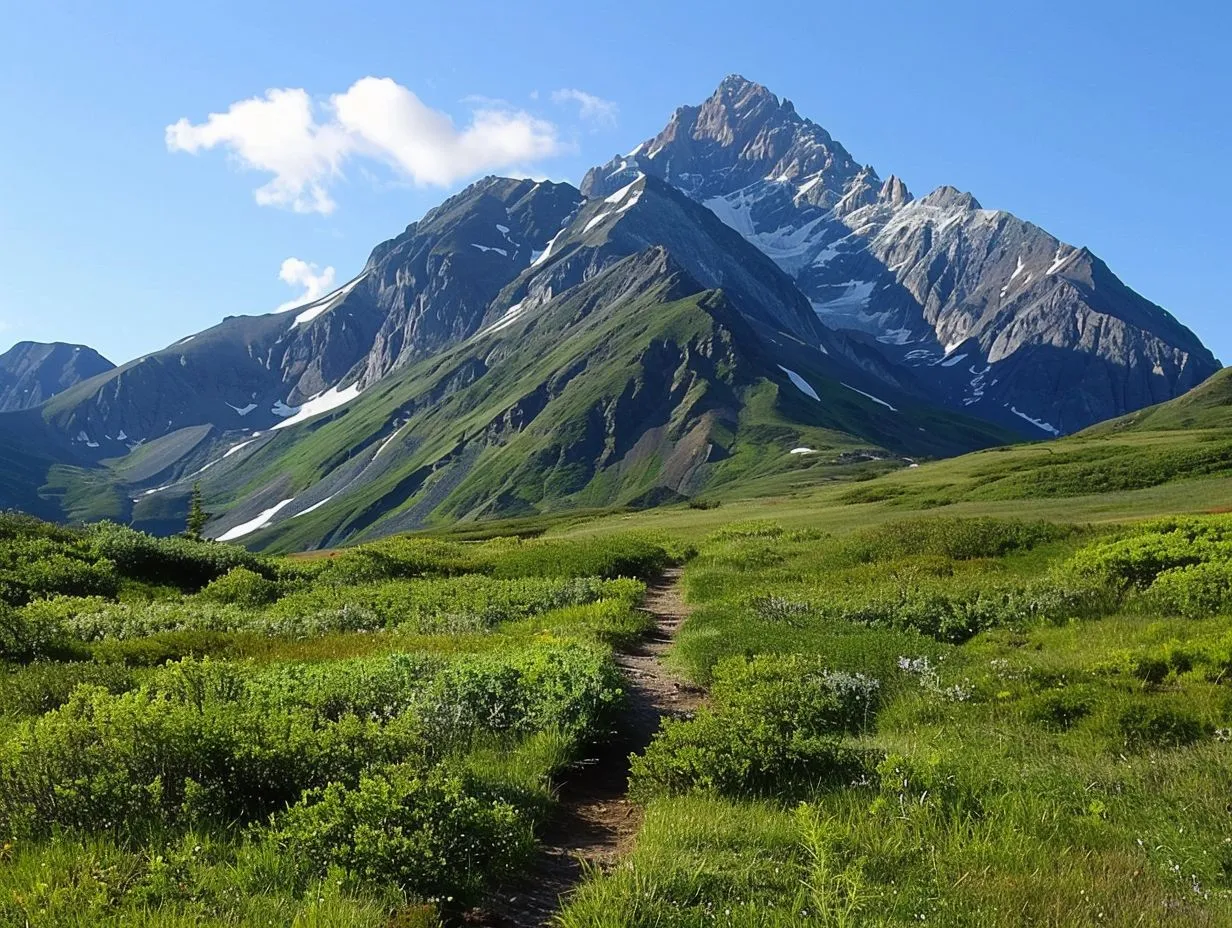
A Munro is a Scottish mountain over 3,000 feet (914.4m), and there are 282 of them. They are named after Sir Hugh Munro, who first tabulated them for the Scottish Mountaineering Club in 1891. Ticking them off is called Munro bagging, and anyone who completes all 282 becomes a Munroist, or in the old spelling a Compleatist.
You do not need to be a mountaineer to bag your first one. Several Munros have clear paths, sensible drives to the start and a summit you can reach and return from in a single summer day. This guide names five of the best for beginners, then covers the weather, kit, navigation and safety that turn a good day out into a safe one.
It comes from Camping Sites in Britain, and sits alongside our guide to camping along the UK's national trails, which is a gentler place to start if a 3,000 foot summit feels like a lot for a first outing.
What counts as a Munro
A Munro is any separate Scottish mountain of at least 3,000 feet, which is 914.4m in metric. The list of 282 is maintained by the Scottish Mountaineering Club and is revised occasionally as surveys refine the heights, so the exact total has shifted by one or two over the years. Hills over 2,500 feet that fall short of Munro status are Corbetts, and the tier below those are Grahams.
Ben Nevis, at 1,345m, is both the highest Munro and the highest mountain in the British Isles. It is not a beginner's Munro, so leave it for later. The peaks below are shorter, better pathed and far more forgiving of a first attempt.
Five good Munros for beginners
The best first Munros share three things: a well-made path, a short drive from a city or main road, and no scrambling or exposure on the normal route. These five fit the bill.
| Munro | Height | Area | Why it suits beginners |
|---|---|---|---|
| Ben Lomond | 974m | Loch Lomond, near Glasgow | The most southerly Munro and one of the most popular, with a broad, well-built tourist path from Rowardennan |
| Schiehallion | 1,083m | Perthshire | A shapely, isolated cone with a rebuilt stone path most of the way up |
| Ben Vorlich | 985m | Loch Earn | A clear path from Ardvorlich and a straightforward there-and-back ridge |
| Mount Keen | 939m | Angus and Aberdeenshire border | The most easterly Munro, reached on gentle old drove tracks with little steep ground |
| Cairn Gorm | 1,245m | Cairngorms | A short ascent from the Coire Cas ski centre, though the plateau is exposed and demands respect |
Ben Lomond
Ben Lomond (974m) is the Munro most first-timers choose, and for good reason. It sits on the east shore of Loch Lomond, about an hour's drive from Glasgow, and the tourist path from Rowardennan climbs steadily to the summit with the loch spread out below you. Reckon on roughly 12km there and back and five to six hours at a walking pace, with one steeper pull near the top.
Schiehallion
Schiehallion (1,083m) rises as a lone cone above Loch Rannoch in Perthshire, which makes it look far harder than it walks. The John Muir Trust rebuilt the lower path in stone, so the route is clear and dry underfoot for most of the climb, though the final boulder field needs care. It is around 10km round and about five hours.
Ben Vorlich and Mount Keen
Ben Vorlich (985m) above Loch Earn gives you a clean path from Ardvorlich and a simple out-and-back to a fine summit, roughly 11km and five hours. Mount Keen (939m) is the most easterly Munro and one of the gentlest underfoot, following old drove roads through Glen Tanar or Glen Esk. The approach is long rather than steep, so it rewards steady legs more than raw fitness.
Cairn Gorm
Cairn Gorm (1,245m) is the highest on this list and the one to treat with the most caution. The walk from the Coire Cas ski centre car park is short, which tempts people onto it underprepared, but the summit plateau is high, featureless and brutally exposed when the weather turns. Pick a settled, clear day and it is a brilliant introduction to the Cairngorms.
Your right to be there: the Scottish Outdoor Access Code
Scotland gives you a legal right of responsible access to most land and inland water, which is why Munro bagging is so open here. That right comes from the Land Reform (Scotland) Act 2003 and is set out in the Scottish Outdoor Access Code. In short, you can walk, climb and wild camp across the hills as long as you act responsibly.
Responsibly means taking your litter home, keeping dogs under control around livestock and ground-nesting birds, avoiding damage to fences and walls, and giving farms and homes a wide berth. During the stalking season, roughly July to late October on many estates, check for signage and use resources such as Heading for the Scottish Hills so you do not walk into a deer cull. The right to roam is generous, so treat it well.
Mountain weather is the real challenge
Scottish mountain weather is notorious for changing fast, and it is the single biggest reason days go wrong. A calm car park can sit below cloud that is being raked by 40mph wind and horizontal rain 900m higher up, and summer summits can drop close to freezing. Always check a mountain-specific forecast, not the town forecast, before you set off.
The Mountain Weather Information Service (MWIS) is the standard tool, giving free daily forecasts for each Scottish hill area with wind speed on the tops, cloud levels and the chance of cloud-free summits. If MWIS shows gale-force wind, near-zero visibility or heavy rain, choose a lower walk instead. The mountain will still be there next weekend.
Navigation and kit
Carry a map and compass and know how to use them, because Munro paths fade, split or vanish under cloud more often than beginners expect. A phone with a mapping app such as OS Maps or Walkhighlands is a brilliant backup, but a phone runs out of battery and drops signal, so it never replaces a paper Ordnance Survey map and a compass you can actually navigate with.
Your day pack for a summer Munro should cover you if the weather turns:
- Sturdy boots with ankle support and grip for wet rock and bog
- Waterproof jacket and trousers, plus warm layers even in July
- Hat and gloves, because summit windchill bites all year
- Map, compass and a charged phone with offline maps loaded
- Food and at least one litre of water, with extra snacks
- Head torch, small first aid kit and an emergency shelter or survival bag
- Fully charged power bank so your backup map keeps working
Leave winter to the experienced
Scottish winter conditions are proper mountaineering, not walking, and they are no place to learn on your own. From roughly November to April the hills carry snow and ice, paths disappear, cornices overhang the edges and slopes turn to firm neve that will not stop a slip. Safe winter travel needs an ice axe, crampons and the trained skill to use both, which takes a course to acquire.
As a beginner, stick to the snow-free season, generally May to September, and build your experience there first. If winter Munros appeal later, book a skills course or hire a qualified guide before you go anywhere near a frozen summit.
Fitness, pacing and turning back
A Munro asks for stamina more than speed, so pace yourself from the car park. Most beginner Munros involve five to seven hours of walking and 800m to 1,000m of ascent, which is a serious day if you rarely walk hills. Build up on smaller walks first, eat and drink little and often, and slow to a rhythm you can hold all the way up.
Set a turnaround time before you start, and honour it. If you are behind schedule, the cloud has dropped or someone in the group is struggling, turning back is the strong decision, not the weak one. Our guide to hiking in the Scottish Highlands goes deeper on pacing and route choice, and our guide to mountain safety covers judgement calls in more detail.
Staying safe in the hills
Before you leave, tell someone your route and your expected return time, and let them know when you are safely down. Carry the kit above, keep an eye on the weather all day, and stay together as a group rather than letting faster walkers push ahead out of sight.
If something goes wrong and you need help, dial 999 or 112, ask for the police and then ask for Mountain Rescue. Give your location as accurately as you can, using a grid reference or a what3words position if you have it. Scottish Mountain Rescue teams are volunteers and their service is free, so never hold off calling because you are worried about the cost.
Munros or an easier UK peak first?
Every Munro is a Scottish 3,000 foot mountain, so even the friendly ones are a bigger day than many beginner hills elsewhere in Britain. If a full Munro feels like too much for a first outing, our guide to beginner-friendly mountain hikes in the UK covers gentler summits in England and Wales that make a good stepping stone before you head north of the border.
When you are ready for the Munros, base yourself somewhere central and go from there. You will find campsites, caravan parks and glamping across the region in our Scottish Highlands directory, which puts you within striking distance of the start of a walk.
Frequently asked questions
How many Munros are there?
There are 282 Munros, Scottish mountains of at least 3,000 feet (914.4m). The list is kept by the Scottish Mountaineering Club and has changed by one or two over the years as surveys refine the heights.
What is the easiest Munro for a beginner?
Ben Lomond (974m) near Glasgow is the usual first choice, thanks to its broad, well-built tourist path and short drive from the city. Schiehallion, Ben Vorlich, Mount Keen and Cairn Gorm are also good beginner options.
How long does it take to climb a Munro?
Most beginner-friendly Munros take five to seven hours there and back, covering 10km to 12km with 800m to 1,000m of ascent. Your pace, fitness and the weather all affect the time, so start early and never rush.
What is Munro bagging?
Munro bagging is the popular pursuit of climbing Scotland's Munros and ticking each one off a list. Anyone who reaches the summit of all 282 becomes a Munroist, sometimes spelled Compleatist in the tradition of the Scottish Mountaineering Club.
Do I need special gear to climb a Munro in summer?
In summer you need sturdy boots, full waterproofs, warm layers, a map and compass, food, water and an emergency shelter. Winter Munros are different, needing an ice axe, crampons and trained skills, so beginners should stick to the snow-free months.
What do I do in a mountain emergency?
Dial 999 or 112, ask for the police, then ask for Mountain Rescue. Give your grid reference or what3words location. Scottish Mountain Rescue teams are volunteers and free, so call without hesitating if you are in trouble.
The short version
Start with a friendly Munro like Ben Lomond or Schiehallion, pick a settled day, check MWIS before you go, and carry the kit to cope if the weather turns. Leave winter and Ben Nevis until you have miles under your boots.
Sort your base first and the walking gets easier. Browse sites in our Scottish Highlands directory, then pick your first summit and pitch up.