Best Beaches in Essex for Campers: Frinton, Mersea and the Sunshine Coast
· Updated
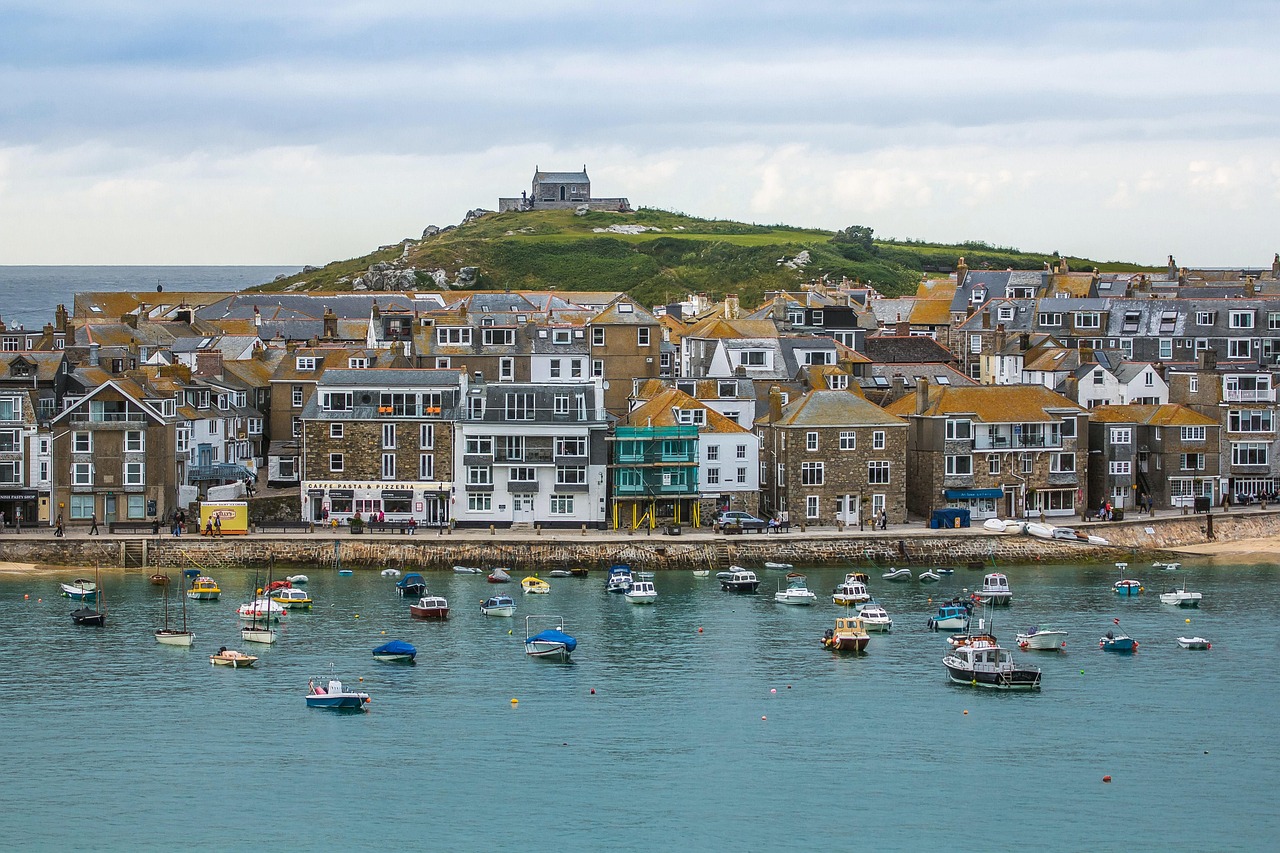
The best beaches in Essex sit along two very different stretches: the Tendring Sunshine Coast in the north east, where Frinton, Walton-on-the-Naze, Dovercourt, Clacton and Brightlingsea line up in a row, and the Thames Estuary in the south, where Southend runs its record-breaking pier out into the water. Add Mersea Island in the middle, reached by a causeway that floods twice a day, and you have a coast that rewards campers who read a tide table.
Essex has more coastline than any other English county once you count every creek, saltmarsh and estuary, so the sand is only half the story. This guide names the beaches worth pitching near, what each one is known for, and the tides and wildlife you need to plan around. It is part of our guide to coastal camping in the UK, from Camping Sites in Britain, where you can find and compare campsites, caravan parks and glamping across the country.
Essex beaches at a glance
The Tendring coast holds most of the county's award beaches, while Southend and Mersea cover the estuary end. This table sorts the pick of them by what they do best.
| Beach | Nearest town | Known for | Sand or shingle |
|---|---|---|---|
| Frinton-on-Sea | Frinton | Genteel, no arcades, Victorian beach huts | Sand |
| Walton-on-the-Naze | Walton | Fossils, sharks' teeth, the Naze cliffs, a pier | Sand |
| Dovercourt Bay | Harwich | Blue Flag, the twin leading lights, boating lake | Sand |
| Clacton-on-Sea | Clacton | Pier, arcades, classic bucket-and-spade resort | Sand |
| Brightlingsea | Brightlingsea | Blue Flag, sailing, sheltered creek | Sand and shingle |
| West Mersea | Mersea Island | Oysters, beach huts, tidal Strood causeway | Sand and shingle |
| Jaywick Sands | Clacton | Wide quiet sand, calmer than Clacton | Sand |
| Holland-on-Sea | Clacton | Refurbished promenade, quieter walking | Sand |
| Southend Three Shells | Southend | Lagoon, family beach, the world's longest pier | Sand |
| Shoeburyness East | Southend | Blue Flag, kite and windsurfing | Sand |
The Tendring Sunshine Coast
Tendring holds the strongest run of beaches in Essex, and several of them fly a Blue Flag each summer. Seven Tendring beaches earned Blue Flag or Seaside Award status for the 2025 season, which puts the district among the best-rated stretches of coast in the east of England (Tendring District Council). Here is how the main ones differ.
Frinton-on-Sea
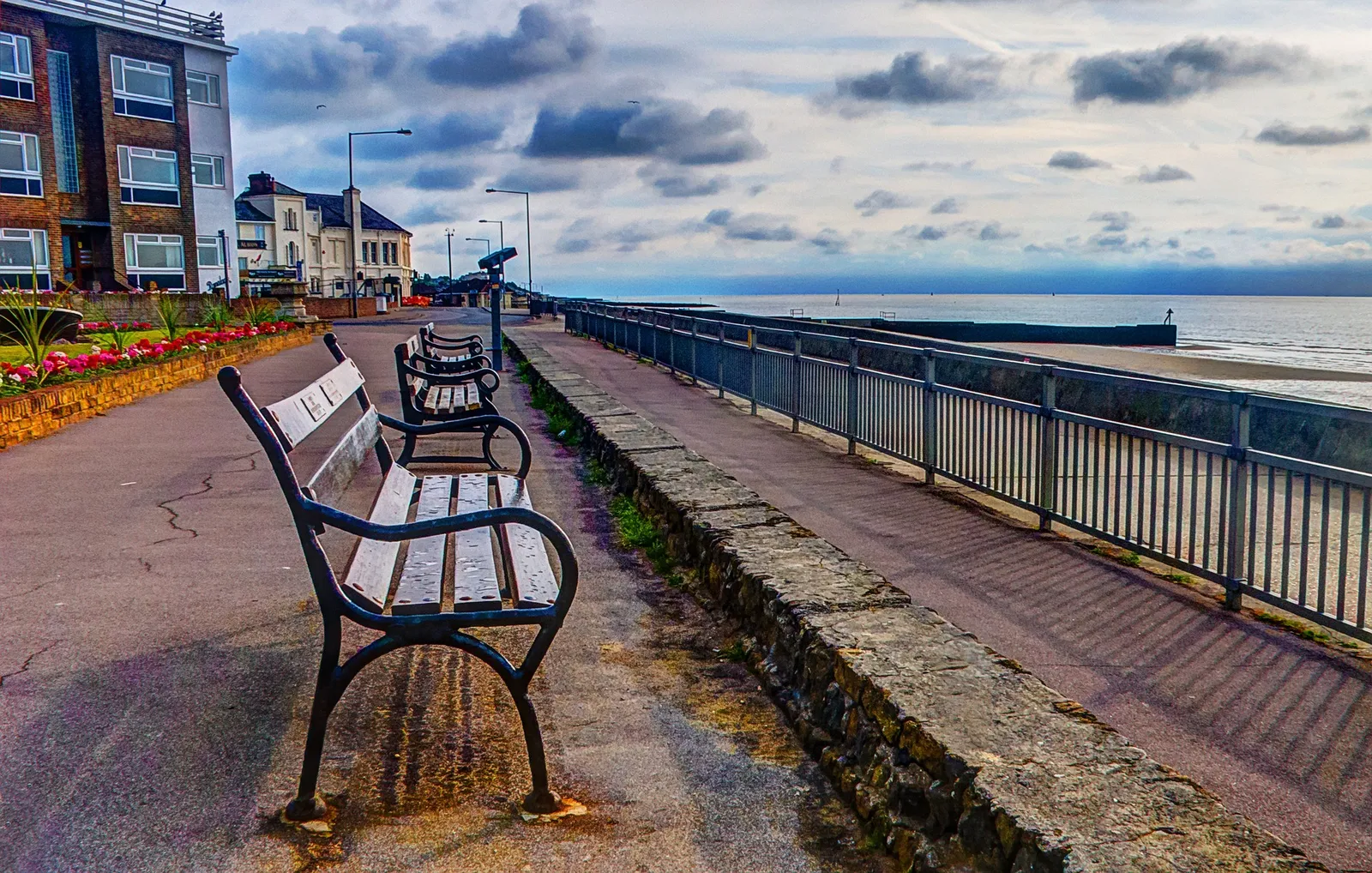
Frinton is the quiet one, and proud of it. There are no amusement arcades, no pier and, until recently, famously no pub on the seafront side of the railway gates. What you get instead is a long clean sweep of sand backed by the Greensward, a wide grass clifftop, and rows of Victorian and Edwardian beach huts that change hands for thousands of pounds. Come here for calm swimming and space, not for a fairground.
Walton-on-the-Naze
Walton pairs a proper sandy resort beach with the best fossil hunting in the county. The Naze cliffs just north of the town cut through Red Crag and London Clay, and the beach below them turns up sharks' teeth, shells and the occasional shark vertebra, especially after a fresh cliff fall or a winter storm (Discovering Fossils). The cliffs are crumbling fast, so collect from the foreshore rather than digging into the face. If fossils are the draw, read our guide to the best campsites for fossil hunting before you go.
Dovercourt Bay
Dovercourt, next to Harwich, is the reliable family Blue Flag beach: gently shelving sand, a boating lake and a paddling pool behind the promenade. Its landmark is the pair of cast-iron leading lights built in 1863, once used to guide ships into Harwich harbour and now a scheduled monument standing out on the foreshore. They are a good excuse to time a walk with the tide, and they fit neatly into our guide to Britain's lighthouses for campers.
Clacton-on-Sea
Clacton is the classic Essex seaside resort, all pier, arcades, fish and chips and golden sand. The pier opened in 1871 and still runs the fairground rides and amusements that make it a dependable rainy-afternoon option with children. The main beach is patrolled by lifeguards in summer, and Jaywick Sands and Holland-on-Sea sit either side for when you want the same sand with fewer people.
Brightlingsea
Brightlingsea gives you a Blue Flag beach with a sailing town attached. Sheltered by the creek and the Colne estuary, its water is calmer than the open-coast beaches, which suits dinghy sailing, windsurfing and paddling. Colourful beach huts line the promenade, and the town's shipbuilding and oyster history runs deep. It is the pick if you want a working waterfront rather than a fairground.
Mersea Island and the Essex estuaries
West Mersea is the standout estuary beach, and getting there is part of the trip. Mersea Island is joined to the mainland by the Strood, a low causeway that floods around every high tide, cutting the island off for an hour or more twice a day (check local tide times before you travel). Time it wrong and you either wait it out or risk a stall in salt water, so plan your arrival and departure around the tables.
The reward is one of the best small seaside stops in Essex. West Mersea is famous for its oysters, farmed in these creeks since Roman times and still sold straight from the beach huts and shacks by the water. The beach itself is sand and shingle with a line of pastel huts, and the surrounding saltmarsh and mudflats are a magnet for wading birds. It makes a proper day: a walk, a swim, a plate of oysters and a boat trip out into the Blackwater.
The wider Essex coast is estuary country rather than surf. The Blackwater, Colne, Crouch and Stour cut deep inland, which is why the wildlife is so good but also why so much of the "beach" is mud at low tide. For walkers, the sea walls and the England Coast Path thread the whole lot together, covered in our guide to Britain's coastal pathways.
Southend and the Thames Estuary
Southend-on-Sea anchors the southern beaches, and its pier is the headline act. Southend Pier stretches 1.34 miles out across the estuary mud, which makes it the longest pleasure pier in the world, with its own electric railway to carry you to the end and back (Southend Pier). The town's Three Shells Beach has a tidal lagoon that holds water when the sea goes out, so children can paddle even at low tide, and Adventure Island sits right beside the pier for the fairground crowd.
A few miles east, Shoeburyness East Beach flies a Blue Flag and draws the kite surfers and windsurfers, with more sand and fewer crowds than the seafront. The Thames Estuary here has a huge tidal range and vast mudflats, so the same tide-table rule applies: the water can be a long way out, and it comes back quickly across flat ground.
Tides, mud and estuary safety
Reading the tide is the single most important skill on the Essex coast. The estuaries have a large tidal range and flat, soft mud that fills fast on an incoming tide, and people are cut off on sandbanks and causeways here every year. The Strood at Mersea is the obvious trap, but any of the estuary flats can catch you out if you wander far at low water.
- Check tide times for the exact beach before you set out, and note when the tide turns.
- Never walk out onto estuary mud or sandbanks with the tide coming in.
- Cross the Strood causeway with plenty of margin, not in the hour either side of high water.
- Keep to marked beaches and sea walls, and follow the RNLI advice to float to live if you are caught in cold water.
- In an emergency on the coast, call 999 and ask for the Coastguard.
Wildlife on the Essex coast
Essex is one of the best counties in England for coastal birds, largely because of all that mud. The saltmarshes and estuary flats feed tens of thousands of overwintering waders and wildfowl: dark-bellied brent geese arrive from the Arctic in autumn, avocets breed on the reserves, and curlew, redshank and knot work the tideline. Common seals and grey seals haul out on the sandbanks off Mersea and in the Blackwater.
The Naze at Walton is a nature reserve as well as a fossil site, and Two Tree Island near Southend, Abberton Reservoir and the RSPB reserves around the Blackwater are all easy day trips from a coastal pitch. Bring binoculars between October and March and you will not be short of things to point them at.
Where to camp near the Essex coast
Most coastal camping in Essex clusters around the Tendring beaches and Mersea Island, with holiday parks and touring sites within a short drive of Clacton, Walton, Dovercourt and West Mersea. Pitching inland by a few miles usually buys you a quieter night and a cheaper pitch while keeping the beach within easy reach.
Browse and compare sites on our directory of campsites across Britain, and for coast-specific know-how see our tips for a safe and enjoyable stay by the sea in Britain's seaside towns. If you are touring the wider east coast, the neighbouring beaches in our guide to Suffolk's seaside pick up where Essex leaves off at the Stour.
Frequently asked questions
What is the best beach in Essex?
For families, Dovercourt Bay and Southend's Three Shells are the safest bets, both with lifeguarded sand and calm water. For quiet, choose Frinton. For fossils, choose Walton-on-the-Naze. For a day out with food, West Mersea and its oysters are hard to beat.
Are there Blue Flag beaches in Essex?
Yes. The Tendring Sunshine Coast flew seven Blue Flag or Seaside Award beaches for the 2025 season, including Dovercourt Bay and Brightlingsea, and Shoeburyness East near Southend holds a Blue Flag too. Awards are reviewed each year, so check the current list before you travel.
Can you find fossils on Essex beaches?
Yes, best of all at Walton-on-the-Naze. The crumbling Naze cliffs shed sharks' teeth, shells and fossils from the Red Crag and London Clay onto the foreshore, especially after storms. Collect loose material from the beach rather than digging the cliff face, which is unstable.
Is Southend Pier really the longest in the world?
Yes. Southend Pier runs 1.34 miles into the Thames Estuary, making it the longest pleasure pier in the world. A small electric railway carries visitors along its length, so you do not have to walk both ways.
When does the Mersea Island causeway flood?
The Strood causeway floods around every high tide, roughly twice a day, and can be impassable for an hour or more. Check the West Mersea tide times before you drive over and avoid crossing in the hour either side of high water.
Can you camp on the beach in Essex?
No, wild camping on Essex beaches is not a legal right and needs the landowner's permission. Pitch instead at a licensed campsite or holiday park near the coast, of which there are plenty around Tendring and Mersea Island.
The short version
Essex packs its best beaches into two ends: the Tendring Sunshine Coast, with Frinton, Walton, Dovercourt, Clacton and Brightlingsea, and the estuary at Southend, home to the world's longest pier. Mersea sits in between with its oysters and its tidal causeway. Read the tide table, bring binoculars for the wildlife, and you have a brilliant coast for a camping trip. Start with our guide to coastal camping in the UK or find a pitch on our campsite directory.