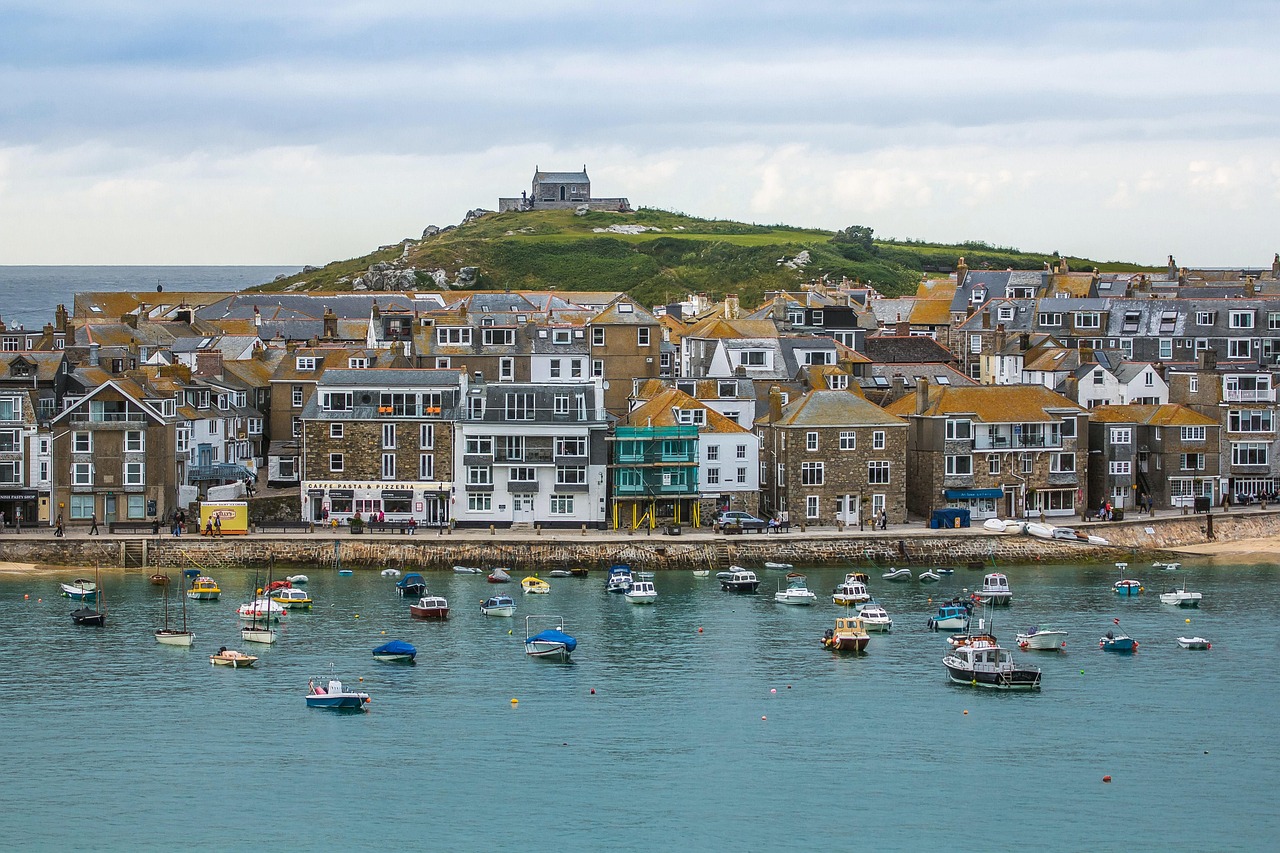
Beach Camping in the UK: How to Choose a Coastal Campsite
· Updated
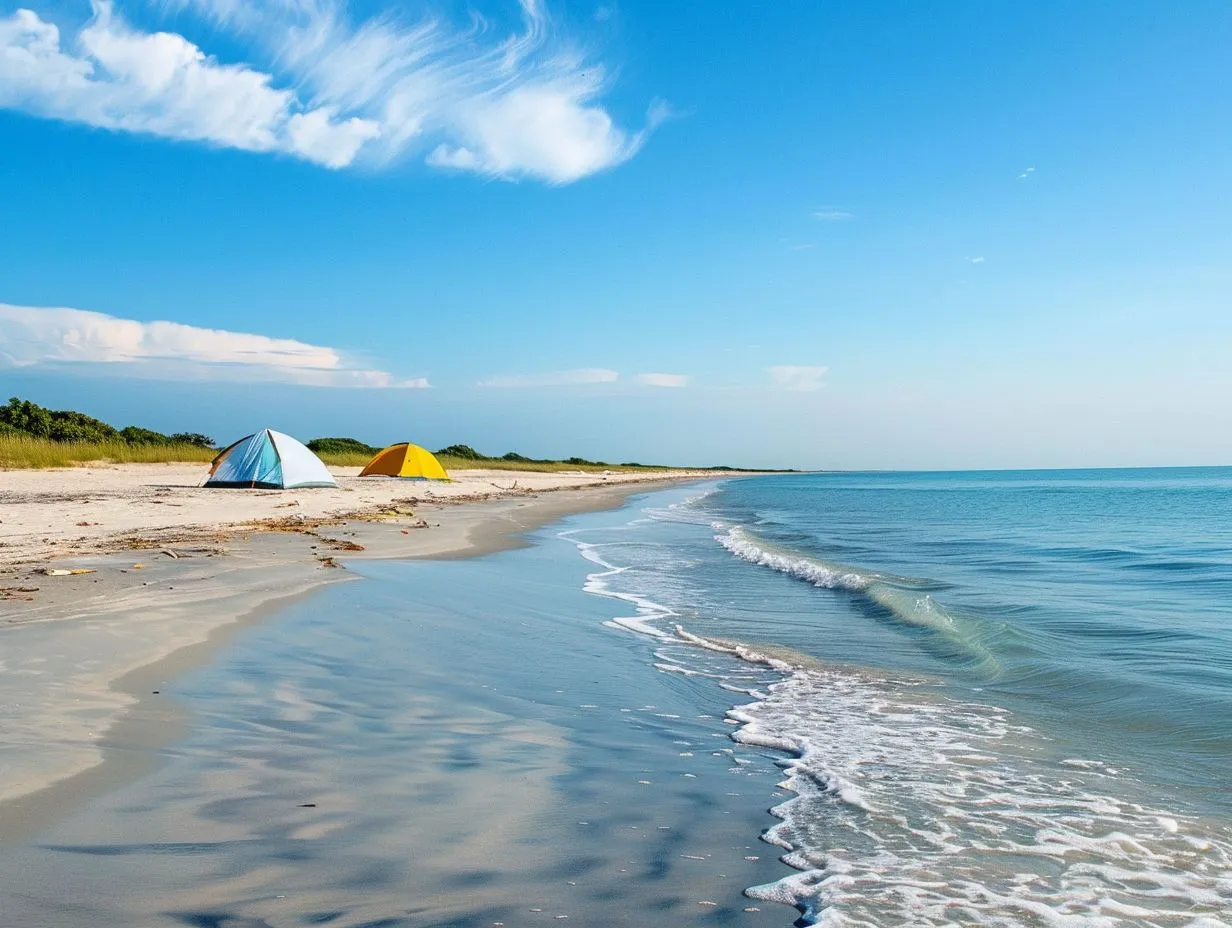
The best beach campsite is not on the beach. In the UK you almost never have the right to pitch a tent on the sand itself, so choosing well means finding a proper campsite just behind the shore: close to the water, sheltered from the wind, with the facilities you need and safe access down to the beach. Get those things right and you get the sea view without the soggy, wind-battered night.
This guide covers what to look for, why the beach itself is usually off limits, the kit that survives an exposed coastal pitch, and how to stay safe near the tide. It is part of our guide to coastal camping in the UK, and you can find and compare seaside pitches across the country at Camping Sites in Britain.
Can you pitch a tent on a UK beach?
Not on the sand itself, not without permission. Most of the UK foreshore, the strip between the average high and low water marks, is owned by The Crown Estate, which holds around half of the coastline. The rest is split between local councils, the National Trust, the Ministry of Defence and private landowners. The public rights that exist over the foreshore cover things like navigation and fishing, not pitching a tent and staying the night.
On top of ownership, most popular beaches sit under local council byelaws that ban overnight camping, and often fires and barbecues too. And then there is the tide, which reclaims the foreshore twice a day and floods anything pitched below the high water line. Add it up and the open beach is the worst place to sleep. The answer is a campsite on the land just behind it, which is what this guide helps you choose.
What to look for in a coastal campsite
Six things separate a brilliant seaside pitch from a miserable one: how close it is to the sand, how well it shelters you from the wind, the ground you are pitching on, its facilities, its dog policy, and how you actually get down to the water. Here is what each one means in practice.
| What to check | Why it matters by the sea |
|---|---|
| Distance to the sand | A five-minute walk beats a sea view you have to drive to. Confirm it is genuinely walkable, not a clifftop mile away. |
| Shelter and aspect | Coastal wind is relentless. Look for hedges, dunes, walls or a dip in the ground, not an open, exposed field. |
| Ground and drainage | Sandy, low-lying ground drains fast but holds pegs poorly. Clifftop grass over rock can be almost impossible to peg. |
| Facilities | Hot showers to rinse off salt and sand, a washing-up area and drinking water all matter more at the coast. |
| Dog policy | Many beaches ban dogs in summer, so check both the site and the nearest beach if you are bringing one. |
| Safe access to the water | A gentle path or steps beat a crumbling cliff edge, especially with children. |
Shelter from the wind
Wind is the thing that ruins coastal trips, so shelter is the single most important factor after location. A pitch tucked behind a hedge, a dune or a dry-stone wall will be quieter, warmer and far easier to sleep in than an open field on a headland. If you can, ask the site which pitches are the most sheltered and which way the prevailing wind comes off the sea. On many west-facing coasts, from Cornwall to Pembrokeshire and the Llŷn Peninsula in Gwynedd, that is a steady south-westerly.
Facilities that earn their keep
At the coast you will get sandy and salty faster than anywhere else, so hot showers and a decent washing-up area go from nice-to-have to essential. Check for drinking water, chemical disposal if you are in a campervan, and whether the site is open before Easter or after the schools go back, as many seaside sites run a short season. A shop or pub within walking distance is a real bonus when the weather turns and you would rather not drive.
Dogs, tides and getting to the beach
Two things catch people out. First, dogs: many councils ban them from the main bathing beaches between May and September, so a dog-friendly campsite does not guarantee a dog-friendly beach next door. Check both. Second, access and tides: some of the finest beaches in Britain, like Runswick Bay in North Yorkshire or the coves of Dorset and Devon, are reached by steep paths or steps, and a few are cut off entirely at high water. Always know the tide times before you walk down, and never rely on walking back the way you came along the sand.
Kit for an exposed coastal pitch
Two bits of kit make or break a beach camp: pegs that hold in soft ground and a windbreak that actually works. Standard tent pegs pull straight out of dry sand and loose dune grass, so pack long plastic sand pegs or wide V-shaped and Delta pegs that grip a bigger area. For hard clifftop ground, carry a few tough steel rock pegs and a proper mallet as well, because you will not push anything in by hand.
A windbreak, the sort with wooden or steel poles and a woven panel, does two jobs: it takes the edge off the wind across your pitch and it gives you a bit of privacy on a busy beach or open field. Drive the poles in deep, angle them slightly away from the wind, and do not stretch it so tight that a gust rips it out. Add extra guy lines to your tent, use every peg point it came with, and bring spare guylines and pegs, because you will lose some to the sand. A groundsheet footprint keeps damp and grit out from underneath.
If you want a fuller rundown of coastal gear and pitching technique, our sibling guide to tips for a safe and enjoyable beach camping experience goes deeper on setup and packing.
Staying safe near the sea
The sea, the tide and the cliffs are the real hazards, not the camping. Check tide times every day, because a rising tide can cut off a beach or a cove faster than you expect, and never pitch or leave gear below the high water mark. Swim only where there is a lifeguard and a flag if you can, and learn to spot a rip current, which shows as a channel of choppier, discoloured water heading out to sea. If you are caught in one, do not fight it: float, raise an arm and call for help.
Keep well back from cliff edges and cliff bases alike, as they crumble and fall without warning, and mind children and dogs near both. If you get into trouble in the water or see someone else in difficulty, call 999 and ask for the Coastguard. For safe walking routes along the top, our guide to exploring Britain's coastal pathways is a good starting point.
Where to find coastal campsites
You will find the best density of seaside sites in the classic coastal counties. Browse pitches by area in Cornwall, Devon, Dorset and North Yorkshire, or head to Wales for Pembrokeshire and Gwynedd. For quieter sand, our guide to Britain's secret beaches and cove campsites and our roundup of must-see Welsh beaches are worth a read, or start from the full campsite listings.
Frequently asked questions
Can you camp on a beach in the UK?
Generally no. Most of the foreshore is owned by The Crown Estate, councils or private landowners, and public rights do not include camping. Popular beaches also carry byelaws banning overnight camping and fires, and the tide floods the sand twice a day. Use a campsite behind the beach instead.
How do I stop my tent blowing away on the coast?
Pick a sheltered pitch behind a hedge, wall or dune, use long sand pegs or wide V-pegs in soft ground and steel rock pegs in hard ground, and add extra guy lines to every anchor point. A windbreak across the exposed side takes the force off the tent.
What kind of pegs work best in sand?
Long plastic sand pegs and wide V-shaped or Delta pegs grip loose sand and dune grass far better than thin standard pegs, which pull straight out. Carry a few steel rock pegs and a mallet as well for hard clifftop ground.
Do coastal campsites allow dogs on the beach?
The campsite might, but the beach often will not in summer. Many councils ban dogs from main bathing beaches between May and September. Check the specific beach's seasonal rules separately from the site's dog policy before you travel.
When is the best time for beach camping in the UK?
Late May to early September gives you the warmest, driest weather and the longest evenings, though it is also busiest. Many seaside sites open only for that season, so book ahead for July and August and check opening dates at the shoulders.
The short version
You cannot pitch on the beach itself in the UK, so choose a sheltered campsite just behind it with good facilities, the right dog and tide access, and a safe path down. Pack sand pegs and a windbreak for the exposed ground, and keep a close eye on the tide. Compare seaside pitches in our guide to coastal camping in the UK or browse the full campsite listings to find your spot.