The Best UK Campsites for Surfing Enthusiasts
· Updated
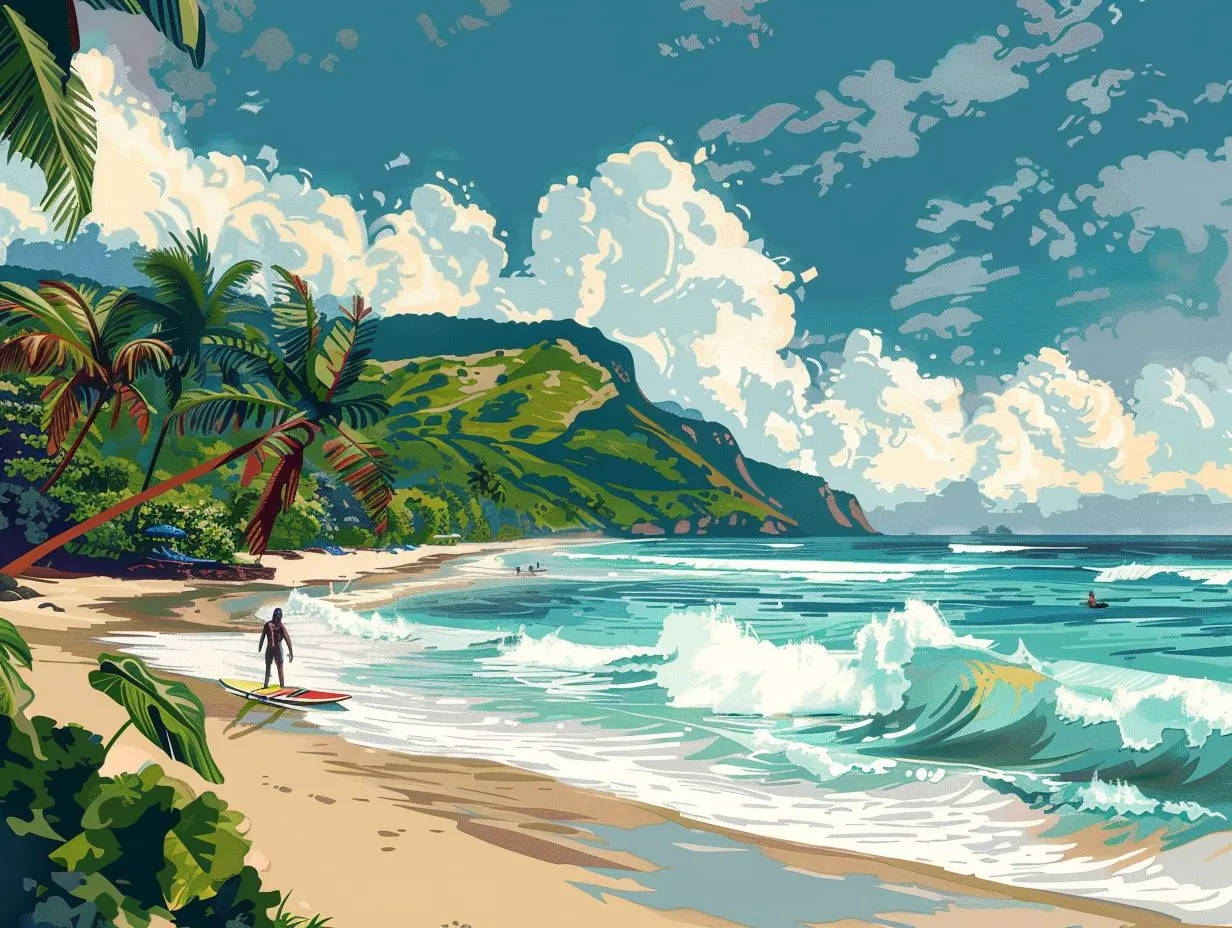
Britain has world-class surf, and the best of it sits within a short walk of a campsite. North Cornwall, north Devon, Pembrokeshire, the Gower and the far north of Scotland all catch clean Atlantic swell, and many of the beaches that pick it up have a surf school, a board hire shack and a pitch within sight of the sand. Pitch up the night before, check the dawn forecast from your tent, and you are in the water before the day trippers arrive.
This guide names the breaks that matter, tells you which suit beginners and which suit experienced surfers, and covers the kit, the forecast and the safety that keep a UK surf trip fun. It sits inside our wider guide to campsites with water sports, and you can find and compare every site mentioned through Camping Sites in Britain.
One thing to settle first: UK water is cold all year, so a wetsuit is essential in every season. More on the exact thickness below, but nobody surfs Britain in board shorts.
The best UK surf regions at a glance
The short answer is that north Cornwall and north Devon are the heartland, Wales holds the best mix of beginner and expert beaches, and Scotland offers cold-water reef breaks that rank with anywhere in Europe. Here is how the main regions compare.
| Region | Signature breaks | Best for | Directory |
|---|---|---|---|
| North Cornwall | Fistral, Watergate Bay, Polzeath, Sennen Cove | All levels, the UK surf capital | Cornwall campsites |
| North Devon | Croyde, Woolacombe, Saunton Sands | Beginners and improvers | Devon campsites |
| Pembrokeshire | Freshwater West, Whitesands Bay | Improvers and experienced | Pembrokeshire campsites |
| Gower | Llangennith | All levels, the classic Welsh beach | Browse the directory |
| Scotland | Thurso East, the Outer Hebrides | Experienced, cold-water reef | Highlands campsites |
| Yorkshire and the north east | Saltburn, Scarborough | Beginners and improvers | Browse the directory |
North Cornwall, the UK surf capital
North Cornwall is where British surfing lives, and Newquay is its capital. The beaches here face the full Atlantic, pick up swell almost year-round, and have the biggest concentration of surf schools, board hire and camping in the country.
Fistral Beach at Newquay is the most famous wave in Britain, a consistent beach break that hosts national and international competitions. It works for everyone: gentle inside reforms for beginners on a small day, and a punchy, hollow wave off the Cribbar reef when a big swell arrives for experienced surfers. Fistral is popular and it holds rip currents, so it is lifeguarded through the season and worth respecting. RNLI lifeguards there rescued 17 people from a single rip in July 2025, which tells you both how busy and how powerful it gets.
Watergate Bay, just north, is a two-mile stretch of sand that spreads the crowd out and suits improvers who want space. Polzeath is a wide, forgiving beach that is a firm family and beginner favourite, with a gentle wave and a proper surf-town feel. Further west, Sennen Cove near Land's End is a beautiful, cleaner-water beach that picks up more swell than most, so it can be brilliant for confident surfers when everywhere else is flat. Campsites and surf schools sit right by all four beaches.
North Devon, long forgiving beaches
North Devon is the best place in England to learn, thanks to long, sand-bottomed beaches that break gently across a wide area. It is a short hop from Cornwall but noticeably less crowded.
Saunton Sands is the classic beginner beach, a three-mile expanse of forgiving, slow-rolling waves that are ideal for longboarding and first lessons. Croyde, the next bay along, is the opposite: a short, powerful, hollow beach break that pulls in experienced surfers and gets busy on a good swell. Woolacombe sits between the two, another long golden beach that suits improvers and families. The village of Croyde in particular is packed with surf-friendly campsites, board hire and schools, and the whole area works as a base whatever your level.
Pembrokeshire and the Gower, the best of Wales
Wales combines quiet, scenic beaches in Pembrokeshire with the single most popular surf beach in the country on the Gower. Both are within a stone's throw of camping.
In Pembrokeshire, Freshwater West is the region's premier wave, an exposed, powerful beach break that catches plenty of swell and rewards surfers who already know what they are doing. Whitesands Bay near St Davids is more forgiving and stunning to look at, a good all-rounder with a surf school on the beach and coast path walks on the doorstep. Pembrokeshire's beaches sit inside a national park, so the camping is as good as the surfing.
On the Gower, Llangennith is the classic Welsh surf beach, a three-mile sweep at the western end of Rhossili Bay that catches the most swell in south Wales. It handles all levels, has a long-established surf school and campsites set back behind the dunes, and is the first place most of south Wales learns to surf. On a clean autumn morning it is hard to beat.
Scotland, world-class cold-water surf
Scotland has the best waves in Britain and the coldest water to go with them. This is expert territory, but the quality is genuinely world class.
Thurso East on the north Caithness coast is a right-hand reef break that ranks among the best cold-water waves in Europe, a long, powerful, barrelling wall that draws professional surfers and has hosted world tour events. It breaks over rock in frigid water and is strictly for experienced surfers. Further out, the Outer Hebrides hold empty, pristine beach and reef breaks on Lewis and Harris, with white sand, turquoise water and almost nobody around. You need to be self-sufficient and well insulated, but the reward is uncrowded surf in spectacular surroundings. The far north is remote, so book your pitch and check facilities before you set off through the Highlands campsites on the directory.
Yorkshire and the north east, the surf you did not expect
The east coast surfs too, and the North Sea sends up clean, punchy waves that many visitors never realise are there. Saltburn in the Cleveland area is the friendly heart of north east surfing, a mellow, welcoming beach break with a surf school, hire and a strong local scene that is great for beginners and improvers. Scarborough, with its North and South bays, gives you options in different wind directions and a proper seaside town behind the beach. The water is cold and the swell less frequent than the Atlantic coast, but when it turns on, the crowds are thin.
What to pack and wear
A wetsuit is the one piece of kit you cannot skip in the UK, whatever the month. British sea temperatures run from around 8C in late winter to about 17C at the summer peak, so bare skin is never an option.
- Summer (roughly June to September): a 4/3mm wetsuit is the standard. On the warmest days in the far south you might get away with a 3/2mm.
- Winter (roughly November to March): a 5/4mm wetsuit plus boots, gloves and a hood. In Scotland, treat this as the minimum year-round and never surf without the extremities covered.
- Spring and autumn: a 4/3mm with boots, and gloves on the colder days.
Beyond the suit, you need a board suited to your level (a soft-top or longboard to learn on), wax, a leash and a changing robe for the car park afterwards. If you are new to it, do not buy everything up front. Surf schools and hire shops sit on almost every beach listed here and will kit you out for the day.
Surf schools, hire and lessons for beginners
If you have never surfed, book a lesson before you do anything else. A two-hour group session with a qualified instructor will teach you how to pop up, where to sit, how to read the beach and how to stay safe, and it is the single fastest way to progress. Surf schools accredited by Surfing England or the wider governing bodies hire wetsuits and soft-top boards by the hour or day, so you can turn up with nothing.
Beaches like Polzeath, Saunton, Whitesands, Llangennith and Saltburn are the gentlest places to start. Once you can catch and stand on the smaller reforms, you have the basics to build on anywhere.
Check the surf forecast
Surf changes daily, so read a forecast before you commit to a beach. Free tools like Magicseaweed's successor Surfline and the BBC or Met Office marine forecasts show swell height, swell period, wind direction and tide for every UK break. As a rule you want swell with a decent period, wind that is offshore or light, and a tide that suits the beach, which the surf school or hire shop can tell you.
Forecasting also keeps you safe. Do not paddle out on a swell that is clearly beyond your level, and if the wind is howling onshore and the sea is a mess, save your energy for a better day.
Stay safe in the water
Safety is not optional in UK surf, and rip currents are the main hazard. A rip is a strong, narrow channel of water flowing away from the beach, and it is the reason most people need rescuing. The single most important rule is to surf at a lifeguarded beach and to stay between the red and yellow flags, which mark the safest area.
If you are caught in a rip current, do not try to swim against it, because you will exhaust yourself. The RNLI advice is to stay calm, keep hold of your board for buoyancy, and either signal for help by raising an arm and shouting, or, if you cannot swim, lean back and Float to Live: tilt your head back with your ears submerged, relax and let your body float until the panic passes and you can control your breathing. Only then swim parallel to the beach to escape the rip, or wait for the lifeguards. You can read the full guidance from the RNLI Float to Live campaign.
Respect surf etiquette too, because a crowded lineup runs on unwritten rules. The surfer closest to the breaking part of the wave has priority, so do not drop in on someone already riding. Do not paddle straight through the peak where people are surfing, hold on to your board rather than ditching it near others, and give way to swimmers, bodyboarders and other water users. Good manners in the water keep everyone safe and welcome.
More coast and water ideas
If surfing is your thing, a few of our other guides pair naturally with it. For the wind-powered cousin of surfing, read the best kitesurfing campsites. For calmer days, our guide to wild swimming spots covers safe places to get in the water without a board, and if you fancy freshwater over surf, try camping near rivers.
Frequently asked questions
Where is the best place to surf in the UK?
North Cornwall is the UK's surf capital, with Fistral Beach at Newquay the most famous and consistent break. For learning, north Devon's Saunton Sands and the Gower's Llangennith are hard to beat. For expert waves, Thurso East in Scotland ranks among Europe's best.
Do I need a wetsuit to surf in Britain?
Yes, always. UK sea temperatures range from roughly 8C in winter to 17C in summer, so a wetsuit is essential year-round. Wear a 4/3mm in summer and a 5/4mm plus boots, gloves and a hood in winter.
Can beginners surf in the UK?
Absolutely. Long, gentle beaches like Saunton Sands, Polzeath, Woolacombe, Whitesands Bay, Llangennith and Saltburn are ideal for beginners. Book a lesson with a surf school on the beach, which will provide a wetsuit and a soft-top board, and you can be standing up in a single session.
Which UK campsites are closest to the surf?
Croyde and Woolacombe in Devon, Newquay and Polzeath in Cornwall, Llangennith on the Gower and Saltburn in Yorkshire all have campsites and surf schools within a short walk of the beach. Compare sites in each region through the Camping Sites in Britain directory.
What should I do if I get caught in a rip current?
Do not fight it or swim against the current. Stay calm, hold on to your board, and signal for help by raising an arm and shouting. If you cannot swim, lean back and float until you are calm, then swim parallel to the beach. Always surf at a lifeguarded beach.
When is the best time of year to surf in the UK?
Autumn, from September to November, is often the best season: consistent Atlantic swells, lighter crowds and water that is still relatively warm. Summer is friendliest for beginners, while winter delivers the biggest, most powerful waves for experienced surfers willing to wear the thicker wetsuit.
The short version
Britain's best surf runs from Fistral and Croyde in the south west to Thurso in the far north, and nearly every break worth chasing has a campsite and a surf school beside it. Pack the right wetsuit, check the forecast, learn to read a rip, and surf between the flags. Then find your pitch through our guide to campsites with water sports or browse the full campsite directory.