Wild Swimming Spots Near Campsites in the UK, With Safety Advice
· Updated
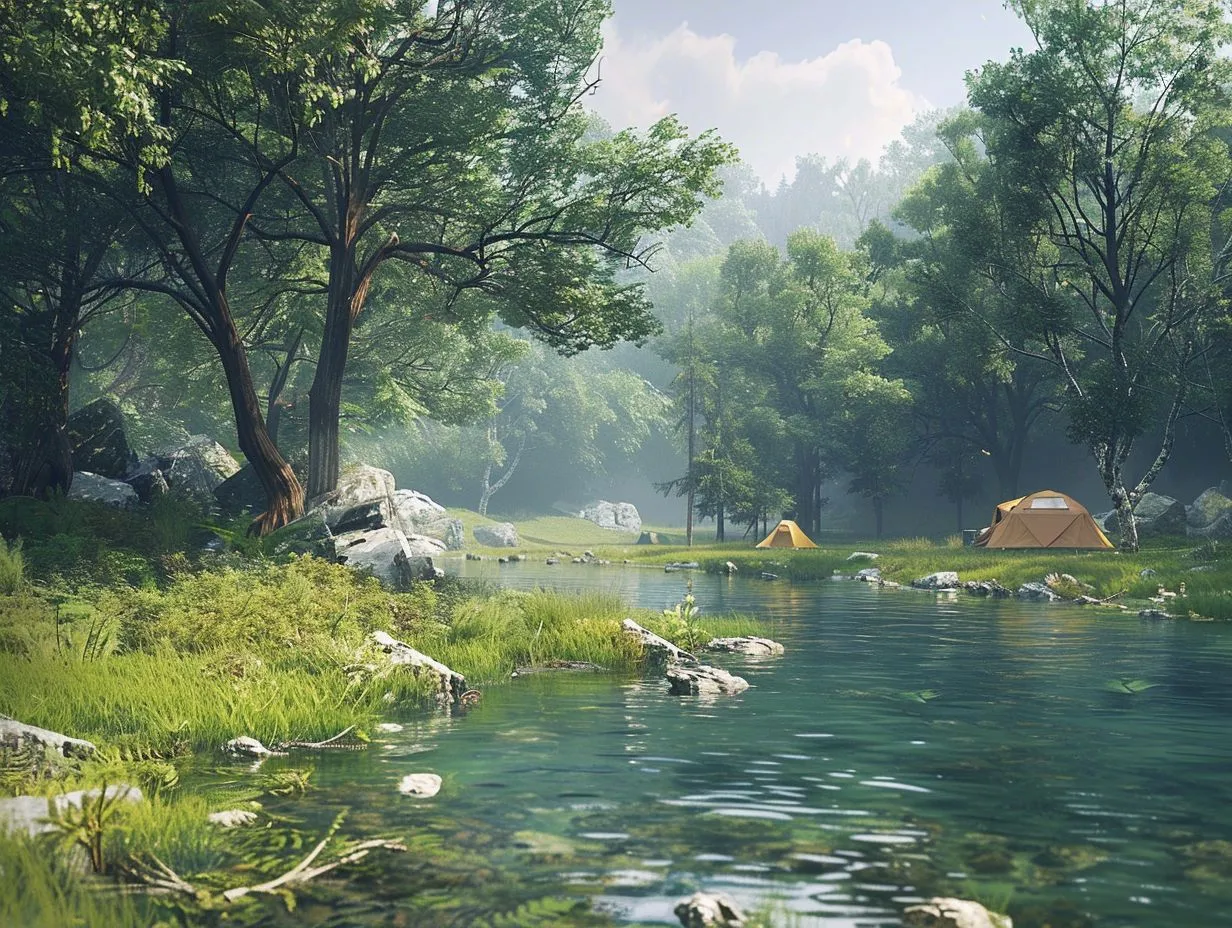
The UK has brilliant wild swimming within a short drive of a good campsite, from the Fairy Pools on Skye to a moorland reservoir in Yorkshire that locals treat as a beach. Pitch up near the right water and you can be floating in a river pool or a glacial tarn within minutes of your tent. The catch is that UK water is cold all year and moving water can kill, so the swimming and the safety matter equally here.
This guide names 11 real spots worth planning a trip around, tells you which campsites and regions put you next to them, and sets out the safety rules that keep wild swimming a pleasure rather than a 999 call. If you want the wider picture on waterside stays, start with our guide to campsites with water sports facilities.
It comes from Camping Sites in Britain, where you can find and compare campsites, caravan parks and glamping across the UK. Read the safety section before you get in, not after.
The best wild swimming spots near campsites
These are the spots we would build a trip around, spread across England, Scotland and Wales. Each one sits within easy reach of camping, so you can swim in the morning and be back at the pitch for breakfast.
| Spot | Where | What you get |
|---|---|---|
| Fairy Pools | Isle of Skye | Clear blue plunge pools under the Cuillin |
| Gaddings Dam | West Yorkshire | Moorland reservoir with a real sandy beach |
| River Wye | Herefordshire and beyond | Long, gentle river swims and canoe access |
| Loch an Eilein | Cairngorms | Sheltered loch with a ruined island castle |
| Buttermere and Rydal Water | Lake District | Quiet lakes framed by fells |
| Blue Lagoon, Abereiddy | Pembrokeshire | Flooded slate quarry, deep and turquoise |
| Hampstead Ponds | London | Lifeguarded ponds on the Heath |
| Sharrah Pool | Dartmoor | Deep river pool on the Dart |
| Llyn Padarn | Eryri (Snowdonia) | Large glacial lake below the peaks |
| Stainforth Force | Yorkshire Dales | Waterfall pool on the River Ribble |
Fairy Pools, Isle of Skye
The Fairy Pools are a chain of clear blue plunge pools and small waterfalls running down from the Black Cuillin at Glenbrittle. The water is startlingly cold and gin-clear, and the setting under the mountains is one of the best in Scotland. Park at the Forestry and Land Scotland car park and walk in; there is a Glenbrittle campsite by the beach that puts you close. Scotland's access rights make wild swimming here straightforward, but the pools are shallow in places, so never jump.
Gaddings Dam, West Yorkshire
Gaddings Dam is a former mill reservoir high on the moor above Todmorden, and it has the highest sandy beach in England. On a warm day it fills with swimmers who have walked up from the valley, and the combination of open water, moorland and sand feels genuinely unusual. There are no facilities and no lifeguards, so this is proper wild swimming: get in slowly and get out before you chill.
River Wye, Herefordshire
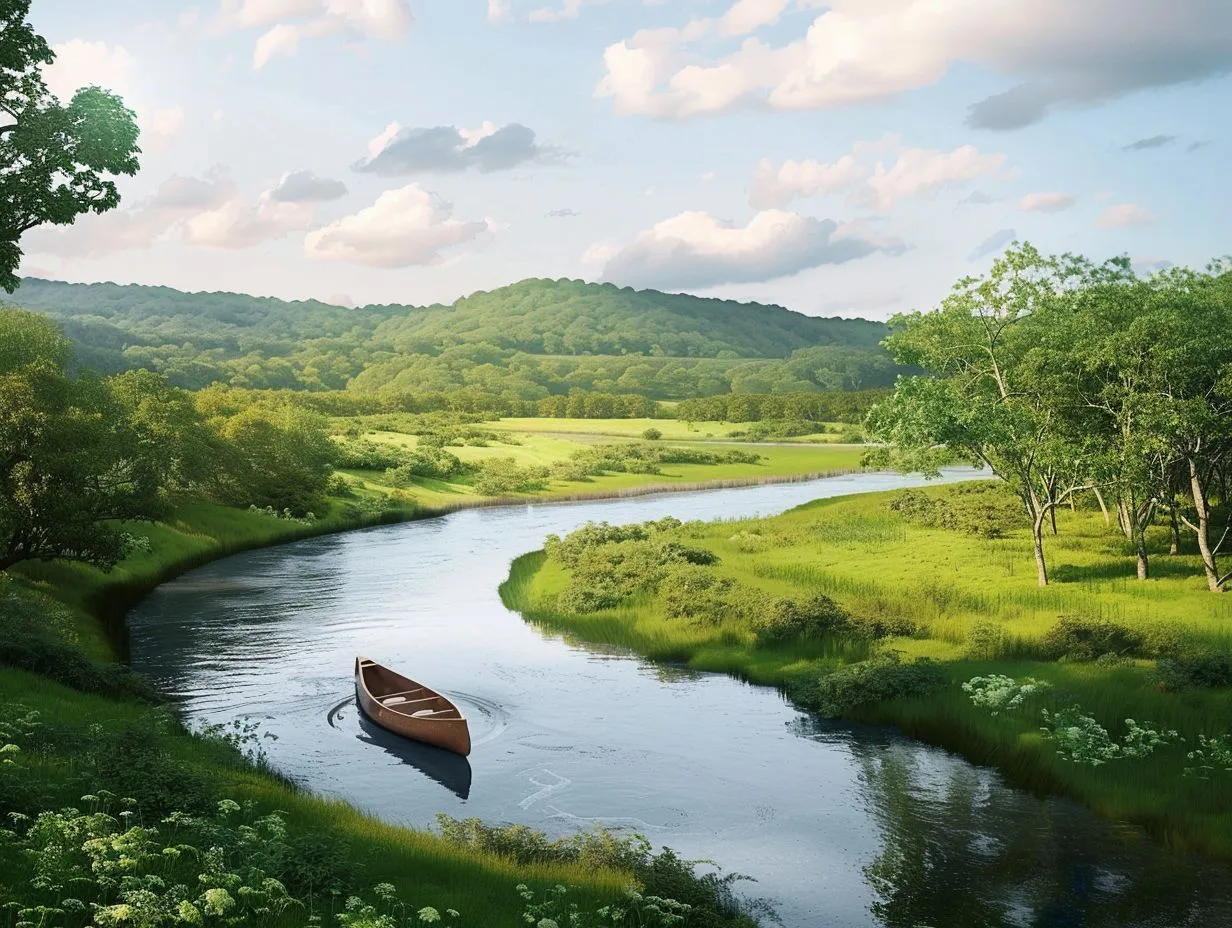
The River Wye offers some of the finest river swimming in Britain, with long gentle stretches around Ross-on-Wye, Symonds Yat and the Herefordshire meadows. It is a wide, generally slow river with easy entry points and plenty of campsites along the banks. Check the flow before you swim, avoid it after heavy rain when levels rise, and stay clear of weirs. Our guide to camping near rivers and streams covers the Wye and other river valleys in detail.
Loch an Eilein, Cairngorms
Loch an Eilein sits in ancient Caledonian pine forest near Aviemore, with a ruined 13th-century castle on a small island. It is sheltered, shallow near the shore and beautifully quiet, which makes it a gentle introduction to loch swimming. The Rothiemurchus estate asks swimmers to be considerate and there is a car park with a small charge. Base yourself among the campsites of the Highlands and you can pair it with the Cairngorm peaks.
Buttermere and Rydal Water, Lake District
Buttermere and Rydal Water are two of the friendliest lakes in the Lake District for swimming. Buttermere is small, clean and ringed by high fells, with easy shingle entries away from the boats. Rydal Water near Ambleside is shallow and warms a little faster, and it links to Grasmere on a classic swim-walk. Both sit among the campsites of the Lake District and Cumbria, so you are never far from a pitch.
Blue Lagoon, Abereiddy, Pembrokeshire
The Blue Lagoon at Abereiddy is a flooded slate quarry on the Pembrokeshire coast, connected to the sea by a narrow channel. Its striking turquoise colour comes from the minerals in the rock, and it is deep, which is why it hosts cliff-diving events. For ordinary swimmers it is a saltwater pool sheltered from the open sea, though it is cold and the entry is over rock. The campsites of Pembrokeshire put the whole coast path within reach.
Hampstead Ponds, London
The Hampstead bathing ponds on Hampstead Heath are the easiest wild swim to reach in the country, with separate men's, women's and mixed ponds. They are lifeguarded in season and charge a small entry fee, which makes them a sensible first open-water swim. The water is still and fed by springs, so it stays cold, and it closes when algae levels are unsafe. There is no camping on the Heath, but the ponds are a fine warm-up before a wilder trip.
Sharrah Pool, River Dart, Dartmoor
Sharrah Pool is a long, deep pool on the River Dart in the woods below Dartmeet, reached by a walk along the riverbank from New Bridge. It is a favourite among experienced wild swimmers for its clarity and length, but the Dart is a moorland river that rises fast after rain and has strong currents in spate. Only swim it in settled low-water conditions. Dartmoor has plenty of campsites nearby, and it is the one place in England with a legal right to wild camp on the commons.
Llyn Padarn, Eryri
Llyn Padarn at Llanberis is a large glacial lake in Eryri (Snowdonia), overlooked by the mountains and the Llanberis path up Yr Wyddfa. There is a designated swimming zone marked by buoys away from the boats, and easy access from the lakeside park. It is deep and cold, so keep to the marked area and wear a bright tow float. Campsites cluster around Llanberis, making it an ideal base for a swim-and-summit weekend.
Stainforth Force, Yorkshire Dales
Stainforth Force is a set of waterfalls and a deep pool on the River Ribble near Settle, famous for leaping salmon in autumn. The pool below the falls is a popular summer swim, but the rocks are slippery, the current near the falls is strong and the water is deep, so it is not a place to jump blind. Swim in the calm pool, keep clear of the falls, and enjoy the packhorse bridge above. There are campsites throughout the Dales within a short drive.
Wild swimming safety: the rules that matter
Cold water shock is the single biggest danger in UK wild swimming, and it can affect strong swimmers who are perfectly fit. UK water stays cold all year, often below 15C even in summer, and sudden immersion makes you gasp, hyperventilate and lose control of your breathing in seconds. That first minute is when people drown, so how you enter the water decides how safe your swim is.
Enter slowly and let your body acclimatise. Wade in, splash water on your neck and face, and give your breathing 60 to 90 seconds to settle before you swim properly. Never leap or dive straight in to cool off, however hot the day.
If you get into trouble, float
If you fall in or your breathing goes out of control, the RNLI advises you to Float to Live. Tilt your head back with your ears submerged, relax and try to breathe normally, and move your hands and feet gently to help you stay afloat. Spread your arms and legs into a starfish shape, and once the cold water shock passes and your breathing settles you can call for help or swim to safety. Fighting the water wastes energy and makes things worse; floating buys you the time to recover. See the RNLI's Float to Live and cold water shock guidance before you swim.
Never jump or dive into unknown water
Jumping into water of unknown depth causes serious spinal injuries and drownings every summer. Rivers and quarries hide rocks, shallow ledges and submerged branches that you cannot see from the bank, and depths change year to year. Always check depth by getting in feet-first and wading, and treat every new spot as shallow until you know it is not.
Check currents, weirs and tides
Moving water is more dangerous than it looks. Rivers rise fast after rain, weirs create recirculating currents that trap swimmers, and coastal spots like the Blue Lagoon are affected by tides. Avoid rivers in spate or when the water is brown, stay well upstream of any weir, and check tide times before a sea or estuary swim. If in doubt, stay out.
Swim with others and get out warm
Never swim alone in wild water. Go with at least one other person, tell someone your plan, and keep an eye on each other. Get out before you feel too cold rather than after, because cold creeps up and your judgement fades with it. Warm up gradually afterwards with dry layers and a hot drink, and do not drive until you have stopped shivering.
Health risks in still and slow water
Blue-green algae is toxic to people and dogs, and it blooms in warm, still or slow-moving water in summer. It can look like green paint, scum or pea soup on the surface, and swallowing it or swimming through it can cause vomiting, skin rashes and worse; for dogs it is frequently fatal. The British Veterinary Association warns owners to keep dogs out of affected water entirely. If the water looks scummy or discoloured, do not swim, and never let your dog drink it.
Leptospirosis, also called Weil's disease, is a bacterial infection spread through the urine of rats and other animals in fresh water. It enters through cuts, or through your eyes, nose and mouth. Cover any cuts or grazes with a waterproof plaster before you swim, try not to swallow the water, and wash afterwards. If you develop flu-like symptoms in the days after a swim, tell your doctor you have been in fresh water, as early treatment is straightforward.
Kit and etiquette
The right kit keeps you warmer and safer for longer. A wetsuit adds buoyancy and buys you time in cold water, a bright tow float makes you visible to boats and gives you something to rest on, and warm dry layers plus a hot drink for afterwards prevent the post-swim chill. Neoprene gloves and socks help in colder months, and swim shoes protect your feet on rocky entries.
Etiquette keeps these places open to everyone. Park considerately and never block gates or lanes, take every scrap of litter home, and respect access; some water is private and some spots ask swimmers to keep numbers down. Follow the Countryside Code in England and Wales and the Scottish Outdoor Access Code in Scotland, and leave no trace. For more waterside adventures, see our guides to kayaking and camping and the best surfing campsites.
Frequently asked questions
Is wild swimming legal in the UK?
In Scotland you have a right to swim in most inland water under the access laws. In England and Wales there is no general right, but swimming is tolerated in many rivers and lakes; some are private or have byelaws. Always check for local signs and respect landowners.
How cold is UK water for swimming?
UK open water is cold all year, often 6C to 12C in spring and rarely above 15C to 18C even in high summer. Anything below 15C can trigger cold water shock, so acclimatise slowly on every swim regardless of the season or the air temperature.
Do I need a wetsuit to wild swim?
You do not have to wear one, but a wetsuit is strongly recommended in the UK. It keeps you warmer, extends how long you can safely stay in, and adds buoyancy. In colder months, add neoprene gloves, socks and a hat to protect your extremities.
How do I know if water has blue-green algae?
Look for green, blue-green or brown scum, streaks that resemble spilled paint, or a pea-soup appearance, usually in warm, still water in summer. If the water looks discoloured or scummy, do not swim and keep dogs away entirely, as the toxins can be fatal to them.
Can I swim in a river after heavy rain?
No. Rivers rise fast and run hard after rain, currents strengthen, and sewage and farm runoff spike water pollution. Wait for levels to drop and the water to clear, usually a few days, before you swim. Brown, fast or debris-filled water means stay out.
What is the safest way to start wild swimming?
Start at a lifeguarded spot like the Hampstead Ponds, go with an experienced swimmer, and enter slowly to acclimatise. Wear a bright tow float, stay near the shore, and get out before you feel too cold. Build up your cold tolerance gradually over several swims.
The short version
The UK has world-class wild swimming near campsites, from the Fairy Pools to Sharrah Pool, and the trick is to match a great spot to a safe swim. Respect the cold, never jump into unknown water, check for currents and algae, and always swim with others. Find your base among the campsites on Camping Sites in Britain and read our guide to campsites with water sports to plan the whole trip.