The best walks in Lincolnshire: gentle trails and big skies
· Updated
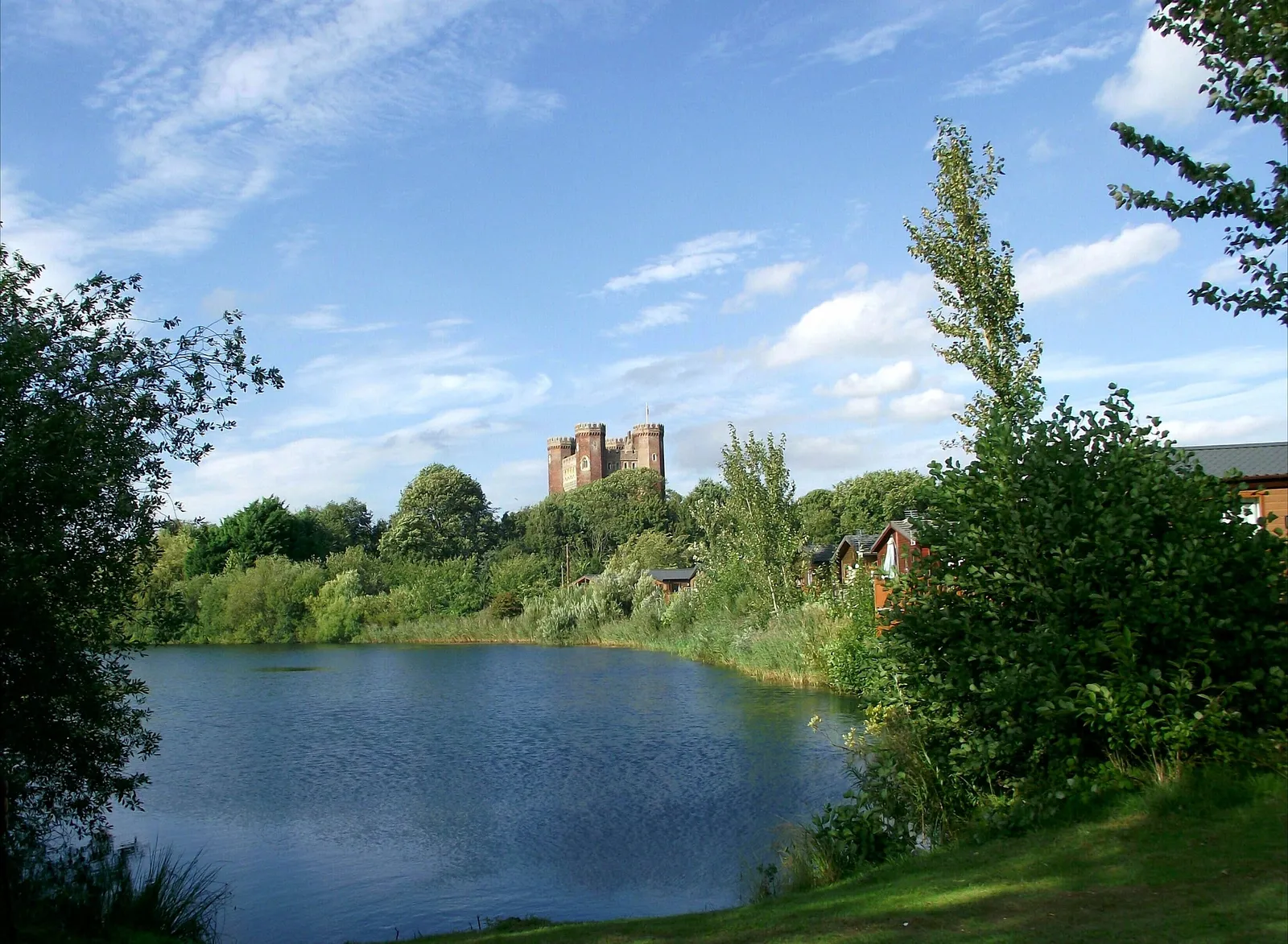
Lincolnshire is one of England's quietest and most walkable counties. Most of it is gentle, flat and open, with wide fenland skies and long horizons, so you can cover proper distances without ever facing a steep climb. Where you do want a bit of contour, the Lincolnshire Wolds give you soft chalk hills and hidden valleys, and the whole county stays blissfully uncrowded compared with the honeypot national parks.
That mix makes it brilliant for families, older walkers and anyone who prefers flat, easy ground. You get big-sky walking on traffic-free routes, historic market towns, a proper coast with nature reserves, and the 147-mile Viking Way threading through the middle of it. This is part of our guide to camping along the UK's national trails, and here at Camping Sites in Britain we think Lincolnshire is badly underrated for a walking break.
Below are the areas and trails worth planning a trip around, plus the practical bits on waymarking, winter mud and the Countryside Code so you turn up sorted.
The Lincolnshire Wolds
The Wolds are the county's walking highlight and the one place you will find real hills. This is a range of low chalk uplands designated an Area of Outstanding Natural Beauty (now branded a National Landscape), covering roughly 220 square miles of rolling farmland, beech woods and quiet, steep-sided valleys. The high points sit around 150 metres, so the climbs are honest rather than punishing.
Base yourself around Louth, Tealby or Horncastle and you can string together field paths, bridleways and green lanes for miles. The villages are small and handsome, the pubs are welcoming, and you rarely meet a crowd. It is the best of the county for anyone who wants scenery with a bit of shape to it.
The Viking Way
The Viking Way is Lincolnshire's flagship long-distance path, running 147 miles from the Humber Bridge at Barton-upon-Humber all the way to Oakham in Rutland. Much of it lies within Lincolnshire, carrying you off the Humber bank, up through the heart of the Wolds, along the limestone Cliff ridge past Lincoln, and down through the fens and rolling south of the county.
You do not need to walk the whole thing. The route breaks neatly into day sections, and the Wolds stretch between Barton and Horncastle is the most scenic. Look for the distinctive Viking helmet waymarker discs that mark the path throughout. Tackle a single leg as a linear day out, or use a couple of villages as bookends for a weekend.
The Lincolnshire coast and Gibraltar Point
The coast gives you a completely different kind of walking: flat, open and full of birdlife. The star is Gibraltar Point National Nature Reserve, just south of Skegness, where dunes, saltmarsh and freshwater lagoons meet a huge sweep of sand. It is a nationally important site for migrating and wintering birds, with easy waymarked trails, boardwalks and a visitor centre.
North and south of there you can walk long, quiet stretches of beach and sea bank for as far as you fancy. Bring binoculars, check the weather, and remember the coast is exposed, so the wind that makes the skies so dramatic can also make it feel colder than inland. It is level, pushchair-friendly walking in most spots.
The Water Rail Way
The Water Rail Way is the easiest walk on this list and perfect for families. It is a flat, traffic-free path running along the River Witham between Lincoln and Boston, following the course of a former railway line, so there are no gates, stiles or gradients to slow you down. Walkers and cyclists share the route, and it is dotted with sculptures inspired by local wildlife.
The full route is around 33 miles, but the joy of it is dipping in for a short stretch. Start at Lincoln's waterfront, walk out past the sculptures and the river meadows, and turn back whenever you like. Firm surface underfoot means it stays usable even when field paths turn to mud.
Tennyson country around Somersby
The southern Wolds around Somersby are known as Tennyson country, the landscape that shaped the poet Alfred, Lord Tennyson, who was born there in 1809. This is deep, quiet countryside of hidden lanes, babbling brooks and small stone villages, and it is easy to see how it fed his verse.
Walks here link Somersby with nearby Bag Enderby and the surrounding valleys on field paths and quiet roads. It pairs well with a visit to the market town of Spilsby, Tennyson's local town, which makes a good starting point with parking and places to eat.
Historic Lincoln, Steep Hill and the cathedral
Lincoln packs a proper walk into a single city. The climb up Steep Hill from the riverside to the cathedral is short but genuinely steep, a cobbled street of independent shops and timber-framed buildings that ranks among the finest historic streets in England. At the top you reach Lincoln Cathedral and the Norman castle, with views out across the county.
From the uphill old town you can drop down to the Brayford Waterfront and pick up the start of the Water Rail Way, or head out onto the Cliff ridge where the Viking Way passes close by. It is the one place in Lincolnshire where a walk comes with a thousand years of history at every turn.
Spilsby, Louth and the market towns
The eastern Wolds towns of Louth and Spilsby make ideal walking bases. Louth is a handsome Georgian market town sitting right on the edge of the Wolds, with the spire of St James' Church, one of the tallest parish church spires in the country, as a landmark. Footpaths climb straight out of town into the hills.
Spilsby sits between the Wolds and the fens, close to Tennyson country and within easy reach of the coast. Both towns give you parking, cafes, pubs and market days, so you can build a walk around a proper lunch rather than a soggy sandwich.
Fenland and the wide skies
The fens in the south and east are as flat as England gets, and that is the whole point. Walking here is about enormous skies, straight drove roads, dead-level horizons and light that shifts by the minute. It suits anyone who wants distance without effort, or who simply loves an open landscape.
Paths often follow raised banks beside rivers and drains, giving you a slightly elevated view over the farmland. There is little shelter, so pick a settled day, but the sense of space is like nowhere else in the country.
Which Lincolnshire walk suits you
| You want | Go for | Terrain |
|---|---|---|
| Hills and views | Lincolnshire Wolds around Louth or Tealby | Gentle chalk climbs |
| A flat, easy family walk | Water Rail Way, Lincoln to Boston | Level, traffic-free, firm surface |
| A long-distance challenge | The Viking Way, in day sections | Mixed, mostly gentle |
| Coast and wildlife | Gibraltar Point near Skegness | Flat dunes, sand and boardwalk |
| History and a city | Steep Hill and the cathedral, Lincoln | Short but steep cobbles |
| Big skies and space | The fens south and east of Boston | Dead flat, open |
Practical tips for walking in Lincolnshire
Waymarking is generally good on the named routes but patchier on ordinary field paths, so carry an Ordnance Survey map or a mapping app rather than relying on signs. The Viking Way uses its helmet disc, and the Water Rail Way and Gibraltar Point trails are clearly marked, but a Wolds field path can leave you guessing at a crossing.
Winter mud is the main thing to plan for. Much of the county is clay farmland, and after rain the field paths and river banks get genuinely heavy going, so save those for summer and stick to firm-surfaced routes like the Water Rail Way in the wet months. Wear boots you do not mind cleaning.
Follow the Countryside Code: keep dogs under control and on leads around livestock and ground-nesting birds, leave gates as you find them, take your litter home and stick to paths across farmland. On the coast at Gibraltar Point, check for seasonal dog restrictions and give the nesting birds space.
Where to stay and other walking routes
Lincolnshire has a good spread of campsites, from quiet Wolds farms to coastal parks near the beaches, and pitching up in the county puts the trails on your doorstep. Browse our Lincolnshire campsites to base yourself near the Wolds, the coast or the Viking Way.
If you are touring more of the country, it is worth comparing Lincolnshire's gentle ground with a few contrasting walking areas. Try the moorland and coast of the walks in the North York Moors, the honey-stone villages and rolling routes of walking the Cotswolds, or the flat, easy mileage of Britain's canal paths, which share the same relaxed, level appeal as the Water Rail Way.
Frequently asked questions
What is the best walk in Lincolnshire?
For scenery, the Lincolnshire Wolds around Louth or Tealby is the best, with gentle chalk hills and quiet valleys. For an easy, flat family walk, the traffic-free Water Rail Way between Lincoln and Boston is hard to beat.
How long is the Viking Way?
The Viking Way is 147 miles long, running from the Humber Bridge at Barton-upon-Humber to Oakham in Rutland. Much of it passes through Lincolnshire, and it is easily walked in day-length sections rather than all at once.
Is Lincolnshire good for walking?
Yes. It is mostly flat, quiet and uncrowded, with big fenland skies, a birdlife-rich coast and long traffic-free routes. The Lincolnshire Wolds add gentle chalk hills for anyone wanting a bit more contour.
Are there flat, easy walks in Lincolnshire for families?
Plenty. The Water Rail Way is flat, firm and traffic-free the whole way, Gibraltar Point has level waymarked trails and boardwalks, and the fen banks give easy, gate-free walking. Most of the county suits pushchairs and small legs.
When is the best time to walk in Lincolnshire?
Late spring to early autumn gives the driest ground and the best of the coast and Wolds. Field paths on clay soil get very muddy in winter, so stick to firm-surfaced routes like the Water Rail Way in the wetter months.
Do I need a map for Lincolnshire walks?
Yes, carry an Ordnance Survey map or a mapping app. The named routes are waymarked, but ordinary field paths can be poorly signed, especially at field boundaries in the Wolds and fens.
The short version
Lincolnshire is gentle, big-sky, uncrowded walking country that suits families and anyone who prefers flat ground, with the chalk Wolds on hand when you want a hill. Pick the Wolds for scenery, the Water Rail Way for an easy family day, the Viking Way for distance, and Gibraltar Point for the coast, then plan around the mud and the Countryside Code. Ready to go? Browse our Lincolnshire campsites and read more on camping along the UK's national trails.