What to Pack in a Camping First Aid Kit: A UK Checklist
· Updated
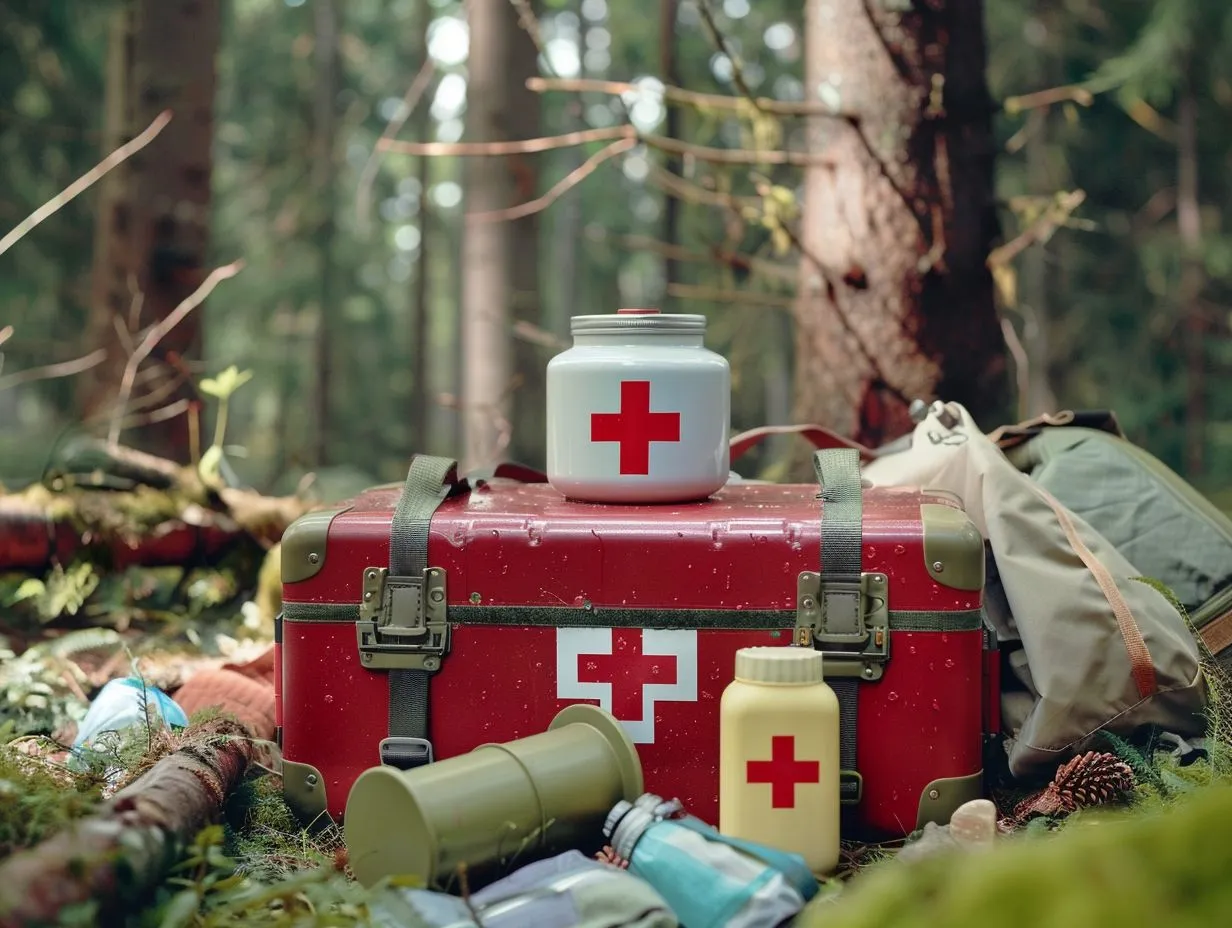
A good camping first aid kit covers four things: wound care, tools, medicines and a few extras for the trips that need them. Get those groups sorted, keep the kit dry, check the dates before you leave, and you can deal with the cuts, blisters, bites and bumps that make up almost every camping mishap. Nothing exotic, just the ordinary stuff, packed where you can find it fast.
The kit is only half the job. Knowing a little basic first aid is what turns a box of plasters into something useful, so this pairs neatly with our essential first aid tips for campers. If you are still choosing where to pitch up, browse verified sites across the country on Camping Sites in Britain.
One thing to be clear on from the start. A first aid kit handles the minor stuff. In a serious emergency, a bad fall, chest pain, a head injury or someone who is unresponsive, your first move is to call 999. In the hills or on open moor, ask for the police and then Mountain Rescue.
The quick checklist
Here is the short version of what belongs in a camping first aid kit. The sections below explain the why for each group and how to scale it up.
- Dressings and wound care: assorted plasters, sterile dressings and gauze, a triangular bandage, a crepe or support bandage, adhesive tape, wound-closure strips, antiseptic wipes, a saline pod for eyes and wounds.
- Tools: fine-tipped tweezers or a proper tick-remover, scissors, safety pins, disposable gloves, a foil survival blanket, a whistle.
- Medicines: paracetamol and ibuprofen, antihistamine tablets and bite cream, rehydration salts, any personal prescription medicines, blister plasters such as Compeed, sun cream and after-sun.
- Extras for remote or family trips: a larger comprehensive kit, a first aid guide, insect repellent.
Dressings and wound care
This group deals with the most common camping injuries: cuts, grazes, splinters and blisters. Pack a generous range of plasters in assorted sizes, including a few waterproof and fabric ones, because they get used more than anything else. Add sterile dressings and gauze for larger wounds, a triangular bandage that doubles as a sling, and a crepe or support bandage for a rolled ankle.
Round it off with adhesive tape to hold dressings in place, wound-closure strips for a gash that will not stop gaping, antiseptic wipes to clean around a wound, and a saline pod for flushing grit out of an eye or a cut. St John Ambulance publishes a full list of what a home and travel kit should hold if you want to cross-check yours (St John Ambulance first aid kit guide).
Tools
A handful of small tools do the fiddly jobs that dressings cannot. Fine-tipped tweezers pull out splinters and thorns, and a proper tick-remover tool is worth having if you camp anywhere with long grass, bracken or deer. Ticks are common across much of upland and woodland Britain and can carry Lyme disease, so removing one quickly and cleanly matters.
The NHS advice is to grip the tick as close to the skin as possible with a tick-removal tool or fine-toothed tweezers, pull steadily upwards without crushing or twisting it, then wash the bite with soap and water and dab on antiseptic. Do not use a lit match, alcohol or petroleum jelly to make it drop off (NHS advice on tick bites). Alongside those, pack scissors, safety pins, disposable gloves, a foil survival blanket to keep someone warm after a shock or fall, and a whistle to signal for help.
Medicines
Pack the everyday medicines that head off small problems before they spoil a trip. Paracetamol and ibuprofen cover headaches, aches and minor fevers. Antihistamine tablets and a bite or sting cream take the edge off midge bites and nettle stings, which are a near certainty on a British summer trip. Rehydration salts help after a bad stomach or a very hot day.
Then add the personal items. Any prescription medicines you or your group take, carried in enough quantity for the whole trip plus a spare day or two, are the single most important thing in the kit. Blister plasters such as Compeed save many a walk, and sun cream and after-sun matter more in Britain than people expect, especially at altitude or by water. Keep all medicines in date and store the kit out of direct heat.
Extras for remote or family trips
Scale the kit to the trip. A quiet weekend at a serviced campsite ten minutes from a town needs far less than a wild pitch two hours' walk from the nearest road. The more remote you are, the bigger and more self-sufficient your kit should be, because you cannot nip to a pharmacy and help will take longer to reach you.
For remote or family trips, upgrade to a larger comprehensive kit with more dressings and a wider range of sizes, pack a printed first aid guide so you are not relying on a phone signal, and bring plenty of insect repellent. If you are heading somewhere genuinely off-grid, read our guide to staying safe in remote areas before you go, and think about how you will get clean water with our notes on safe drinking water.
Keeping the kit ready
A first aid kit is only any use if it is dry, complete and in date. Keep everything in a waterproof case or a dry bag, because damp ruins dressings, plasters and paper packaging fast, and British weather will find any gap. Store the kit somewhere you can grab it without unpacking the whole tent.
Before every trip, give the kit a quick check. Bin anything past its use-by date, restock whatever you used last time, and top up the plasters and blister pads, which always run low first. A weather-related soaking or a sudden cold snap can turn a small problem into a real one, so it is worth reading up on preparing for unexpected weather as part of the same pre-trip check.
Learn a little first aid
The kit matters less than knowing what to do with it. A short first aid course is genuinely worth the time, and organisations like St John Ambulance and the British Red Cross run affordable half-day and full-day sessions across the UK. Learning how to put someone in the recovery position, treat a burn, manage a bleed and recognise the signs of something serious will do more for your group's safety than any amount of extra gear.
And to say it once more, because it is the point that counts: a first aid kit is for minor injuries. If someone is seriously hurt or unwell, call 999 straight away, and in the hills ask for the police and then Mountain Rescue. Give a clear location, ideally a grid reference or a what3words address, and stay put if you safely can.
Frequently asked questions
What should be in a basic camping first aid kit?
Assorted plasters, sterile dressings, gauze, a triangular and a crepe bandage, adhesive tape, wound-closure strips, antiseptic wipes and saline, plus tweezers or a tick-remover, scissors, gloves, paracetamol, ibuprofen, antihistamines, bite cream and any personal medicines.
Should I buy a ready-made kit or build my own?
A ready-made kit is a fine starting point and saves time. Just open it, check what is inside, and add the personal bits it will not include: your prescription medicines, blister plasters, sun cream, insect repellent and extra plasters. Most shop-bought kits are light on plasters.
How do I safely remove a tick while camping?
Use a tick-remover tool or fine-tipped tweezers to grip the tick as close to the skin as possible, then pull steadily upwards without crushing or twisting it. Wash the bite with soap and water and apply antiseptic. Watch for a spreading rash afterwards.
When should I call 999 instead of treating it myself?
Call 999 for anything serious: heavy bleeding that will not stop, a bad head injury, chest pain, difficulty breathing, a suspected broken bone, or anyone who is unresponsive. In the hills or on open moorland, ask for the police and then Mountain Rescue.
How often should I check my first aid kit?
Check it before every trip. Replace anything expired, restock what you used last time, and top up the plasters and blister pads. A full sort-through every three to six months keeps medicines in date and dressings sterile and dry.
How do I keep a first aid kit dry when camping?
Store it in a waterproof case or a dry bag, not a loose pouch. Damp quickly ruins plasters, dressings and paper packaging, and condensation inside a tent is enough to cause it. Keep the kit somewhere easy to reach without unpacking everything.
The short version
Pack four groups: wound care, tools, medicines and a few extras, then scale the kit up the further you get from help. Keep it dry, check the dates before every trip, and learn a little first aid so you know how to use it. For the treatment side, read our essential first aid tips for campers, and when you are ready to book, find your next pitch on Camping Sites in Britain.