The best routes for canoeing and camping in the UK
· Updated
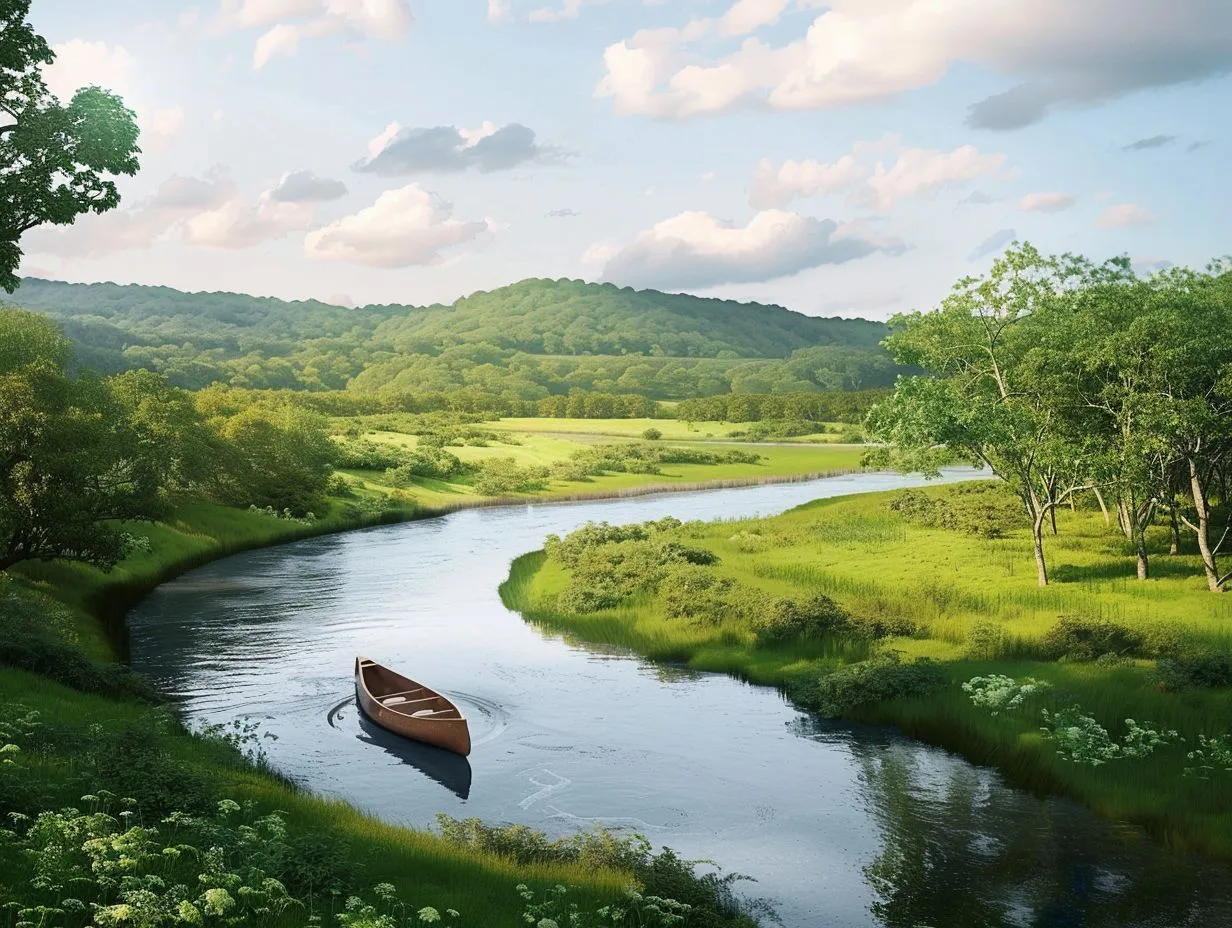
The best canoe touring in the UK is done over several days in an open Canadian canoe, paddling downstream with your kit stowed in barrels and camping along the bank each night. The classic trip is the River Wye, roughly 100 miles of gentle, beautiful water from Glasbury and Hay-on-Wye down to Chepstow, with canoe-friendly campsites all the way. If you want something wilder, the Great Glen Canoe Trail crosses Scotland from coast to coast.
This guide names the routes worth planning a trip around, tells you the character, difficulty and camping for each, and sorts out the access, licences and safety before you load the boat. It sits alongside our guide to campsites with water sports here at Camping Sites in Britain, where you can find and compare places to pitch up near the water.
Open canoes carry far more than a kayak, which is what makes multi-day touring work. If you are weighing the two, read our guide to kayaking and camping in the UK first, then come back for the touring routes.
The best canoe touring routes at a glance
Six routes cover almost everything a UK canoe camper wants, from a first family trip to a proper expedition. Here is how they compare.
| Route | Rough distance | Character | Difficulty | Camping |
|---|---|---|---|---|
| River Wye | 100 miles | Gentle, wooded, beautiful | Easy, one rapid at Symonds Yat | Canoe campsites along the bank |
| Great Glen Canoe Trail | 60 miles | Canal and big lochs, coast to coast | Moderate, exposed on Loch Ness | Designated trailblazer rest sites |
| River Spey | 60 miles | Fast, classic touring river | Moderate, some lively grade 2 | Riverside spots and campsites |
| Norfolk Broads | Up to 125 miles | Flat, sheltered, lock-free | Easy, great for families | Waterside campsites |
| River Thames | 146 miles | Long, historic, many locks | Easy water, locks to portage | Riverside camping and meadows |
| River Great Ouse | Long, section it | Quiet East Anglian lowland | Easy, gentle current | Riverside sites, book ahead |
River Wye
The Wye is the route to start with, and the one experienced paddlers keep coming back to. Roughly 100 miles are navigable by canoe from Glasbury and Hay-on-Wye, through Hereford and Ross-on-Wye, down through the Symonds Yat gorge to the tidal water at Chepstow. Most of it is easy grade 1 with a gentle push of current, so you make miles without a hard slog.
The one place that demands attention is the rapid below Symonds Yat, a bouncy grade 2 that most touring paddlers run down the right or portage on river left. Everything else is holiday paddling through wooded valley, past castles and kingfishers. Canoe-friendly campsites sit right on the bank at regular intervals, so you can plan short days and long lunches. A four or five day trip from Hay to Chepstow is the classic.
The Wye is unusual because it carries a public right of navigation on much of its length, so you do not need a British Canoeing waterways licence for the river itself. Access above Hay follows a voluntary agreement, and Natural Resources Wales and the Environment Agency publish the current arrangements in the official River Wye boating guidance.
Great Glen Canoe Trail
This is the big one: a coast-to-coast crossing of Scotland along the Caledonian Canal and the Great Glen. The trail runs about 60 miles from Fort William on the west coast to Inverness on the east, linking short man-made canal sections with three large lochs, including the 23-mile Loch Ness. Scottish Canals manages it and has set up designated trailblazer rest sites along the way, informal spots with basic facilities where paddlers can camp and break the journey.
Difficulty is moderate rather than technical, because the water is flat, but the lochs are the catch. Loch Ness and Loch Lochy are long, deep and open, and a stiff wind against you kicks up real waves with nowhere to hide. Pick your crossings for calm mornings, hug the shore, and be ready to sit out a blow. You need a paddling licence from Scottish Canals for the canal, which also books you onto the rest sites. It is a brilliant three or four day expedition through the Scottish Highlands, and there are plenty of campsites at either end to bookend the trip.
River Spey
The Spey is the fast classic, a proper touring river with pace and character that rewards a bit of experience. The usual descent runs roughly 60 miles from Loch Insh near Aviemore down through Speyside to the sea at Spey Bay, dropping through whisky country as it goes. Most of it is grade 1 to 2, but the river moves quickly and throws in livelier grade 2 sections and pushy bends that catch out complacent paddlers.
Give yourself two to four days and camp as you go. Scotland's open access rights make informal riverside camping straightforward if you pitch late, leave early and take everything with you, and there are organised campsites near Aviemore, Grantown and Aberlour if you would rather have facilities. Check the level before you commit, because the Spey rises fast and runs hard after Highland rain.
Norfolk Broads
The Broads are the family choice and the easiest touring water in the country. This is a flat, sheltered, lock-free network of rivers and shallow lakes covering up to 125 miles, so children and first-timers can paddle real distances without any drops, rapids or portages to worry about. You drift past reed beds, windmills and moorings, with pubs and villages spaced for easy day-hops.
Camping is at waterside campsites and riverside moorings rather than wild spots, so book ahead in summer. Launching needs a short-term toll from the Broads Authority, which you can buy for the length of your trip. For an easy weekend that still feels like an adventure, it is hard to beat.
River Thames
The Thames is the long one, 146 miles of navigable river from Lechlade in Gloucestershire down to Teddington on the edge of London. The water is easy and slow-moving, so the challenge is distance and the 45 locks, which you either portage around or lock through with the keeper. Riverside camping, campsites and lock-side meadows make a self-supported trip possible, though you need to plan overnight stops because much of the bank is private. A British Canoeing membership includes the Environment Agency registration you need, so one licence covers the paddling.
River Great Ouse
The Great Ouse is the quiet one, a gentle lowland river winding through Bedfordshire, Cambridgeshire and the Fens toward the Wash. The soft current and easy water make it a calm, unshowy touring river for paddlers who want peace rather than drama, though locks on the lower river mean a few portages. Riverside campsites and moorings let you string together an overnight or a multi-day paddle, so book pitches ahead because sites are spread out. Like the Thames, the navigable Great Ouse falls under the Environment Agency, so a British Canoeing licence covers you.
Access and licences
For most touring rivers and canals in England, one British Canoeing membership sorts your paddling. It includes a waterways licence that covers the majority of managed inland waterways, including the Canal and River Trust network, the Environment Agency rivers such as the Thames and the Great Ouse, and other partner authorities. Check the current list on the British Canoeing waterways licensing page before you travel.
Some waters sit outside that. The Wye has its own arrangements because of its public right of navigation, so no British Canoeing licence is needed on the river itself. The Norfolk Broads need a separate Broads Authority toll. In Scotland you have a right of responsible access to most inland water under the Land Reform (Scotland) Act 2003 and the Scottish Outdoor Access Code, so the lochs and rivers are open, but the man-made Caledonian Canal still needs a Scottish Canals licence.
Kit for canoe touring
The advantage of an open canoe is space, and the trick is keeping everything dry and secure. Pack in waterproof barrels and dry bags rather than rucksacks, so kit floats and stays sealed if you capsize, and lash it to the thwarts so nothing swims off downstream. Split heavy loads low and central to keep the boat stable.
- A buoyancy aid for every paddler, worn at all times on the water.
- Waterproof barrels for food, sleeping bag and clothes, plus smaller dry bags for daytime items.
- A spare paddle, a bailer or bilge pump, and a throw line.
- Tent, sleeping mat and warm layers, packed as if you will get wet, because you might.
- Map, phone in a waterproof case, and a means of checking river levels.
Loading a small boat for several nights out is a skill in itself. The principles carry across from kayaking, so our guide to how to pack a kayak is worth a read before you start filling barrels.
Safety on the water
Cold water and moving water cause almost every serious incident, so treat both with respect. UK rivers and lochs stay cold enough to cause cold-water shock most of the year, which is why a buoyancy aid is not optional and why you should never paddle alone on a big trip. Dress for immersion, not for the air temperature.
Weirs are the real hazard on touring rivers. The recirculating tow below a weir can hold and drown a swimmer, so always get out and portage well upstream rather than running one you have not inspected. Check river levels before you set off and after any heavy rain, because a friendly river in summer becomes a fast, pushy one within hours of a downpour. If a stretch looks beyond you, carry the boat around it. There is no shame in a portage.
Once you have the touring bug, the wider country opens up. Our guide to camping near Britain's rivers and streams is a good place to look for your next put-in.
Frequently asked questions
What is the best canoe route in the UK for beginners?
The River Wye and the Norfolk Broads are the best starting points. The Wye is gentle grade 1 with campsites along the bank, and the Broads are flat, sheltered and completely lock-free, so both suit families and first-time tourers.
Do I need a licence to canoe in the UK?
On most managed English waterways, yes. A British Canoeing membership includes a waterways licence covering the Canal and River Trust, Environment Agency rivers and other partners. The Wye has its own arrangements, the Broads need a separate toll, and Scotland is open access.
How long is the Great Glen Canoe Trail?
The Great Glen Canoe Trail runs about 60 miles from Fort William to Inverness, crossing Scotland along the Caledonian Canal and three lochs, including Loch Ness. Most paddlers take three or four days and use the designated trailblazer rest sites.
Can you wild camp along canoe routes in the UK?
In Scotland, yes, under the right of responsible access, so informal camping along the Spey or Great Glen is fine if you follow the Access Code. In England and Wales, camp at riverside campsites or designated spots unless you have the landowner's permission.
Is the River Wye safe to canoe?
The Wye is one of the safest touring rivers in Britain, mostly easy grade 1. The main things to watch are the grade 2 rapid at Symonds Yat, which you can portage, and rising levels after heavy rain. Always wear a buoyancy aid.
What is the difference between a canoe and a kayak for touring?
An open canoe sits higher, carries far more kit and is easier to load for multi-day trips, which makes it the touring choice. A kayak is faster and better in rough or cold conditions but holds less gear.
The short version
For a first multi-day trip, paddle the Wye or the Broads. For a proper expedition, take on the Great Glen or the Spey. Sort your British Canoeing licence, pack dry in barrels, respect weirs and cold water, and check levels before you go. Then find your riverside pitch through campsites with water sports and get on the water.