Bird Watching While Camping: A Beginner's Guide for the UK
· Updated

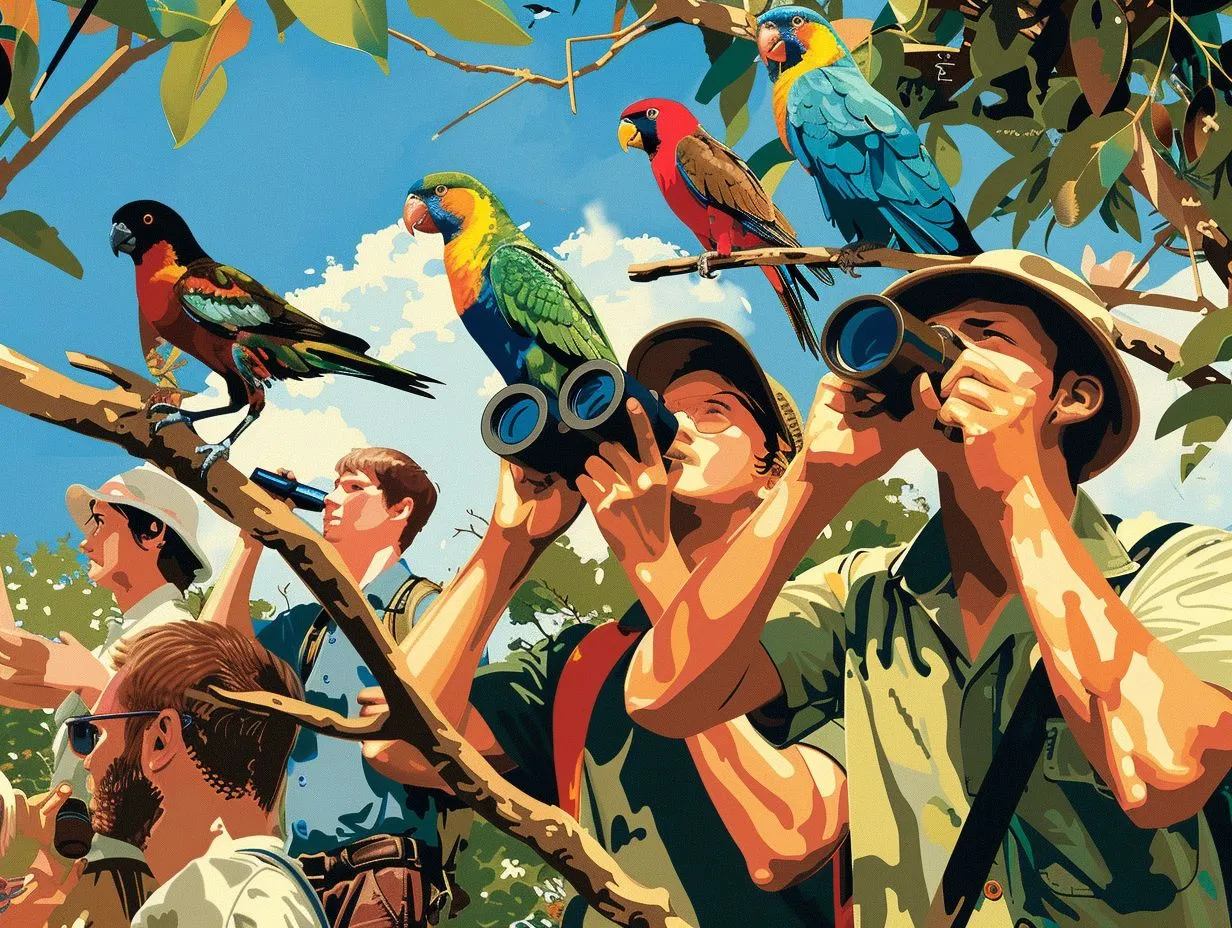
You need almost nothing to start bird watching while camping in the UK. A pair of 8x42 binoculars, the free Merlin Bird ID app on your phone, and the willingness to be up and quiet at first light will get you further than any amount of expensive kit. A tent already puts you where the birds are, at the hour they are busiest, which is the single biggest advantage most birders never get.
This is the beginner's version: what to pack, how to actually see and hear birds rather than scare them off, and what turns up where and when across Britain. It sits within our wider guide to camping pests in Britain, the wildlife hub here at Camping Sites in Britain, where you can find and compare campsites near the best birding country in the country.
The kit that matters
Three things do almost all the work: binoculars, an ID app and a field guide. Everything else is optional.
Binoculars: get 8x42
For a first pair, 8x42 is the answer, and it is the size most experienced British birders carry too. The first number is magnification and the second is the width of the front lenses in millimetres. Eight times is enough to fill the view with a robin at 20 metres yet steady enough to hold without the image shaking, and 42mm lenses pull in plenty of light for the dawn and dusk sessions when birds are most active.
Higher magnification such as 10x sounds better but wobbles more and dims faster in low light, which is the wrong trade for a beginner. A solid entry pair costs around £70 to £150 and will show you everything on this page.
The Merlin Bird ID app
Download the Merlin Bird ID app before you go, and add the Great Britain and Ireland species pack while you still have wifi. It is free, it is built by the Cornell Lab of Ornithology, and it does two things brilliantly. Photo ID names a bird from a picture, and Sound ID listens through your phone's microphone and labels the songs and calls around you in real time, which is genuinely uncanny the first time a name pops up for a noise you could not place.
Sound ID is the fastest way to learn calls, because it puts a name to what you are hearing at the moment you hear it. Treat it as a tutor rather than gospel: it occasionally guesses in a noisy dawn chorus, so confirm anything surprising with your eyes.
A field guide and the small stuff
A paper field guide still earns its place, because flicking between similar species on a page teaches your eye better than a search box does. The Collins Bird Guide is the standard British reference. Beyond that, wear dull greens and browns rather than bright colours, and bring a flask, because most good birding involves sitting still and getting cold.
Fieldcraft: how to actually see birds
Birds notice you long before you notice them, so the whole game is being early, quiet and patient. A campsite hands you the early part for free.
Be up for the dawn chorus
The hour around sunrise is the best birding of the day, every day. The dawn chorus, when male birds sing to defend territory and attract mates, starts up to an hour before sunrise and is loudest from late April through June. Robins and blackbirds usually lead, wrens and song thrushes pile in, and by full light it has quietened down. Camping is the only realistic way to be sitting outside, coffee in hand, when it begins. International Dawn Chorus Day falls on the first Sunday of May, which is 3 May in 2026, if you want a date to aim a trip at.
Keep still and keep quiet
Movement and noise clear a hedge faster than anything. Sit still with your back to a bush or a tent, let the wood settle, and birds return within a few minutes as if you were not there. Approach slowly and at an angle rather than walking straight at a bird, avoid sudden movements when you raise your binoculars, and talk in a low voice. Let the birds come to you, which near a quiet pitch they reliably do.
Learn the calls, not just the looks
Experienced birders find most birds by ear, because you hear ten for every one you see. You do not need to memorise a library. Start with the five or six you will hear constantly at any British campsite, the robin, wren, blackbird, chaffinch, great tit and wood pigeon, and let Merlin's Sound ID fill in the rest. Once those are locked in, an unfamiliar call stands out immediately and tells you where to point the binoculars.
For more on watching without disturbing, our guide to ethical wildlife watching for campers covers keeping your distance from nests and sensitive species.
What you can see, by habitat
Where you pitch decides what you see, because each habitat holds its own cast of birds. Pick your campsite for the habitat you fancy and you have half the work done.
| Habitat | Birds to look for | Good places |
|---|---|---|
| Woodland | Blue and great tit, robin, wren, chaffinch, nuthatch, treecreeper, great spotted woodpecker, tawny owl at night | New Forest, Forest of Dean, Highland pinewoods |
| Wetland and river | Grey heron, little egret, kingfisher, moorhen, coot, reed and sedge warbler, lapwing | Norfolk Broads, Somerset Levels, Lincolnshire washes |
| Coast and estuary | Oystercatcher, curlew, redshank, dunlin, gannet, and puffins, guillemots and razorbills on the cliffs | Pembrokeshire, north Norfolk, Yorkshire coast |
| Upland and moor | Skylark, meadow pipit, red grouse, curlew, wheatear, buzzard and red kite overhead | Scottish Highlands, Lake District, North York Moors |
| Farmland and hedgerow | Yellowhammer, linnet, swallow, house martin, kestrel, wood pigeon | Almost any lowland campsite in England or Wales |
Pembrokeshire is hard to beat for a first proper seabird trip, with the puffin colonies on Skomer offshore and choughs along the cliffs; browse campsites in Pembrokeshire to be on the coast for it. For water birds and big estuary skies, campsites in Lincolnshire put you near Gibraltar Point and Frampton Marsh, and for eagles, divers and upland species there is nothing like campsites in the Scottish Highlands. If you would rather have the sites picked for you, start with our roundup of the top bird watching sites for campers.
What you can see, by season
The bird calendar changes completely through the year, so the same campsite gives you a different list in May and in December. Here is the shape of the British birding year for campers.
| Season | What is happening | Highlights |
|---|---|---|
| Spring (Mar to May) | Summer migrants pour in and the dawn chorus peaks | Swallows, house martins, warblers, cuckoo, swifts arriving in May |
| Summer (Jun to Aug) | Breeding season and busy seabird colonies | Puffins on Skomer into July, screaming swifts, fledglings everywhere |
| Autumn (Sep to Nov) | Migration in both directions and winter thrushes arriving | Redwings, fieldfares, pink-footed geese, waders massing on estuaries |
| Winter (Dec to Feb) | Wildfowl and waders at their best, gardens busy | Ducks and geese, starling murmurations, the Big Garden Birdwatch in late January |
Late April to early June is the golden window for a beginner: the migrants are back, everything is singing, and the mornings are light and mild. Winter is quieter for variety but spectacular for sheer numbers on the coast.
Get involved with the RSPB
The RSPB is the place to start once you are hooked. The Royal Society for the Protection of Birds is the largest nature conservation charity in Europe and runs more than 200 nature reserves across the UK, most with free or low-cost access, hides and marked trails that are ideal for a day out from a nearby campsite. Its website carries reserve guides, an A to Z of British birds and beginner advice, and its annual Big Garden Birdwatch each January is the simplest way to take part in real recording.
Find your nearest reserves and identification help on the RSPB website, then pitch up within striking distance. Many reserves sit close to good camping, which is the whole point of combining the two.
When you want to bring sightings home, a nest box or feeder camera is the natural next step; our guide to the best wildlife cameras for campers covers what to look for.
Frequently asked questions
What binoculars are best for bird watching while camping?
An 8x42 pair is the standard first choice. Eight times magnification is steady enough to hold without shaking, and 42mm lenses gather plenty of light for dawn and dusk. A solid entry model costs around £70 to £150 and will show you every British bird you are likely to meet.
What is the best time of day to watch birds?
The hour around sunrise. Birds are most active and vocal at first light during the dawn chorus, which starts up to an hour before sunrise and is loudest from late April to June. Camping is the easiest way to be outside and ready when it begins.
Do I need an app to identify birds?
It helps enormously. The free Merlin Bird ID app from the Cornell Lab identifies birds from a photo and, through Sound ID, names songs and calls live through your phone. Add the Great Britain and Ireland pack before you travel so it works without signal.
How do I avoid scaring the birds away?
Move slowly, keep quiet and stay still. Sit with your back to a bush or tent, avoid sudden movements when raising your binoculars, and wear dull greens and browns. Birds return within a few minutes if you let them come to you rather than chasing them.
Where is the best camping for bird watching in the UK?
It depends on the birds you want. Pembrokeshire and the Yorkshire coast are superb for seabirds, Lincolnshire and Norfolk for wetland and estuary species, and the Scottish Highlands for eagles and upland birds. Pick your campsite for the habitat and the birds follow.
What is the RSPB and is it worth joining?
The RSPB is Britain's largest nature conservation charity and runs over 200 reserves, most with hides and trails and many near campsites. Its website is free to use for reserve guides and bird ID, and membership funds the reserves and gets you into them.
The short version
Buy an 8x42 pair of binoculars, put Merlin Bird ID on your phone, camp near the habitat you fancy, and be up and quiet for the dawn chorus. That combination will turn a weekend under canvas into proper birding faster than anything else.
When you are ready to plan the trip, browse campsites across Britain or read our pick of the top bird watching sites for campers to point yourself at the birds.