Wildlife Watching While Camping: How to Do It Responsibly in the UK
· Updated
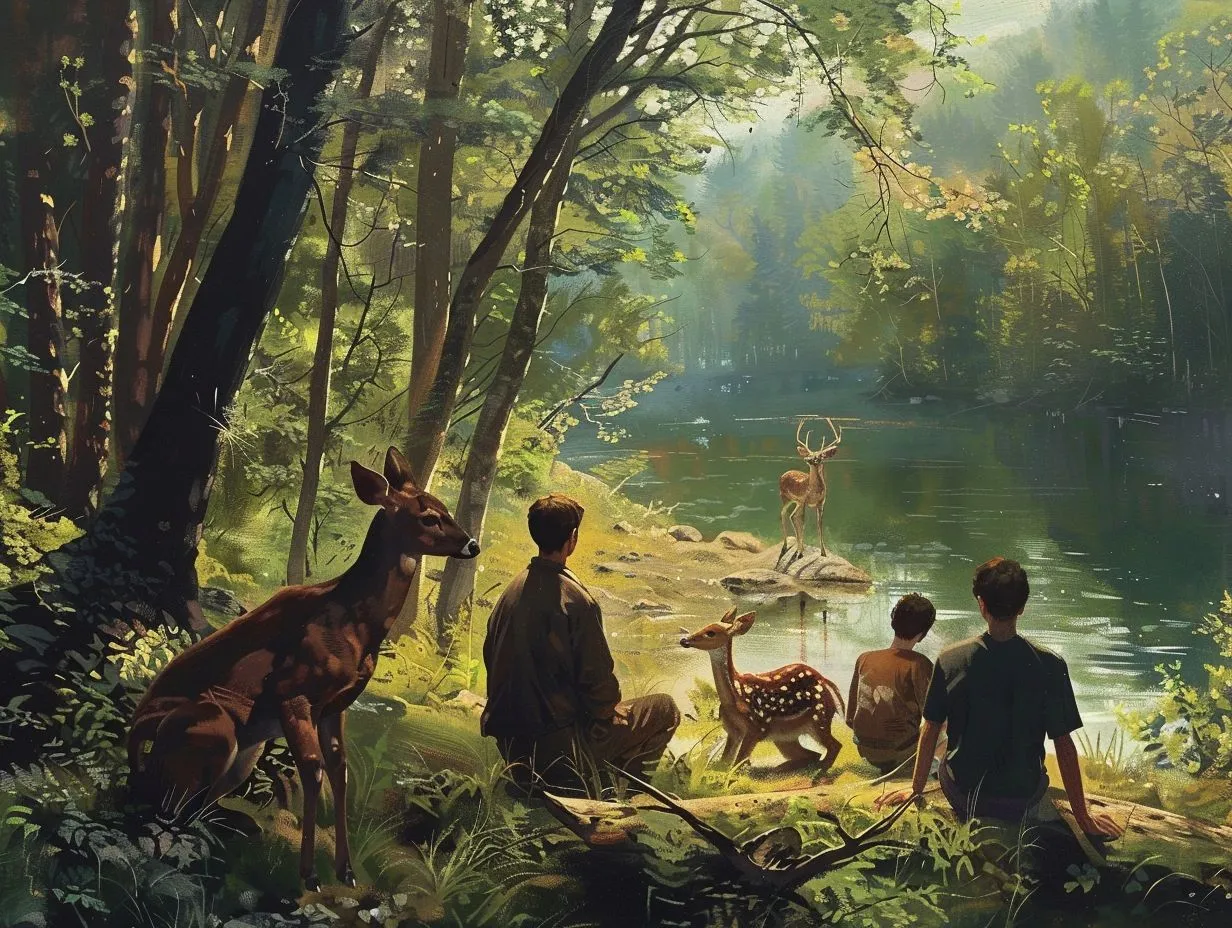
Responsible wildlife watching comes down to one rule: watch, do not interfere. Keep your distance, never feed wild animals, keep your dog under control, and leave every nest, burrow and roost exactly as you found it. Do that and you will see more, not less, because animals that do not feel threatened carry on with their day in front of you.
It is also the law in places. Under the Wildlife and Countryside Act 1981 it is a criminal offence to intentionally or recklessly disturb certain protected species, and the Countryside Code sets out how visitors should behave around nature. This guide covers what that means in practice on a UK camping trip.
It sits alongside our guide to camping pests in Britain, and it is published by Camping Sites in Britain, where you can find and compare campsites, caravan parks and glamping near the best wildlife country in the UK.
Keep your distance
The single most important habit is giving animals space. If your presence changes what an animal is doing, whether it stops feeding, lifts its head to watch you, freezes or moves away, you are too close and should back off. A stressed animal burns energy it needs, abandons feeding grounds, and in the breeding season may desert eggs or young.
Use binoculars or a long lens rather than creeping closer. Stay on paths, move slowly and quietly, wear muted colours, and keep downwind where you can. Never surround an animal or block its escape route, and never approach a young animal that looks abandoned. Deer fawns, seal pups and fledgling birds are usually left alone deliberately while a parent feeds nearby, and handling them does real harm.
A pair of decent binoculars does more for wildlife watching than any amount of stealth. If you want to record what you see without getting close, our guide to the best wildlife cameras for campers covers trail cameras and long lenses that do the job from a respectful distance.
Never feed wild animals
Feeding wild animals is one of the few things the Countryside Code tells you not to do, and for good reason. It states plainly: do not feed livestock, horses or wild animals, as it can cause them harm. Fed animals lose their natural wariness, gather in unnatural numbers, become aggressive towards people, and grow dependent on food that is often bad for them.
The clearest example is the herring gull at a coastal campsite. Feed one once and it will return all week, bring others, and start taking food straight from hands and plates. The same goes for foxes, ducks, swans, ponies and deer. Bread, crisps and picnic scraps do not belong in a wild animal's diet, and habituated animals frequently end up being culled as a nuisance. The kindest thing you can do is keep your food to yourself.
Store food in sealed hard boxes, clear up scraps, and walk rubbish to the bins rather than leaving it out. This also keeps mice, foxes and wasps away from your pitch, which we cover in the camping pests in Britain guide.
Keep dogs under control
A loose dog is the most common way campers disturb wildlife without meaning to, and the rules are stricter than most people realise. The Countryside Code requires you to keep your dog on a lead or in sight and under close control at all times, and to be confident it will return on command.
On Open Access land there are two hard requirements. You must put your dog on a lead around livestock. Separately, between 1 March and 31 July you must keep your dog on a lead on Open Access land even where there is no livestock, because that is the breeding season for ground-nesting birds. Skylarks, curlews, lapwings, nightjars and many others nest directly on moorland, heath and dune, where their eggs and chicks are invisible and easily trampled or flushed by a roaming dog.
| Situation | What the Countryside Code requires |
|---|---|
| Open Access land, 1 March to 31 July | Dog on a lead, even with no livestock present |
| Near livestock (any time, Open Access land and the coast) | Dog on a lead |
| Cattle threaten you and your dog | Let the dog off the lead and take the quickest route out |
| Everywhere else | Dog under close control and in sight, returns on command |
| Ground-nesting bird areas (moor, heath, dune) | Lead on, keep to paths, do not let the dog range |
Always clean up after your dog too. Bag it and bin it, even on a remote moor, because dog mess spreads disease to livestock and wildlife. If you are travelling with a dog, choose a site that welcomes them and understands the local ground rules.
Do not disturb nesting or breeding animals
Breeding season is when disturbance does the most damage and when the law bites hardest. Spring and early summer are when birds are on eggs, mammals have dependent young, and a few minutes of human presence can cause a parent to abandon a brood for good.
Under the Wildlife and Countryside Act 1981 it is an offence to intentionally or recklessly disturb any wild bird listed on Schedule 1 while it is nest building, or at a nest containing eggs or young. Schedule 1 covers specially protected species such as barn owls, kingfishers, avocets, ospreys and Dartford warblers. The Act also protects certain mammals, reptiles and amphibians, so it is an offence to disturb species like otters, bats, great crested newts and adders at their shelters. Penalties include fines and, in some cases, a prison sentence.
In practice this means: do not approach a nest, roost or den to get a better look or a photograph, do not linger where a bird is clearly agitated and calling at you, and never handle eggs or young. If an animal is alarming at you, you are the problem. Retreat quietly and give it room.
Do not damage the habitat
Leave the place exactly as you found it, because the habitat matters as much as the animals living in it. The Countryside Code asks visitors to leave rocks, stones, plants and trees as they are, and to cause no damage or disturbance. A wildflower meadow, a rock pool or a patch of heath is somebody's home.
- Keep to established paths to avoid trampling vegetation and crushing nests or burrows
- Do not pick wildflowers, pull up plants or strip bark, and never dig up bulbs or seedlings
- Leave logs, stones and rock pools undisturbed, and put anything you turn over back the way it was
- Take all litter home, including fruit peel and food waste, which alters animal behaviour and diet
- Follow Leave No Trace principles and never light a fire where it is not expressly permitted
Choosing where to pitch matters too. The best wildlife trips start with the right base, and our roundup of the best campsites for viewing wildlife points you at sites near reserves and rich habitat without camping on top of it.
Follow the Countryside Code and the law
Two documents cover almost everything a wildlife watcher needs to know: the Countryside Code and the Wildlife and Countryside Act 1981. The Code is guidance on how to behave. The Act is law with real penalties. Between them they set the standard for a responsible trip.
The Countryside Code's core wildlife points are to keep dogs under control, not to feed wild animals, and to take care not to disturb wildlife, including birds that nest on the ground. In Scotland the equivalent is the Scottish Outdoor Access Code, which grants wide access rights in exchange for responsible behaviour around wildlife, farming and other people. Wherever you are, the principle is the same: your right to be there depends on leaving nature undisturbed.
For quieter mornings and richer sightings, base yourself near real wildlife country. The Highlands offer red deer, pine martens, golden eagles and otters, while the Lake District and Cumbria add red squirrels and ospreys. Browse the full campsite directory to find a pitch close to the habitat you want to watch.
When and where to watch UK wildlife
Timing changes everything, because most British wildlife is active at dawn and dusk rather than the middle of the day. Get up early, stay out late, and keep still. Different seasons bring different highlights, and knowing what to expect saves you from blundering into a breeding colony at the worst moment.
| Season | What to look for | Watch point |
|---|---|---|
| Spring (March to May) | Nesting birds, bluebells, badger cubs, frog and toad spawn | Dogs on leads on Open Access land from 1 March. Keep well back from nests |
| Summer (June to August) | Seabird cliffs, dolphins, dragonflies, bats at dusk | Ground-nesting birds until 31 July. Give seal and seabird colonies a wide berth |
| Autumn (September to November) | Red deer rut, salmon runs, migrating geese, fungi | Rutting stags are unpredictable at close range. Keep back and keep dogs leashed |
| Winter (December to February) | Starling murmurations, wildfowl, mountain hares, seal pups | Cold-stressed animals tire fast. Watch briefly and move on |
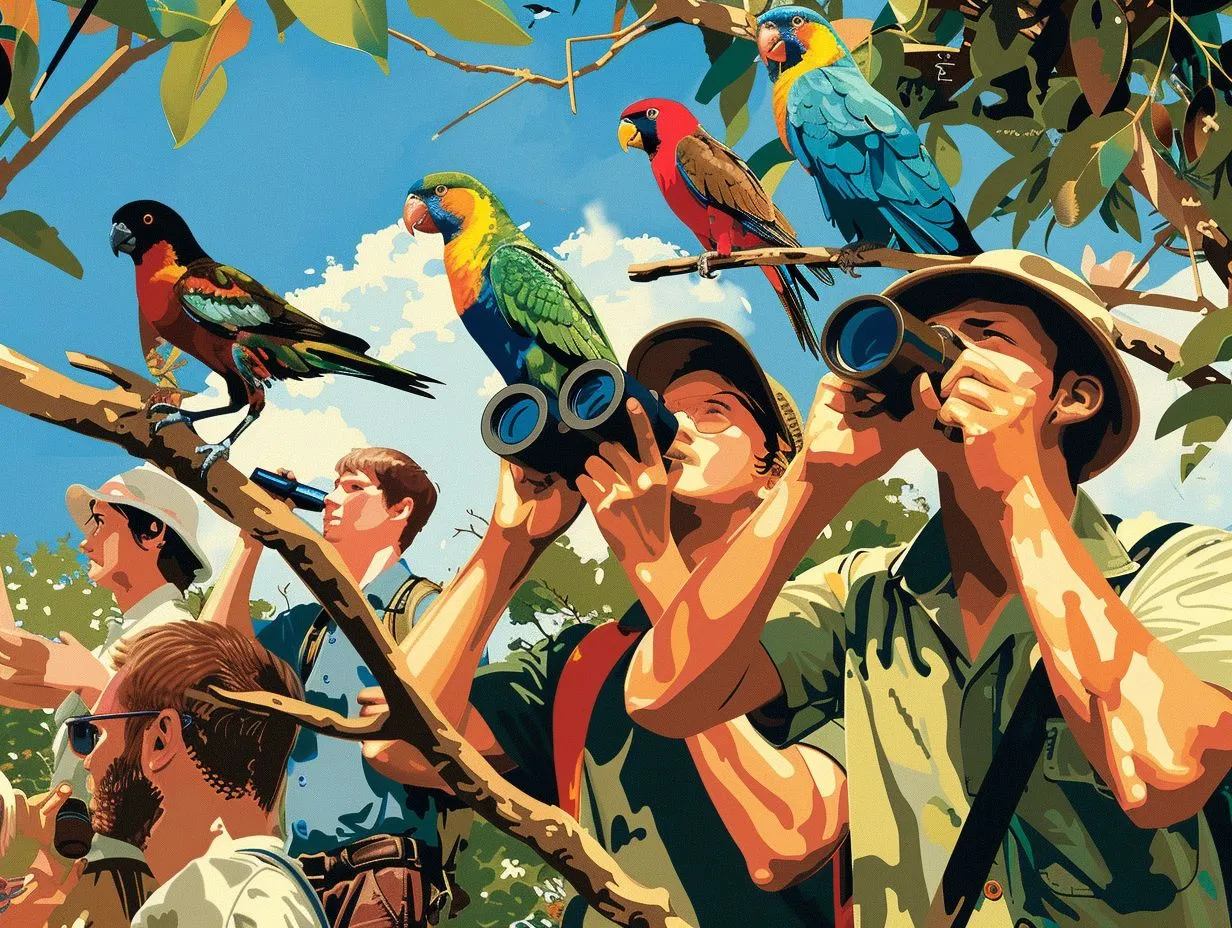
Bird watching is where most campers start, and it rewards patience more than any other kind of wildlife watching. Our guides to bird watching while camping and the top bird watching sites for campers cover the best UK reserves, hides and species to look out for.
Frequently asked questions
Is it illegal to disturb wildlife in the UK?
Yes, in many cases. The Wildlife and Countryside Act 1981 makes it a criminal offence to intentionally or recklessly disturb certain protected species, including Schedule 1 birds while nesting and animals such as bats, otters and great crested newts at their shelters. Penalties include fines and possible imprisonment.
When do dogs have to be on a lead on Open Access land?
Between 1 March and 31 July you must keep your dog on a lead on Open Access land, even where there is no livestock, to protect ground-nesting birds. You must also lead your dog around livestock at any time of year, on Open Access land and at the coast.
Why should you never feed wild animals when camping?
Feeding wild animals harms them. The Countryside Code advises against it because fed animals lose their natural wariness, become aggressive, gather unnaturally and grow dependent on unsuitable food. Herring gulls, foxes and deer that learn to raid campsites often end up treated as pests.
How close can you get to wildlife when watching it?
Stay far enough away that the animal does not change its behaviour. If it stops feeding, stares at you, freezes or moves off, you are too close. Use binoculars or a long lens instead of approaching, and never surround an animal or block its escape.
What should I do if I find a baby bird or deer fawn?
Leave it alone. Fledglings, fawns and seal pups are usually left deliberately while a parent feeds nearby. Handling them or moving them causes the parent to abandon them. Keep dogs away, back off, and only contact a wildlife rescue if the animal is clearly injured.
Do the same rules apply in Scotland?
Broadly yes. Scotland has wider access rights under the Land Reform (Scotland) Act 2003, but the Scottish Outdoor Access Code requires the same responsible behaviour: keep your distance, control dogs, do not feed or disturb wildlife, and avoid breeding and nesting sites.
The short version
Watch, do not interfere. Keep your distance, never feed wild animals, keep your dog on a lead on Open Access land from 1 March to 31 July and around livestock year round, and leave every nest and habitat undisturbed. The Wildlife and Countryside Act 1981 turns the worst disturbance into a criminal offence, so the responsible choice is also the legal one.
Get those basics right and you will see far more wildlife, because calm animals stay put. Pick a pitch near the action from our guide to camping pests in Britain and the wider campsite directory, and enjoy the show.