
Kayaking and Camping in the UK: Types, Kit and Where to Go
· Updated
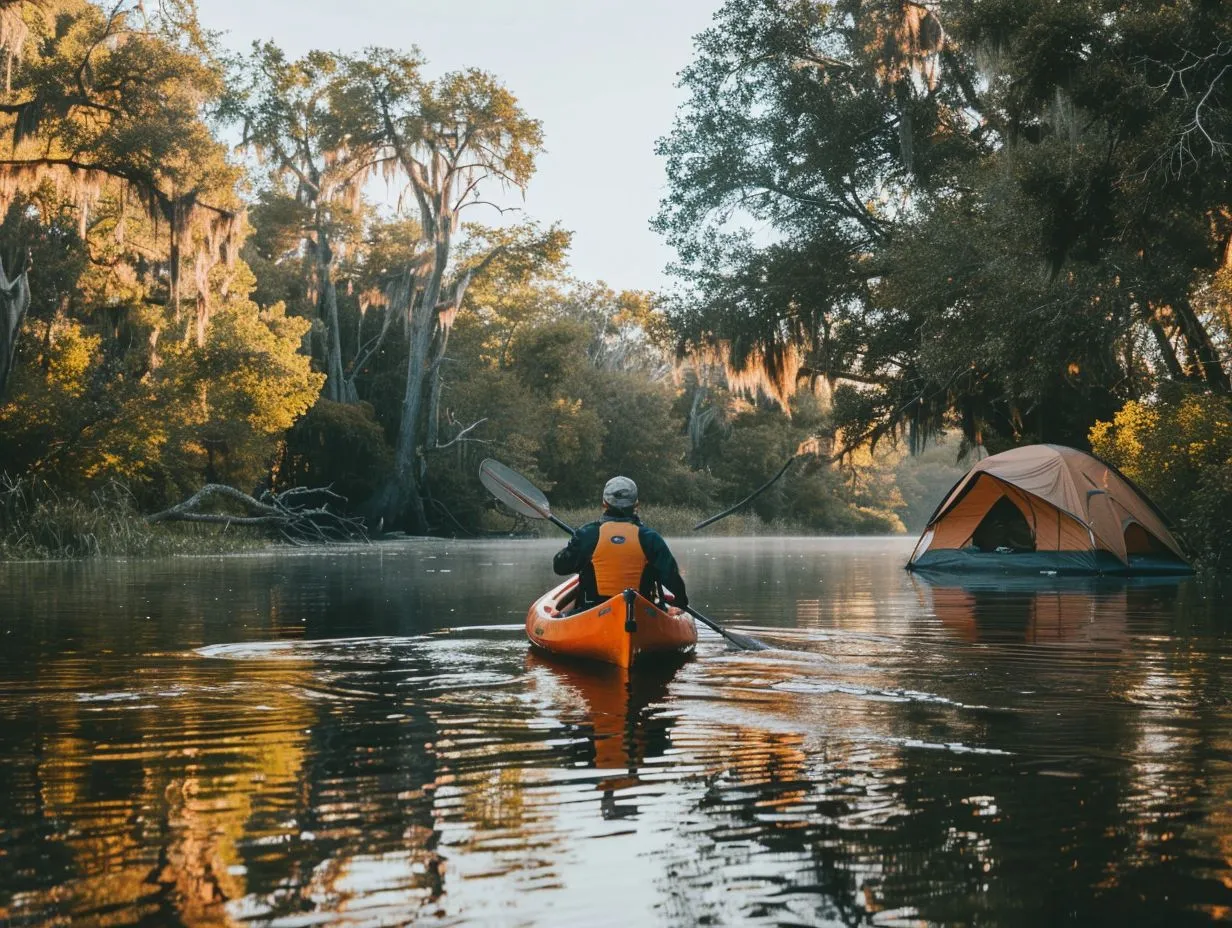
Combining kayaking and camping in the UK comes down to four decisions: the right boat for the water you are on, a buoyancy aid you actually wear, a licence where the law asks for one, and a pitch close enough to the water to make the whole thing easy. Get those sorted and the rest is just paddling and pitching up.
This guide covers the types of kayak, the great paddling regions, the kit that matters, the access rules for inland water, and the safety points that keep a trip fun rather than frightening. It is one of the water-based guides from Camping Sites in Britain, and it sits alongside our roundup of campsites with water sports facilities, where you can find pitches with launch access and hire on site.
If you already know your boat and just want to load it, skip ahead to our companion guide on how to pack a kayak for camping. For set routes, see the best canoe camping routes.
The types of kayak, and which one you need
The boat you choose should match the water, not the other way round. A sit-on-top is forgiving on a warm lake day, a sea kayak eats distance on the coast, a whitewater boat handles moving rivers, and an inflatable fits in a car boot. Here is how they compare.
| Type | Best for | Watch out for |
|---|---|---|
| Sit-on-top | Beginners, families, warm days, sheltered lakes and slow rivers. Stable, easy to climb back onto, self-draining | Slow over distance, wet, poor in wind and cold |
| Touring or sea kayak | Distance, open water and the coast. Long, fast, holds a course, carries kit in sealed hatches | Needs skill and a spray deck; not a first-day boat |
| Whitewater kayak | Moving rivers, rapids and play. Short, tough and manoeuvrable | Requires training, a helmet and a roll; useless for flat-water distance |
| Inflatable kayak | Campers short on space. Packs into a car boot or a rucksack, quick to inflate | More affected by wind, slower, keep to sheltered water |
For camping specifically, a touring sit-on-top or a sea kayak with hatches makes life easiest, because you can stow a tent, a sleeping bag and dry bags without lashing everything to the deck. Inflatables are the sensible pick if you are driving to a lake for the weekend rather than paddling point to point.
Great UK kayaking regions
Britain gives you sea lochs, open coast, glacial lakes, lowland waterways and quiet estuaries, often within an hour of a campsite. These are the regions worth building a trip around.
- The Scottish sea lochs and islands. Sheltered saltwater, sea eagles and seals, and island-hopping around places like the Summer Isles and Arisaig. This is world-class sea kayaking with campsites right on the shore. Browse pitches across the Highlands.
- The Pembrokeshire and Cornwall coasts. Sea caves, stacks and clear water, best in settled summer weather. Pembrokeshire in west Wales has coastal campsites made for it.
- The Lake District lakes. Derwentwater, Ullswater and Coniston are calm, scenic and beginner-friendly, with hire everywhere. Find sites across the Lake District and Cumbria, and read our detailed guide to kayaking in the Lake District.
- The Norfolk Broads. Flat, slow and sheltered, a network of rivers and lakes that is about as gentle as UK paddling gets. Ideal for a first multi-day trip with children.
- The Anglesey coast. Tidal races, quiet bays and dramatic scenery off north Wales. Rewarding, but the tides here demand experience and planning.
The kit you need
A buoyancy aid is the one non-negotiable, and it works only when you are wearing it. Everything else on this list is about staying warm, dry and in control, and about protecting your gear from the water.
- A buoyancy aid or PFD. Worn at all times on the water, correctly fitted and done up. A capable swimmer can still be overwhelmed by cold water shock, and a buoyancy aid keeps you at the surface while you recover.
- A helmet. Essential on whitewater and any rocky, moving river. Not needed on flat lakes.
- A wetsuit or drysuit. UK water is cold most of the year, including in summer. A wetsuit covers warmer months; a drysuit is worth it for spring, autumn and the sea.
- A spray deck. Keeps water out of a cockpit kayak and keeps you warm. Learn to release it before you rely on it.
- Dry bags. Roll-top bags keep your tent, sleeping bag, phone and spare layers dry. Clip them in so they stay with the boat in a capsize.
Once you have the boat and the kit, loading it well is its own skill: keep heavy items low and central, and balance the weight front to back. Our guide to how to pack a kayak for camping walks through it.
Access and licences
On many inland waterways in England and Wales you need a waterways licence, and the easiest way to get one is through British Canoeing membership, which includes a licence covering most canals and many managed rivers. Buying it as membership usually works out cheaper than a standalone licence and adds insurance and training benefits.
The rules split three ways across Britain:
- England and Wales inland water. Canals and many rivers are managed by the Canal and River Trust and the Environment Agency, and you need a licence to paddle them. British Canoeing membership is the simplest route and covers the great majority of them. Check the current detail on the British Canoeing membership pages.
- Scotland. There is a statutory right of responsible access to most inland water under the Scottish Outdoor Access Code, so you do not need a licence to paddle Scottish lochs and rivers. Follow the code and respect other users.
- The sea. Tidal water and the coast around the whole of the UK are open, with no licence required. Access and safety, not permission, are the things to plan for.
Staying safe on the water
Cold water is the biggest risk in UK paddling, not distance or waves. Water cold enough to trigger cold water shock is present here for most of the year, which is exactly why the buoyancy aid goes on before you launch and stays on.
Build these habits and you cover the main hazards:
- Respect cold water. Dress for the water temperature, not the air. If you go in, the RNLI advice is to fight the urge to thrash, lean back and float until the shock passes, then get out or get help.
- Watch tides and offshore wind on the sea. An offshore wind pushes you away from the shore and is far stronger than it feels from the beach. Learn the tide times before you launch, and treat the coast as advanced paddling.
- Avoid weirs on rivers. Weirs, sluices and fallen trees are the real dangers on inland water. Get out and portage around anything you are unsure of.
- Do not paddle alone as a beginner. Go with others or with a club, and stay within sight of the bank or shore while you learn.
- Check the forecast and tell someone your plan. Note where you launch, your route and your expected return time, and leave those details with someone on land.
- Get some training. A single beginner course from a club or provider teaches you to capsize, recover and read water, and it is the best money you will spend. See the RNLI kayaking and canoeing safety advice for a full checklist.
Frequently asked questions
Do I need a licence to kayak in the UK?
On most canals and many rivers in England and Wales, yes, and British Canoeing membership is the simplest way to hold one. Scotland has open access under the Scottish Outdoor Access Code, so no licence is needed there, and the sea is free to paddle everywhere.
What kind of kayak is best for camping?
A touring sit-on-top or a sea kayak with sealed hatches is best, because you can stow a tent and dry bags out of the way. An inflatable kayak is a strong choice if you are driving to a lake and short on car space.
Do I have to wear a buoyancy aid when kayaking?
You should wear one at all times on the water. It is not a legal requirement on most inland water, but cold water shock can overwhelm even strong swimmers, and a correctly fitted buoyancy aid keeps you afloat while you recover.
Where is the best place to kayak and camp in the UK?
The Lake District and the Norfolk Broads are the friendliest for beginners. The Scottish sea lochs, Pembrokeshire and Anglesey offer the most dramatic paddling, but the coast and tidal water there need experience and planning.
Is kayaking in the sea safe for beginners?
Sea kayaking is advanced. Tides, offshore wind and cold water make it risky without training, so beginners should start on sheltered lakes or slow rivers and build skills with a club before heading out onto the coast.
Do I need training to start kayaking?
You can start on calm, sheltered water without formal training, but a beginner course is strongly worth it. Learning to capsize, recover and read water from a club or provider is the single best thing you can do for safety.
The short version
Match the boat to the water, wear a buoyancy aid every time, sort a British Canoeing licence for inland England and Wales, and start somewhere sheltered while you learn. Cold water and tides are the real risks, and both are manageable with a forecast check and a plan left with someone on land.
Then all that is left is finding a pitch by the water. Browse campsites with water sports facilities, or search the full listings at Camping Sites in Britain.