The Best Fishing Spots Near Campsites in the UK
· Updated
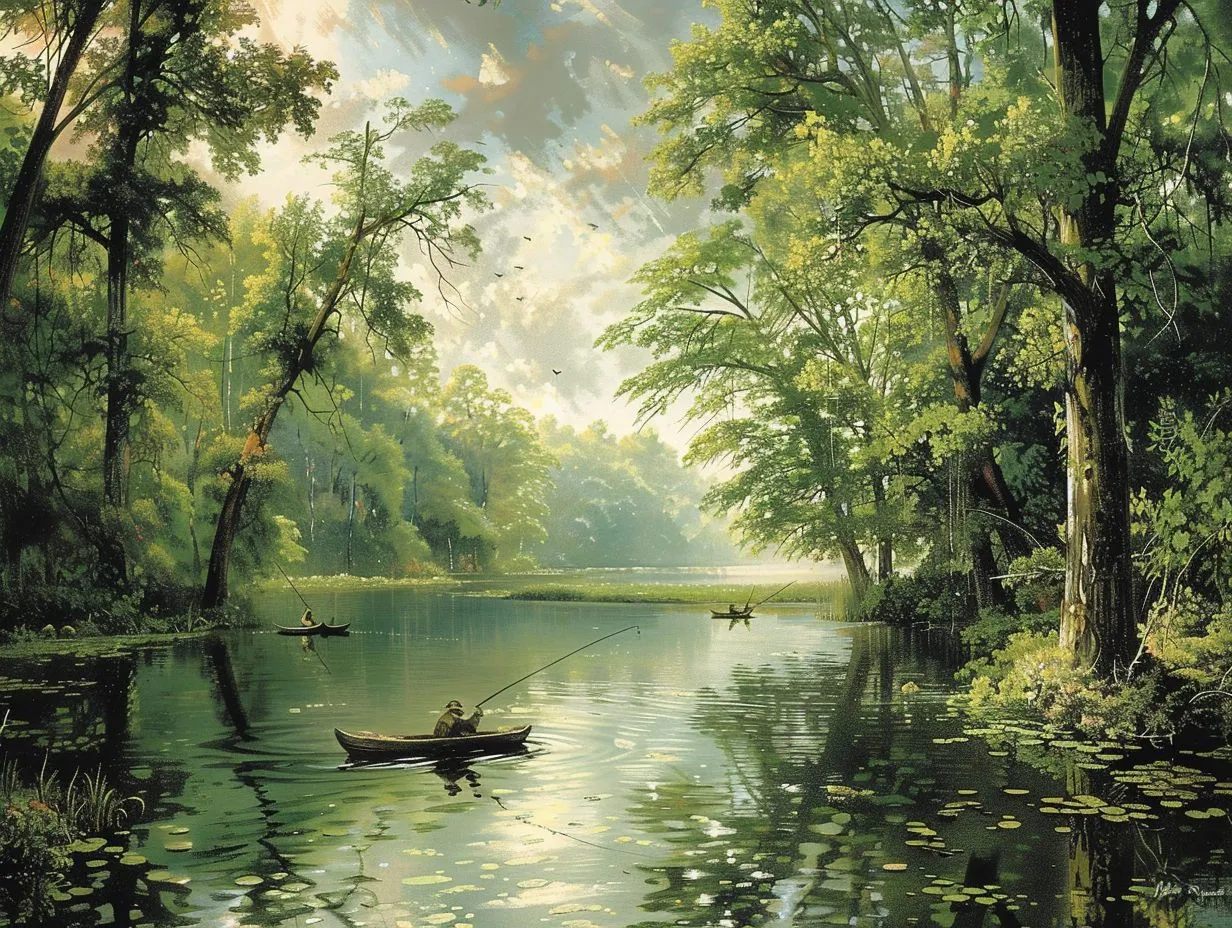
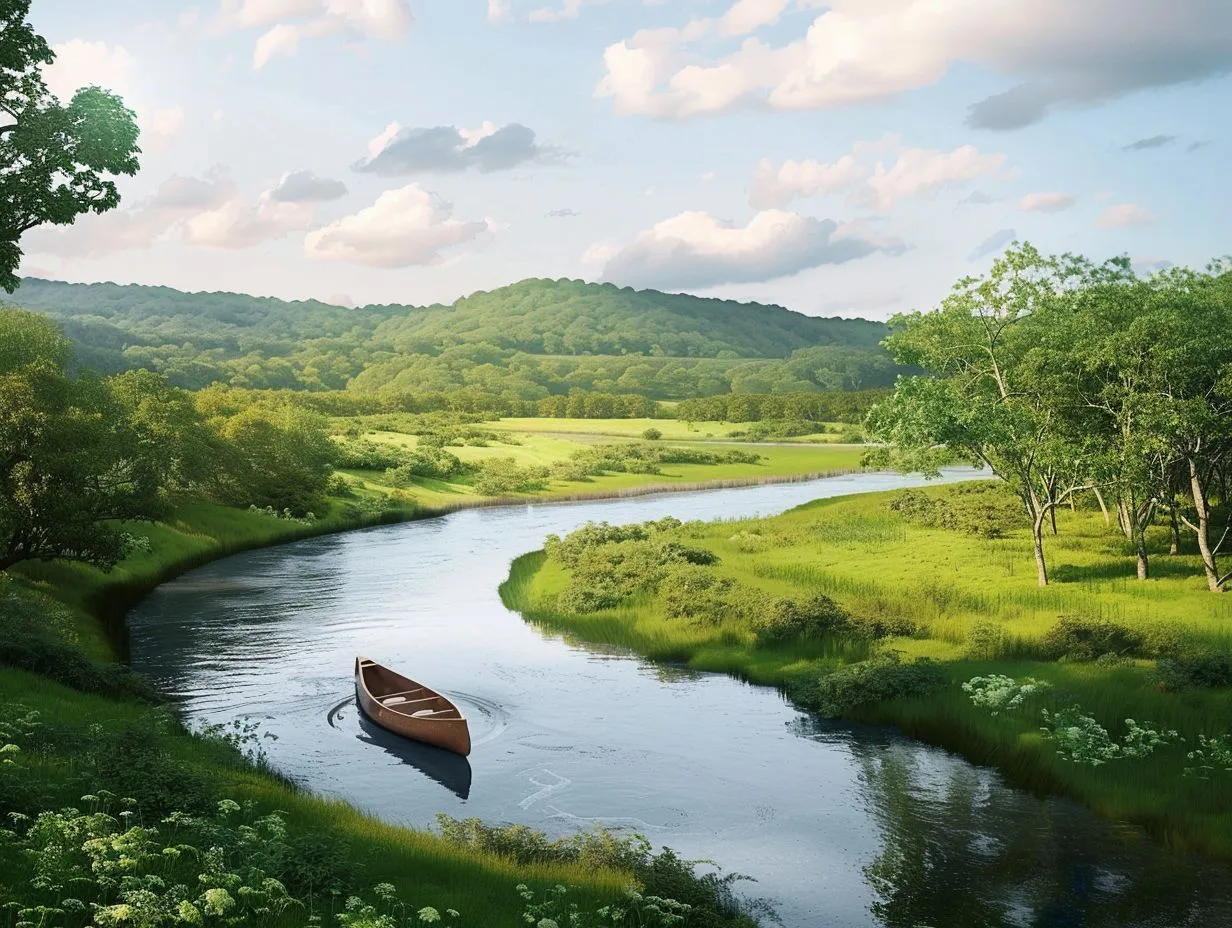
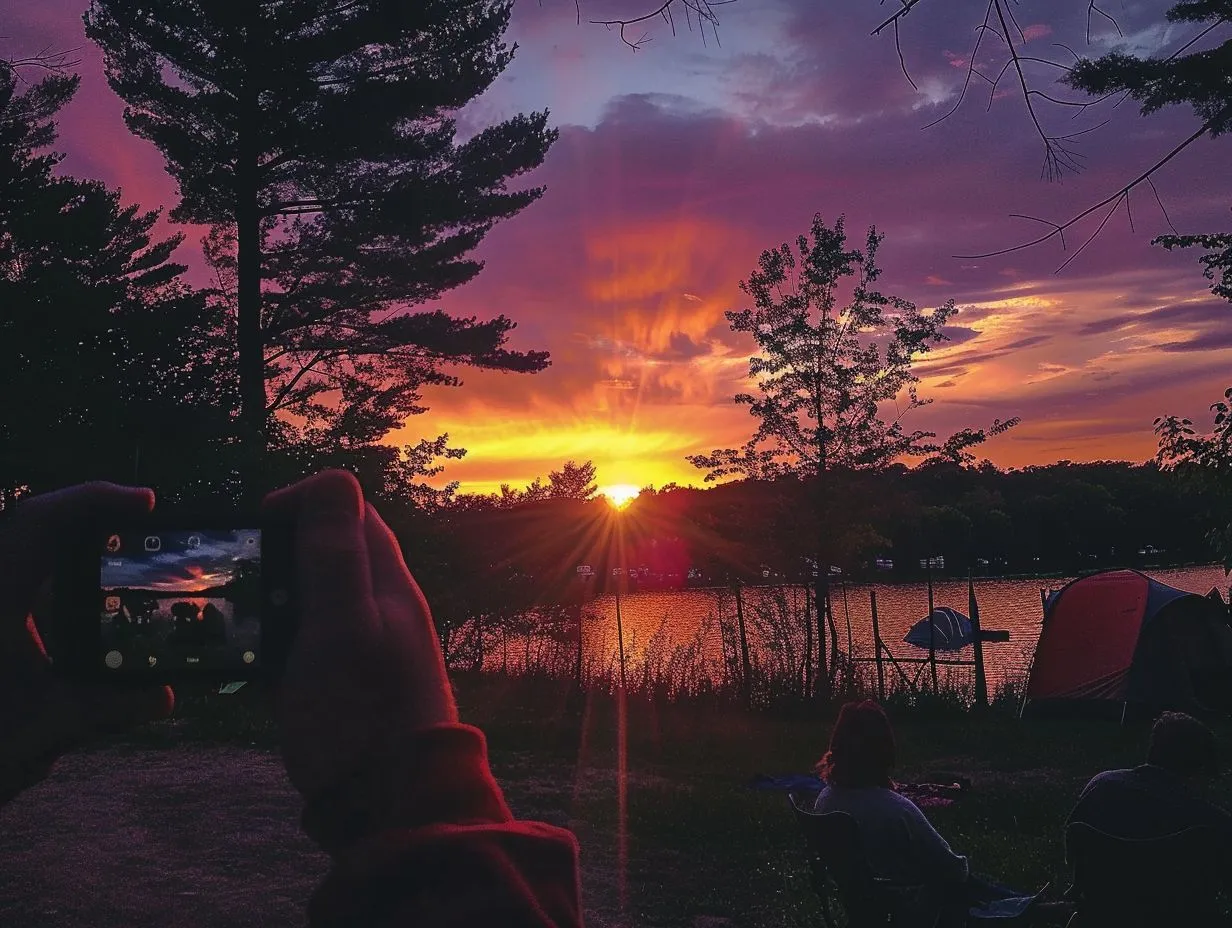
The best fishing near a campsite depends on the fish you want. Coarse anglers head for still waters, canals and commercial fisheries such as the Norfolk Broads and the Fenland drains. River anglers want the Wye, the Hampshire Avon or the Tweed. Game anglers chase trout and salmon on the Highland lochs, the Hampshire chalk streams and the big Midlands reservoirs. Sea anglers work the beaches and piers of Cornwall, Devon, Pembrokeshire and Northumberland. Many campsites and holiday parks even have their own coarse lake on site.
Two rules apply almost everywhere in England and Wales before you cast. You need a valid Environment Agency rod fishing licence for coarse fish, trout, salmon and eels, and you need separate permission or a day ticket for the particular water. Sea fishing needs neither. We cover the detail below.
This guide sits alongside our roundup of campsites with water sports facilities, and it comes from Camping Sites in Britain, where you can find and compare sites near almost any water in the country. For the how-to and the ethics of the sport, see our companion guide to sustainable fishing while camping.
The four types of UK fishing, and where to camp for each
British fishing splits into four broad types, and each one points you at different waters and different campsites. Pick the type first, then choose the water and the pitch.
| Type | Target fish | Classic waters | Rod licence needed? |
|---|---|---|---|
| Coarse fishing | Carp, bream, roach, tench, pike, perch | Norfolk Broads, Fenland drains, commercial fisheries | Yes |
| River fishing | Barbel, chub, roach, grayling | River Wye, Hampshire Avon, River Tweed | Yes |
| Game fishing | Brown trout, rainbow trout, salmon | Highland lochs, the Test and Itchen, Rutland Water | Yes |
| Sea fishing | Bass, mackerel, cod, pollack, ray | Cornwall, Devon, Pembrokeshire, Northumberland coasts | No |
Coarse fishing: still waters, canals and commercial fisheries
Coarse fishing is the easiest way in, and the best coarse waters often have camping on the doorstep. You fish for carp, bream, tench, roach, perch and pike in lakes, ponds, canals and slow rivers, usually from a numbered peg on the bank.
The Norfolk Broads are the classic coarse destination, with big bream and pike across a network of lakes and rivers ringed by campsites and holiday parks. The Fenland drains of Cambridgeshire and Lincolnshire hold huge heads of roach, bream and zander in dead-straight channels that are easy to fish. Commercial fisheries are the reliable choice for a family trip: stocked lakes with well-kept pegs, on-site facilities and, very often, camping or a holiday park attached, so you can pitch up feet from the water.
If you want a lake without leaving your pitch, plenty of campsites and holiday parks run their own coarse lake, sometimes included with the stay and sometimes on a day ticket. It is the simplest fishing holiday there is: tent, rod, kettle, done.
River fishing: the Wye, the Avon and the Tweed
Rivers give you moving water and hard-fighting fish, and three names stand out. The River Wye, running through Herefordshire and into Wales, is one of Britain's great barbel and chub rivers with campsites along much of its length. The Hampshire Avon is a storied coarse and game river, famous for barbel, chub and roach. The River Tweed, on the Scottish border, is best known for salmon but also holds excellent grayling and trout.
River fishing comes with a calendar. On rivers in England and Wales there is a statutory close season for coarse fish from 15 March to 15 June, when coarse fishing is not allowed. Salmon and trout have their own separate seasons that vary by river, so always check the local dates before you travel. If you fancy sleeping within earshot of the water, our guide to camping near Britain's rivers and streams pairs well with a river fishing trip.
Game fishing: trout and salmon
Game fishing means trout and salmon, and Britain has world-class water for both. The Scottish Highlands offer wild brown trout in remote lochs and salmon in rivers such as the Spey and the Tweed, often with rough camping or small sites nearby and some of the finest scenery in the country. Look at campsites in the Highlands as your base.
In Hampshire, the Test and the Itchen are the definitive chalk streams, gin-clear rivers that are the spiritual home of fly fishing for trout. Access is usually through a beat or a club and can be pricey, but nothing else fishes quite like them. For big open-water trout, the Midlands reservoirs are hard to beat: Rutland Water in Rutland and Grafham Water in Cambridgeshire are two of the largest trout fisheries in England, with boat and bank fishing and camping close by.
Sea fishing: beaches, piers and rock marks
Sea fishing is the one type that needs no rod licence, which makes it the easiest option of all for a coastal camping trip. You fish from beaches, piers, harbour walls and rock marks for bass, mackerel, pollack, cod, ray and more, and mackerel in particular will keep children busy through a summer evening.
The best coasts for a fishing-and-camping break are well served by sites. Cornwall and Devon give you surf beaches and deep-water rock marks in the south west. Pembrokeshire offers clean water and dramatic cliffs in west Wales. Northumberland has quiet, productive beaches and piers in the north east. Browse campsites in Cornwall or the wider campsite directory to find a base within casting distance of the tide.
The licence and permission rules you must not skip
In England and Wales you need two things to fish legally in fresh water, and getting either wrong can cost you a fine of up to £2,500. First, a valid Environment Agency rod fishing licence to fish for coarse fish, trout, salmon or eel with a rod and line. Second, permission from the fishery, club or landowner for the specific water, usually a day ticket or membership.
You can buy the rod licence online from the government in a couple of minutes. It is free for children under 13, and juniors aged 13 to 16 need a licence too but theirs is issued free of charge. Sea fishing from the shore needs no rod licence at all. Always check the current rules before you go on the official page: gov.uk/fishing-licences.
| Situation | Rod licence? | Extra permission? |
|---|---|---|
| Coarse fishing a lake or river | Yes | Day ticket or club membership |
| Trout or salmon fishing | Yes (with migratory rights for salmon) | Beat, day ticket or membership |
| Fishing a campsite's own lake | Yes | Usually included or a small day fee |
| Sea fishing from a beach or pier | No | Usually none |
Pairing your fishing with the rest of the trip
A fishing base doubles nicely as a base for everything else on the water. If your group is mixed and not everyone fishes, a site with a lake or river also opens up paddling and boating, and our guide to kayaking and camping in the UK is a good companion for the non-anglers. Search the CSIB directory to line up a pitch that suits the whole party.
Frequently asked questions
Do I need a licence to fish while camping in the UK?
Yes, in England and Wales you need an Environment Agency rod fishing licence to fish for coarse fish, trout, salmon or eel. You also need permission or a day ticket for the specific water. Sea fishing from the shore needs no rod licence.
How much is a fishing rod licence and where do I buy it?
You buy it online from the government at gov.uk/fishing-licences. It is free for children under 13, and juniors aged 13 to 16 get one free of charge. Adults pay an annual fee, with short-term one-day and eight-day options available.
Do campsites have their own fishing lakes?
Many do. Plenty of campsites and holiday parks, especially in Norfolk, the Fens and the Midlands, have their own stocked coarse lake, sometimes included in the stay and sometimes on a small day ticket. You still need a valid rod licence to fish them.
Can I fish rivers all year round?
No. Rivers in England and Wales have a statutory coarse fish close season from 15 March to 15 June, when coarse fishing is not allowed. Salmon and trout have their own seasons that vary by river, so check local dates. Many still waters stay open all year.
Where is the best sea fishing for a camping trip?
The Cornwall and Devon coasts, Pembrokeshire in west Wales and Northumberland in the north east are all excellent, with beaches, piers and rock marks and plenty of campsites nearby. Sea fishing needs no rod licence, so it is the easiest option for beginners.
What is the easiest type of fishing for beginners and families?
Coarse fishing at a commercial fishery or mackerel fishing from a pier. Commercial fisheries have well-kept pegs and stocked lakes, often with camping attached, while sea fishing needs no licence and gives children fast action on a summer evening.
The short version
Choose your fishing type first, then the water: coarse lakes and drains, the Wye or Avon for rivers, the Highlands and Hampshire chalk streams for game, and the south west, Welsh and north east coasts for sea fishing. Sort your rod licence and a day ticket before you cast, unless you are sea fishing. Then find a pitch near the water in the Camping Sites in Britain directory and go.