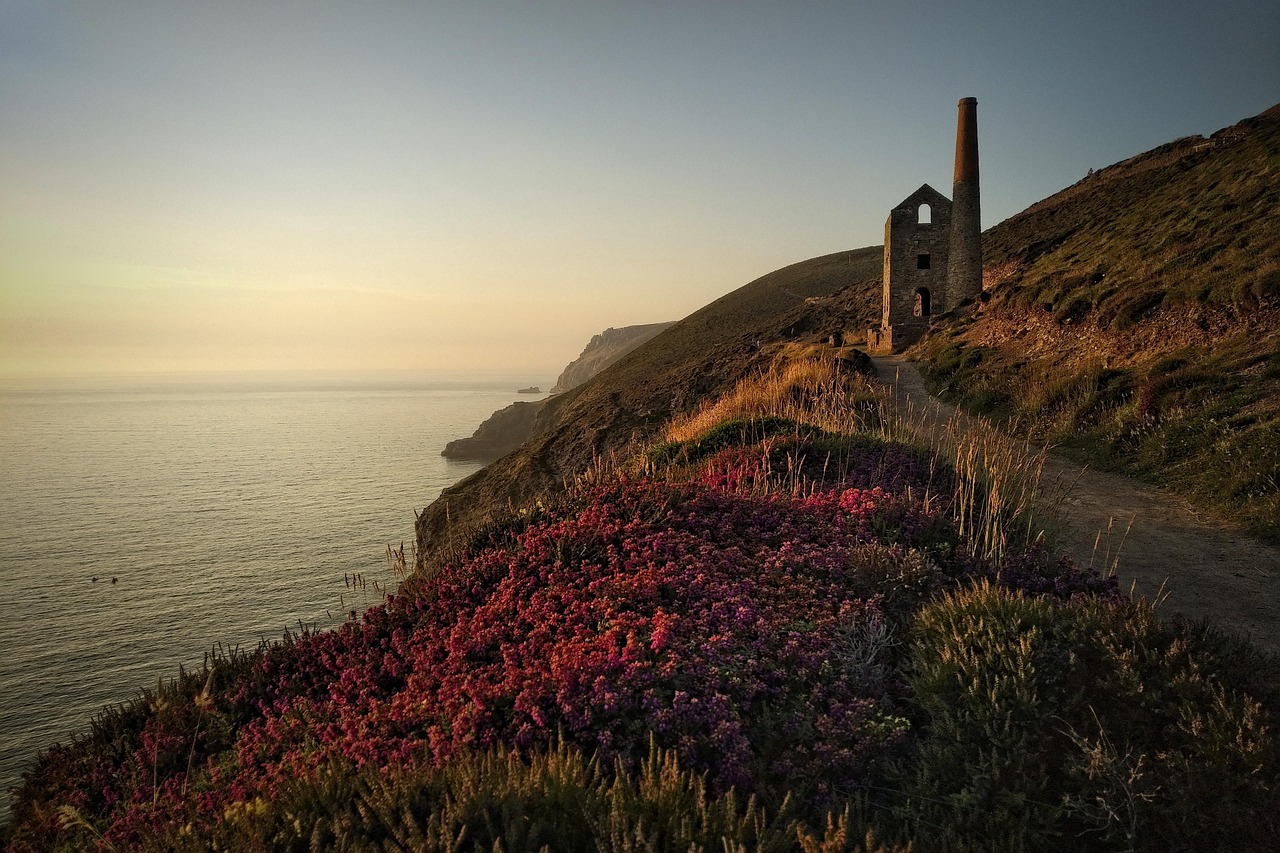
Backpacking for Beginners: Your First Wild Camping Trip in the UK
· Updated
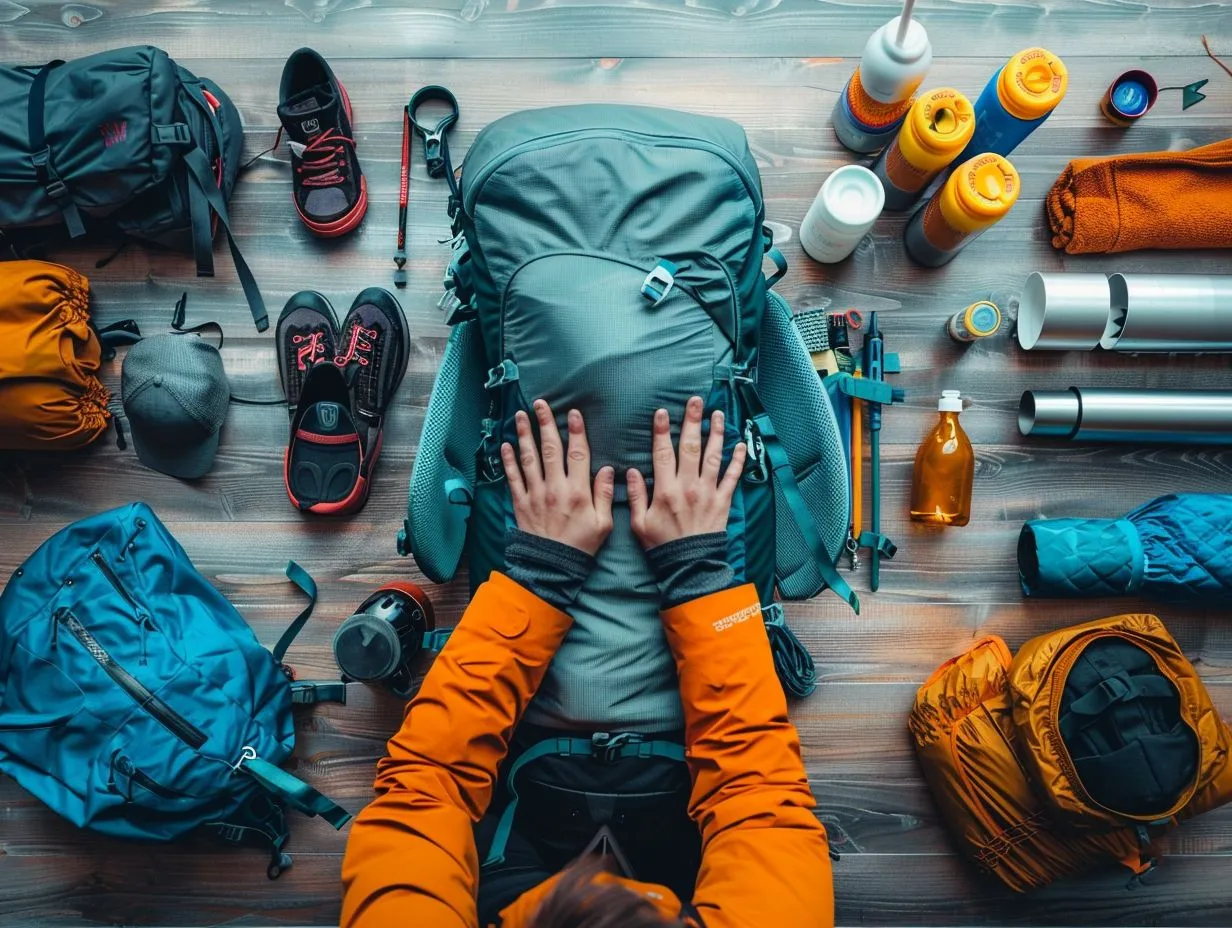
Make your first backpacking trip one night, close to home, on an easy stretch of a marked trail, with a pack that weighs under 12kg. That single decision, to start small, prevents almost every mistake a beginner makes. The romantic version, a remote three-day route in the mountains, is how people end up cold, lost, blistered and put off for good.
Backpacking for beginners in the UK is really four skills stacked together: choosing a gentle route, packing light, camping where it is legal, and reading the weather. Get those right on a short first trip and everything longer becomes an extension of what you already know.
This is part of our guide to planning your first camping trip, from Camping Sites in Britain, where you can find and compare campsites, bothies and wild pitches across the country. If you would rather ease in with a pitch, a tap and a toilet block, our campsite directory is the gentler first step.
Start small: one night, short distance
Your first trip should be a single overnight walk of no more than 8 to 10km to your pitch. That is close enough to bail out if the weather turns, short enough that a heavy first pack will not wreck you, and long enough to feel like a proper adventure.
Pick somewhere you can reach by mid afternoon, giving yourself daylight to pitch, cook and settle before dark, and tell someone your route and expected return time. A first trip within a couple of hours of home means a wrong turn or a broken tent pole is an inconvenience, not a crisis. Save the multi-day, remote routes for trip three or four, once pitching in the dark and packing a wet tent feel routine.
A gentle first route: an easy stretch of a National Trail
The easiest place to learn is a well-waymarked, low-level section of a National Trail, where the path is obvious, villages are close and the ground is forgiving. National Trails are the 16 long-distance routes across England and Wales, plus Scotland's Great Trails, all signed with the acorn or thistle waymark so you rarely need to navigate blind.
| Route | Why it suits beginners | Where |
|---|---|---|
| South Downs Way | Chalk ridge, dry underfoot, regular villages for water and an escape route | Winchester to Eastbourne |
| West Highland Way | Clear path, wild camping is legal, huge sense of scale near Loch Lomond | Milngavie to Fort William |
| Cotswold Way | Gentle gradients, pretty and never remote, easy to walk a short section | Chipping Campden to Bath |
| Hadrian's Wall Path | Flat middle sections, good transport links at both ends | Wallsend to Bowness-on-Solway |
You do not have to walk a whole trail. Pick a 6 to 10km slice with a car park or station at each end and treat it as your out-and-back. The West Highland Way is the standout for a first wild pitch because Scotland's access law puts you on the right side of the rules from the start, which the next section explains.
Where wild camping is actually legal
Wild camping without the landowner's permission is legal in only two parts of Britain: Scotland, and Dartmoor in Devon. Everywhere else in England and Wales, pitching a tent on someone's land without asking is technically trespass, even if it is quietly tolerated in the high fells.
In Scotland, the Land Reform (Scotland) Act 2003 and the Scottish Outdoor Access Code give you the right to wild camp on most unenclosed land, as long as you camp in small numbers, stay away from buildings and roads, and leave no trace. The main exception is the seasonal byelaw around Loch Lomond and the Trossachs, where camping in certain zones needs a permit between 1 March and 30 September. Read the official rules on the VisitScotland wild camping page before you go.
On Dartmoor, the UK Supreme Court confirmed on 21 May 2025 that the public has a legal right to wild camp on much of the common land, the only place in England where that right exists. The National Park publishes a map of where it is permitted, and the ruling is explained by the British Mountaineering Council. Everywhere else, from the Lake District to Snowdonia, you should ask the landowner, use a farm's paid wild-pitch, or book a campsite. Our guide to wild camping covers the etiquette in detail, and essential skills for wild camping covers pitching, water and leaving no trace.
The kit and how much it should weigh
Aim for a loaded pack of no more than 20 to 25 per cent of your body weight, which for most people means keeping the total under 12kg including food and water. Weight is the thing beginners get most wrong, and every extra kilogram is felt in your knees and shoulders by the end of the day.
The heaviest items are your shelter, sleeping bag and pack, so spend your weight allowance there first. You do not need the lightest gear on the market for one night, but you do need to be honest about what you actually use.
- Rucksack: 45 to 60 litres is plenty for one or two nights. A properly fitted hip belt carries the load on your hips, not your shoulders.
- Shelter: a lightweight tent around 1.5 to 2kg, or a tarp and bivvy if you are confident. See our kit notes for the difference between car-camping gear and what you can carry.
- Sleep system: a three-season sleeping bag and an insulated mat. The mat matters as much as the bag, because you lose most of your heat into the ground.
- Clothing: synthetic or merino layers, a waterproof jacket and trousers, a warm hat. No cotton, which stays wet and cold.
- Cooking: a small gas stove, one pot, a mug and a spork. That is the whole kitchen.
- Safety: a head torch, a small first aid kit, a power bank and a fully charged phone.
Lay everything out at home, pack it, then walk around the block with it on. Anything that makes you wince comes out. Work through our pre-camping checklist the night before so nothing essential gets left on the kitchen table.
Navigation with OS maps
Carry an Ordnance Survey map and compass, and know how to use them, even if you also use a phone app. On a waymarked National Trail you will rarely need them, but a phone dies, gets wet or loses signal exactly when you need it, and a paper map does none of those things.
The relevant maps are the OS Explorer series at 1:25,000 scale, which show field boundaries, walls and paths in enough detail to relocate yourself. The OS Maps app is excellent for planning and follows your GPS position on the move, so use both: the app for convenience, the paper map and compass as the backup that always works. Learn to take a bearing and to identify a feature on the ground before your first trip, not during it.
Water and food
Plan for 2 to 3 litres of drinking water per person per day, plus water for cooking, and know where you will refill. Water is heavy, roughly 1kg per litre, so you carry what you need to reach the next reliable source rather than the whole day's supply at once.
On a National Trail you can usually top up at village taps, pubs and cafes. For wild pitches, carry a filter or purification tablets and refill from running streams above any livestock or habitation, never from still water. For food, keep it simple and calorie-dense: instant porridge for breakfast, wraps, cheese and nuts for lunch, and a dehydrated meal or couscous with a stock cube for dinner. Pack a couple of extra snacks in case the day runs long.
Weather: check it properly before you commit
Check a specialist mountain forecast, not just the general app forecast, in the 48 hours before you leave. Conditions on high ground are colder, wetter and windier than in the valley, and a pleasant forecast in town can hide a miserable, dangerous night on a ridge.
The two sources experienced UK backpackers rely on are the Met Office mountain forecasts and the Mountain Weather Information Service, both free and both giving wind speed, cloud level and temperature at altitude. Wind is the factor that makes or breaks a wild pitch, so if it is forecast above about 30mph, choose a sheltered, low-level spot or move the trip. There is no shame in postponing. The hills will still be there next weekend.
Frequently asked questions
Is wild camping legal in the UK for beginners?
Only in Scotland and on Dartmoor without permission. Scotland's access law allows responsible wild camping on most unenclosed land, and the Supreme Court confirmed the right on Dartmoor in May 2025. Everywhere else in England and Wales you need the landowner's permission.
How much should my backpack weigh for a first trip?
Under 12kg loaded, and no more than 20 to 25 per cent of your body weight. Keep the shelter, sleeping bag and pack light, cut spare clothing, and carry only the water you need to reach the next source.
What is the best National Trail for a beginner backpacker?
The South Downs Way for dry, easy walking with regular villages, or the West Highland Way if you want a legal wild pitch. Both are clearly waymarked, so you can walk a short section without navigating blind.
How much water should I carry backpacking?
Plan for 2 to 3 litres of drinking water per day, plus cooking water, and refill along the way rather than carrying it all. Use a filter or purification tablets for stream water, taking it from running water above any livestock.
Do I need a map and compass if I have a phone?
Yes. Carry an OS Explorer 1:25,000 map and compass as a backup, because phones lose signal, run flat and fail in the wet. Use the OS Maps app for convenience and the paper map for when the app cannot help.
What weather forecast should I use for backpacking?
Use a mountain-specific forecast such as the Met Office mountain forecasts or the Mountain Weather Information Service, not the general town forecast. Check wind speed and temperature at altitude in the 48 hours before you leave, and postpone if strong wind is forecast.
The short version
Keep your first backpacking trip to one night and under 10km, on an easy stretch of a waymarked National Trail, with a pack under 12kg and a mountain forecast checked before you go. Camp legally, in Scotland, on Dartmoor, or with permission, and treat the ground you leave as if you were never there.
Do that once and you will have every skill the bigger trips need. When you are ready to plan the next one, start with planning your first camping trip, or browse pitches and sites in our campsite directory.