Secluded Beaches in Devon: A Camper's Guide to the Quieter Sands
· Updated
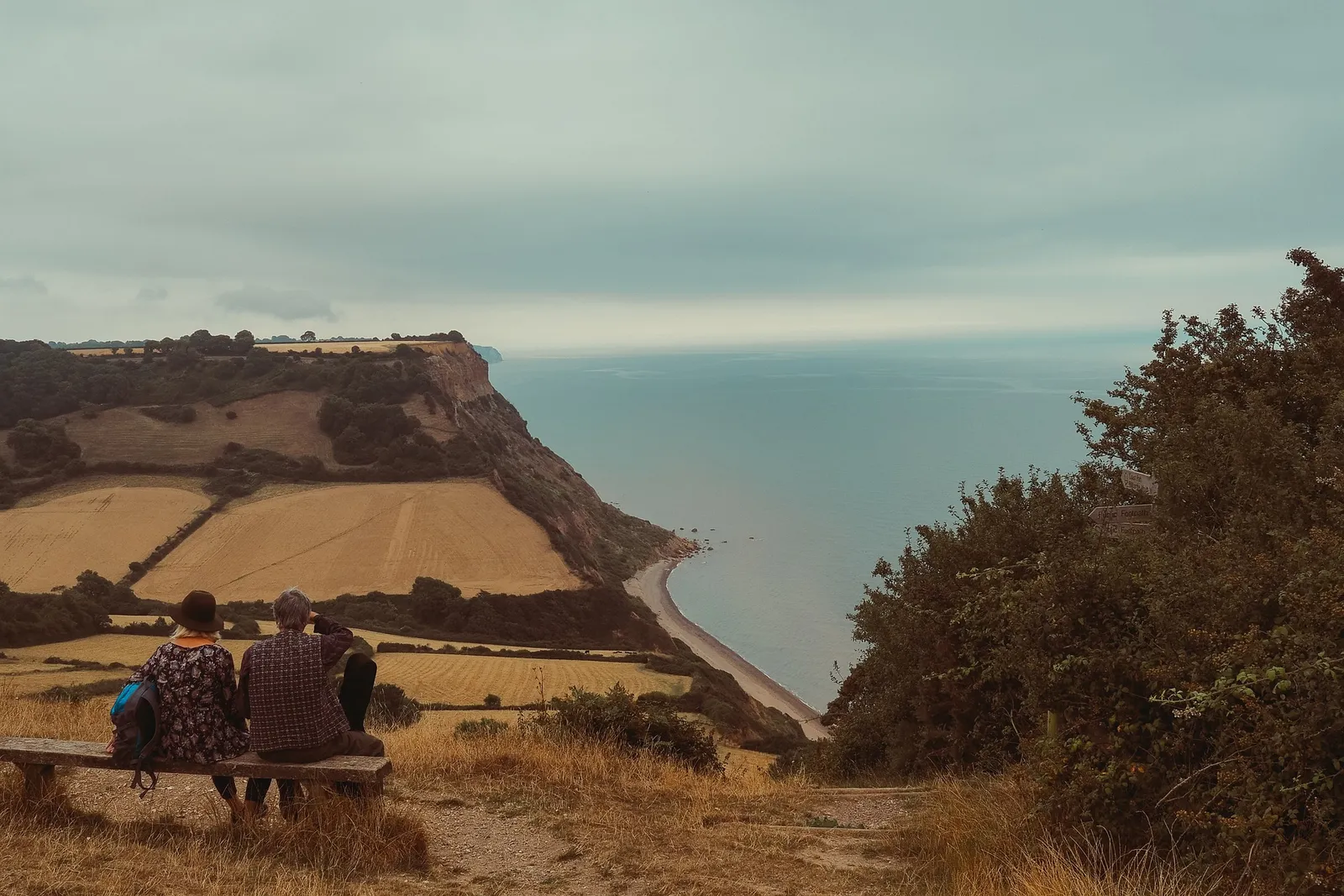
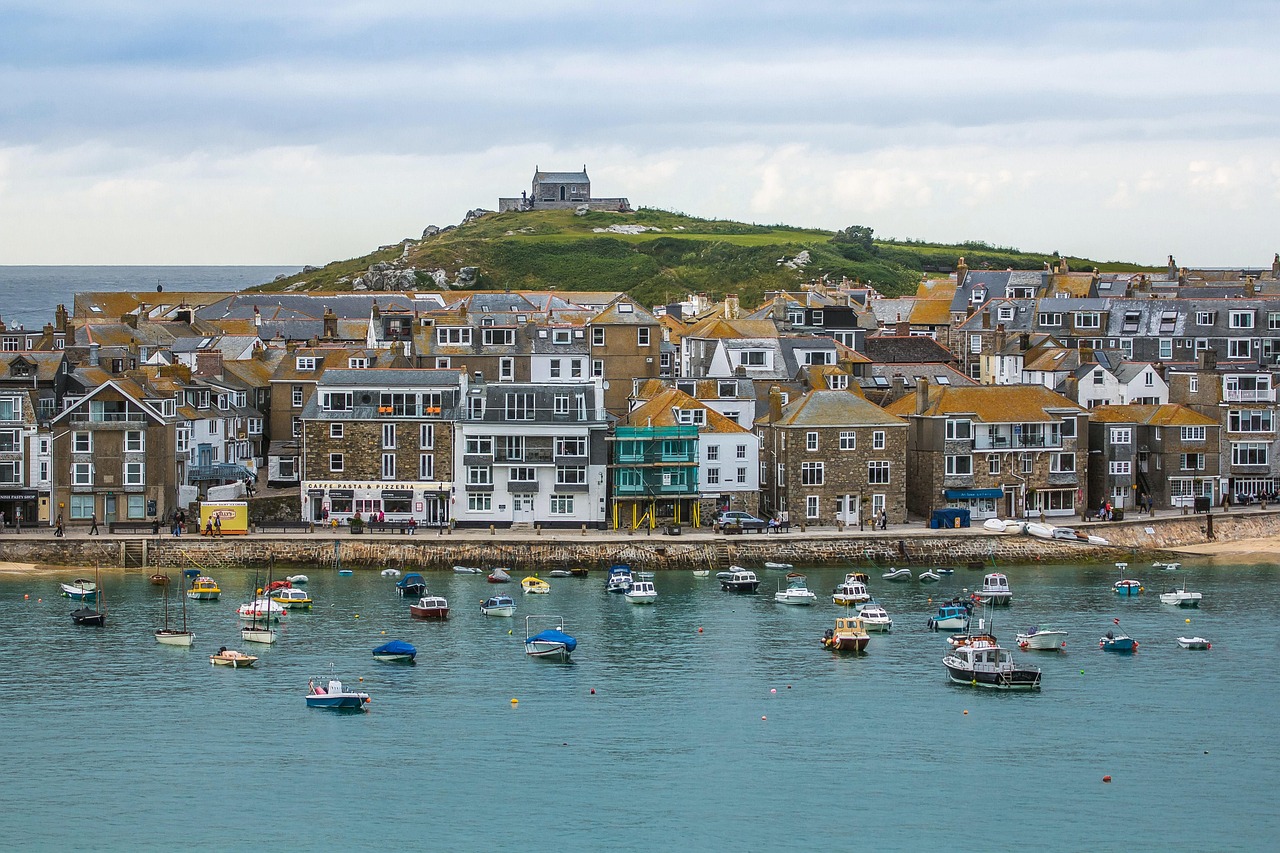
Devon has two coastlines, and the quiet corners sit on both. The north coast is the surf coast: big Atlantic swell, wide sand and dunes at Woolacombe, Croyde and Saunton. The south coast is gentler and more broken up, all wooded estuaries, shingle bars and tidal coves like Bantham, Mothecombe, Blackpool Sands and Wembury. The famous three in the north are rarely deserted in August, but walk to their far ends and you will still find space, and the south coast coves stay genuinely peaceful even in the school holidays.
This guide names the real beaches worth the drive, tells you which are for surfing and which are for rockpooling, and covers the tides and cut-off risks that catch people out on both coasts. It is part of our wider guide to coastal camping in the UK, and it comes from Camping Sites in Britain, where you can find and compare campsites near every beach mentioned here.
The north coast: surf, sand and space
North Devon's big beaches face the full Atlantic, so this is where you go for waves and wide open sand. They get busy at the main access points and stay quiet at the edges, so the trick is to walk.
Woolacombe and Combesgate
Woolacombe is a three mile stretch of golden sand with a Blue Flag and consistent, forgiving surf, which is exactly why it fills up at the village end. Walk south towards Putsborough or north past the rocks and the crowds thin fast. Just around the headland at Mortehoe sits Combesgate, a small rocky cove with good rockpools at low tide and a fraction of the footfall.
Croyde and Saunton Sands
Croyde has the most powerful surf in the area, a punchy beach break that draws experienced surfers and packs out on a good swell. It is small, so it is the opposite of secluded when the waves are on. For space, go next door to Saunton Sands: three and a half miles of sand backed by Braunton Burrows, the largest sand dune system in England and the core of the North Devon UNESCO Biosphere. Saunton's long, mellow waves suit beginners and longboarders, and there is simply enough room to walk away from everyone.
The south coast: coves, estuaries and a sea tractor
South Devon is where the genuinely quiet beaches hide, tucked into wooded river mouths along the South Hams. Access is often a walk down a lane or a woodland path, which is precisely what keeps them empty.
Bantham and Bigbury with Burgh Island
Bantham is the best surf beach on the south coast, sitting at the mouth of the River Avon with a classic view across to Burgh Island. It is beautiful, but the estuary brings strong currents near the river channel, so keep swimming and paddling well away from the moving water. Just across the estuary, Bigbury-on-Sea faces Burgh Island, reached on foot across a sand causeway at low tide. When the tide covers the sand, the famous Burgh Island sea tractor carries people across the water to the island and its 1920s hotel and the old Pilchard Inn. Check the tide before you cross so you are not stranded on the wrong side.
Mothecombe
Mothecombe, sometimes called Meadowsfoot, is one of the quietest beaches in the county precisely because it takes effort to reach. It is privately owned as part of the Flete Estate at the mouth of the Erme estuary, with a paid car park and a 10 to 15 minute walk down a wooded path to the sand. The reward is fine sand, rockpools on both sides and very few people. As with any estuary mouth, the river channel carries strong currents, so swim on the open beach rather than near the flowing water.
Blackpool Sands
Blackpool Sands, near Dartmouth, is a sheltered crescent that looks almost Mediterranean, backed by pines and evergreens. It is fine shingle rather than sand, privately managed with a cafe and shop, and it holds a Blue Flag. The bay faces away from the prevailing weather, so it stays calmer than the open surf beaches, which makes it one of the better south coast spots for a swim with children.
Slapton Sands: shingle, a freshwater lake and wartime history
Slapton Sands is a long shingle ridge that separates the sea from Slapton Ley, the largest natural freshwater lake in the South West of England and a National Nature Reserve. The freshwater lagoon on the landward side is a magnet for birds and dragonflies, while the seaward shingle stretches for miles with plenty of room to spread out. This was the site of the D-Day rehearsal Exercise Tiger in 1944, and a recovered Sherman tank stands as a memorial at Torcross. The shingle shelves steeply into deep water and there are no lifeguards along most of it, so this is a beach for walking and paddling rather than a casual swim in a swell.
Wembury: the best rockpooling in Devon
Wembury, just south of Plymouth, is the standout beach for rockpooling. Its rocky shore sits inside a Voluntary Marine Conservation Area, and the National Trust car park sits above a beach looking out to the pyramid-shaped Great Mewstone. At low tide the reef opens up into pools full of crabs, blennies, anemones and starfish. The Wembury Marine Centre, run by Devon Wildlife Trust, runs rockpool rambles and can tell you what you have found. Go on a falling tide, turn rocks gently and always put them back the way they were.
Tides and safety: read this before you swim
Devon's quiet beaches are quiet partly because they lack the lifeguard cover of the honeypots, so the responsibility sits with you. The two things that catch people out are rip currents on the open surf beaches and tidal cut-off at coves and causeways.
On the surf coast, rip currents are strong channels of water flowing back out to sea, and they are the single biggest risk at Woolacombe, Croyde, Saunton and Bantham. The RNLI advises that if you are caught in one you should not swim against it. If you can stand, wade rather than swim; if you cannot, float on your back to catch your breath and raise a hand to signal for help, then swim parallel to the shore to escape the pull. Their Float to Live advice is to tilt your head back with your ears in the water, relax and breathe, and let your body float until the panic passes. Where lifeguards are on patrol, swim between the red and yellow flags.
| Beach | Coast | Best for | Watch out for |
|---|---|---|---|
| Woolacombe | North | Surf, wide sand, families | Rip currents, busy at the village end |
| Croyde | North | Experienced surfers | Powerful shore break, small and crowded on a swell |
| Saunton Sands | North | Beginners, longboarding, space | Rips, protect the dunes at Braunton Burrows |
| Combesgate | North | Rockpools, quiet | Rocky underfoot, limited parking |
| Bantham | South | South coast surf, views | Estuary currents near the river channel |
| Bigbury and Burgh Island | South | Family sand, the sea tractor | Causeway covers at high tide |
| Mothecombe | South | Seclusion, rockpools | Estuary currents, long walk in |
| Blackpool Sands | South | Sheltered swimming | Shingle underfoot, no natural shade at midday |
| Slapton Sands | South | Long walks, birdwatching at the ley | Steep shingle, deep water, few lifeguards |
| Wembury | South | Rockpooling, marine life | Slippery reef, incoming tide |
For a deeper walk between these coves, the South West Coast Path links most of them, and our guide to Britain's coastal pathways covers planning a longer trip on foot. Near Slapton, the walk out to Start Point is one of the finest short headland routes in Devon, and features in our guide to Britain's lighthouses.
Where to camp near Devon's beaches
You can pitch within a short drive of every beach here, and the two coasts split neatly. For the north coast surf beaches, base yourself around Woolacombe, Mortehoe, Croyde or Braunton, all within a few minutes of the sand. For the quiet south coast coves, the South Hams around Bigbury, Modbury, Kingsbridge and the Slapton villages puts you close to Bantham, Mothecombe and Slapton Sands.
Browse and compare sites on our Devon campsite listings, or start from the full campsite directory to filter by facilities and dog rules. If you are choosing a pitch specifically for the coast, our guides to secret beaches and cove campsites and the wider seaside towns worth camping near are a good next read.
Frequently asked questions
Where are the most secluded beaches in Devon?
The quietest are on the south coast: Mothecombe on the Erme estuary, Wembury near Plymouth and the far end of Slapton Sands. On the north coast, Combesgate near Mortehoe and the southern end of Woolacombe towards Putsborough stay calm even in summer.
Which Devon beaches are best for surfing?
Croyde has the most powerful waves and suits experienced surfers. Woolacombe and Saunton Sands are more forgiving and better for beginners, with Saunton's long, mellow waves ideal for longboarding. On the south coast, Bantham is the standout surf beach.
Can you walk to Burgh Island?
Yes, at low tide you can walk across the sand causeway from Bigbury-on-Sea in a couple of minutes. When the tide covers the sand, the Burgh Island sea tractor carries people across the water. Always check tide times so you are not stranded.
Is it safe to swim at Slapton Sands and Bantham?
Both need care. Slapton shelves steeply into deep water with few lifeguards, so it suits paddling more than swimming. Bantham has strong estuary currents near the River Avon channel, so stay well away from the moving water and check for lifeguard flags.
Where can you go rockpooling in Devon?
Wembury is the best, a Voluntary Marine Conservation Area with a marine centre and reefs full of crabs, blennies and anemones at low tide. Combesgate near Woolacombe and the edges of Mothecombe are good quieter alternatives. Always go on a falling tide.
Are there campsites near Devon's beaches?
Yes, plenty. North Devon has clusters of sites around Woolacombe, Croyde and Braunton, and the South Hams has sites near Bigbury, Kingsbridge and Slapton. Compare them on our Devon campsite listings.
The short version
Devon's real seclusion is on the south coast, at Mothecombe, Wembury and the quiet ends of Slapton, while the north coast rewards anyone willing to walk away from the main access at Woolacombe and Saunton. Wherever you pitch, check the tide, respect the rips and put the rockpool life back where you found it. Start planning with our guide to coastal camping in the UK, then find your pitch on the Devon campsite listings.