Camping and Horse Riding: The Best UK Locations and How to Ride Them
· Updated
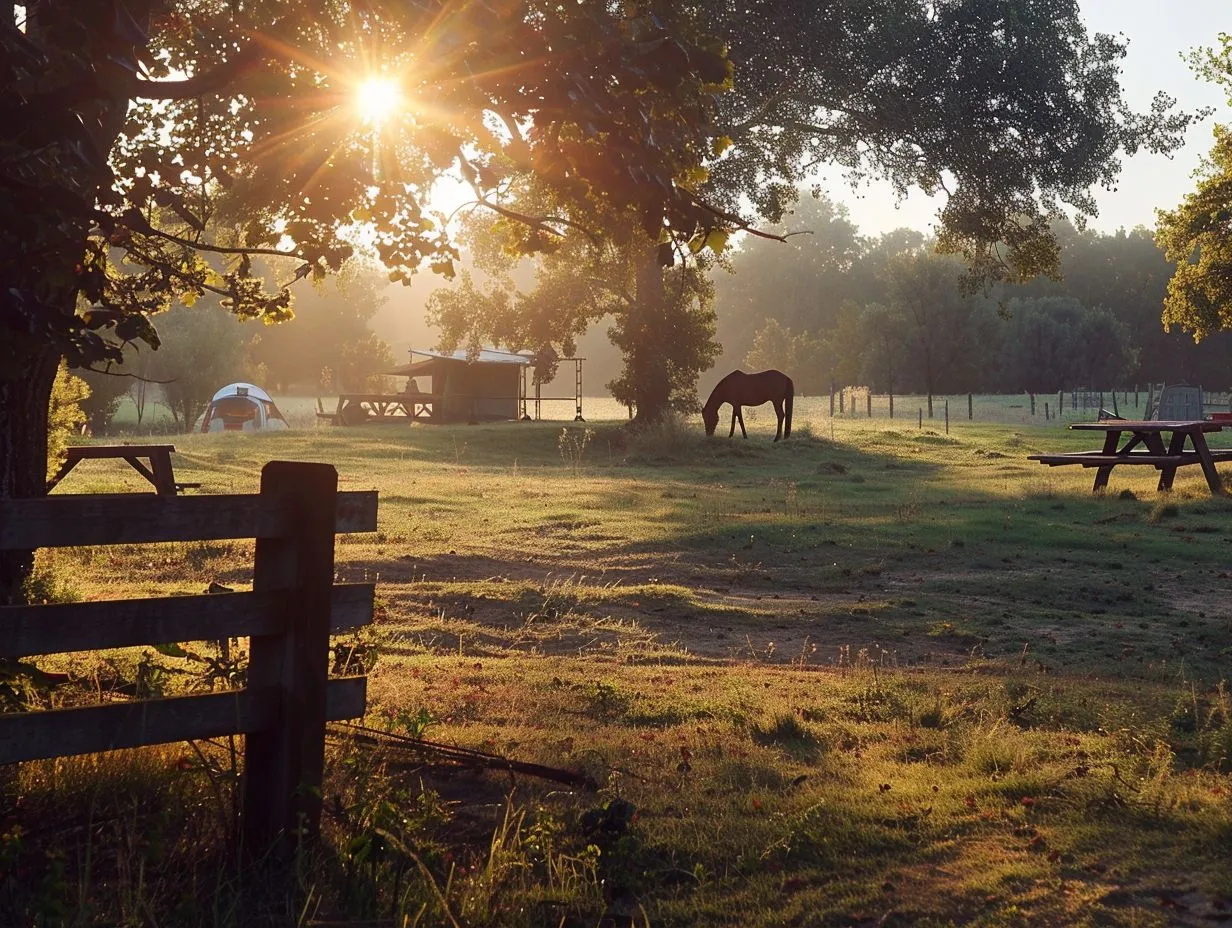
The best places in the UK to combine camping and horse riding are the ones with real riding country on the doorstep: open forest, moorland and long-distance bridleways you can follow for days. The New Forest, Exmoor, Dartmoor, the South Downs, the Yorkshire Dales and North York Moors, the Pennine hills, Kielder in Northumberland and the Scottish Highlands all put a tent and a saddle within reach of each other.
This is a spoke of our wider guide to camping along the UK's national trails, narrowed to riding. Whether you are hacking out from a trekking centre for an afternoon or hauling your own horse to a campsite with a paddock, the trip lives or dies on two things: knowing where you are allowed to ride, and finding a pitch that welcomes horses. We will sort both.
Use Camping Sites in Britain to find and compare campsites near every area below, and read on for the practical rules before you book anything.
Where you can legally ride
You may ride a horse on bridleways, byways and restricted byways, but not on public footpaths. That single distinction shapes every route you plan in England and Wales. According to the British Horse Society, riders have access to only about 22 percent of public rights of way in England and 21 percent in Wales, so the network is patchier than it looks on a map, and short stretches of road often join one off-road section to the next.
| Right of way | Can you ride it? | Also used by |
|---|---|---|
| Public footpath | No | Walkers only |
| Bridleway | Yes | Walkers, cyclists |
| Restricted byway | Yes | Walkers, cyclists, horse-drawn carriages |
| Byway open to all traffic (BOAT) | Yes | Walkers, cyclists, motor vehicles |
| National Trail bridleway (e.g. South Downs Way, Pennine Bridleway) | Yes, whole route | Walkers, cyclists |
Plan routes from an Ordnance Survey map, which colour-codes rights of way, and cross-check with the British Horse Society, whose access team maintains route advice and reports blockages. On open access moorland such as Dartmoor and Exmoor you often have more freedom to ride across the ground, but the rules vary by common and by landowner, so confirm before you set off.
The best places in the UK for camping and horse riding
These are the areas where good riding and horse-friendly camping genuinely overlap, working roughly from south to north.
The New Forest
The New Forest is the easiest introduction to riding and camping together, because so much of it is set up for both. This is one of the few places in England where you can ride across open forest and heath rather than sticking to a narrow bridleway, sharing the ground with the famous free-roaming New Forest ponies. There are dozens of riding stables offering hacks and lessons, and several large campsites inside the forest itself, some with grazing or the option to bring your own horse. Ride quietly around the commoners' ponies and cattle, and keep to a walk near car parks and villages.
Exmoor
Exmoor is proper moorland riding country, with wide open heather, wooded combes and the hardy native Exmoor pony grazing the high ground. Trekking centres around Exford and the Doone Valley run guided rides for all abilities, and the moor's bridleways link into longer routes for confident riders. Camping ranges from small farm sites with paddocks to bigger valley campsites. You can pitch in Devon or Somerset depending which side of the moor you choose, so browse campsites across Devon to base yourself well.
Dartmoor
Dartmoor offers some of the most open riding in England thanks to its access land, where bridleways cross the moor and much of the common is rideable. The tors, granite and wide skies make it dramatic, and Dartmoor ponies are a common sight. The same granite that draws climbers to the tors makes for firm going, and if you fancy swapping the saddle for a rope on a rest day, our guide to campsites for rock climbers covers the area. Navigation matters here because the weather turns fast and features vanish in mist, so carry a map and compass and tell someone your route. Several trekking centres run guided rides for people without their own horse, which is the safest way to see the interior if you do not know the moor.
The South Downs and the South Downs Way
The South Downs Way is the standout long-distance ride in southern England, and one of the few National Trails you can ride from end to end. It runs 100 miles along the chalk from Winchester in Hampshire to Eastbourne in East Sussex, entirely on bridleway and byway, which makes it rideable in full over several days. You can tackle it as a multi-day expedition with staged overnight stops, or ride sections out and back from a base campsite. The going is firm chalk and grass with big, breezy views, and there are riding centres and horse-friendly farm stays dotted along the route.
The Yorkshire Dales and North York Moors
The Yorkshire Dales and the North York Moors give you two contrasting rides within an hour of each other. The Dales offer green valleys, drystone walls and a good bridleway network, with the northern end of the Pennine Bridleway running through them. The North York Moors add heather moorland, forest tracks and a run down to the coast. Both have farm campsites used to horses, and both suit riders who want scenery without crowds. Some low-level bridleways here shadow the region's waterways, and if flat, gentle going appeals more than moorland, our guide to Britain's canal paths is worth a look. Base yourself among campsites in North Yorkshire and you can reach either.
The Pennine Bridleway
The Pennine Bridleway is the National Trail built specifically for horses. It runs 205 miles through the Pennine hills from Derbyshire to Cumbria, designed from the start as a long-distance route for riders (and shared with cyclists and walkers) that keeps you off busy roads. That makes it the natural choice for a multi-day horse-camping trip in the north of England, with bridleway all the way and a chain of settlements and farms for overnight stops. Ride it in stages rather than all at once unless you and your horse are genuinely fit for the mileage.
Kielder and Northumberland
Kielder and wider Northumberland deliver big, empty riding with hardly anyone about. Kielder Forest and the surrounding hills have forest tracks and bridleways, dark skies at night that are among the best in England for stargazing from your pitch, and a real sense of remoteness. Campsites here tend to be quiet and rural, and the emptiness that makes it special also means you should plan supplies, water for the horse and an escape route carefully.
The Scottish Highlands
The Scottish Highlands offer the wildest riding in Britain, across glens, lochsides and hill tracks. Access is more generous than in England: under the Land Reform (Scotland) Act 2003 and the Scottish Outdoor Access Code you have a right of responsible access that includes riding, so you are not tied to a fixed bridleway network in the same way. That freedom comes with responsibility for ground conditions, gates, livestock and other people. Highland trekking centres run pony treks for visitors, and you can build a camping trip around them. Look at campsites across the Highlands to plan a base.
Horse camping: taking your own horse
Horse camping means bringing your own horse and staying somewhere set up to keep it overnight, and the key is booking a site with the right facilities. You are looking for grazing or a paddock, secure fencing, a water supply and, ideally, stabling or a stable for bad weather. Many working farms and equestrian centres offer this alongside pitches for you, and some campsites near riding country welcome horseboxes and trailers even if their listing does not shout about it, so it is always worth asking.
Check these before you commit:
- Grazing or a paddock with safe, stock-proof fencing, and whether it is shared with other horses.
- Stabling or field shelter for wet nights, and what it costs on top of the pitch.
- Water and mucking out arrangements, and where muck should go.
- Turnout rules, worming or passport requirements, and whether a recent flu vaccination is needed.
- Direct access to bridleways so you are not boxing up and driving to ride.
Planning a longer point-to-point ride with your own horse works much like planning any multi-day trip, with the added job of staging overnights that can hold a horse. Our guide to how to plan a multi-day trip covers the route-building and logistics that carry straight over to the saddle.
No horse of your own? Trekking centres and riding stables
You do not need your own horse to combine camping with riding, because trekking centres and riding stables across every area above will put you on one for an hour, a day or a guided trek. Look for a centre approved by the British Horse Society or the Association of British Riding Schools, which signals proper instruction, insurance and horse welfare. Book ahead in summer, be honest about your experience so you are matched to a suitable horse, and wear a hard hat and boots with a small heel. Then camp nearby and ride out each day, which is the simplest way to test whether horse camping is for you before you invest in a horse and a box.
Access rights and Leave No Trace with horses
Riding responsibly is the price of keeping these routes open, and the rules differ across the UK. In England and Wales, follow the Countryside Code, keep to bridleways and byways, shut gates behind you and give walkers and cyclists room and warning. In Scotland, the Scottish Outdoor Access Code sets out responsible access that explicitly includes horse riding, so the freedom is wider but the duty of care is the same.
Leave No Trace applies just as much on horseback as on foot. Take all your litter home, avoid churning up soft ground or verges, and do not ride through growing crops or fragile habitats. Scatter droppings on the trail or clear them from gateways and car parks where people gather. Keep to a considerate pace near others, and slow to a walk past walkers, prams and dogs. Treat every landowner and gate as a reason someone might close a route, and ride so they never do.
For route planning, blockage reporting and up-to-date safety advice, the British Horse Society is the authority to lean on, and it is worth joining if you ride regularly off-road.
Frequently asked questions
Can you ride a horse on public footpaths in the UK?
No. You may ride on bridleways, restricted byways and byways open to all traffic, but public footpaths are for walkers only. Ordnance Survey maps colour-code the difference, and the British Horse Society estimates riders can legally use only about 22 percent of England's rights of way.
What is horse camping?
Horse camping means bringing your own horse and staying at a site equipped to keep it overnight, with grazing, a paddock, water and often stabling. You camp alongside, then ride out from the site. It suits multi-day rides where each overnight stop can safely hold your horse.
Can I take my own horse to a UK campsite?
Sometimes, but only at sites set up for it. Look for campsites, farms or equestrian centres offering grazing, fencing, water and stabling, and confirm rules on turnout, worming and vaccinations before you arrive. Always ask directly, as many horse-friendly sites do not advertise the fact.
Which National Trails can you ride end to end?
The South Downs Way (100 miles, Winchester to Eastbourne) and the Pennine Bridleway (205 miles, Derbyshire to Cumbria) are bridleway National Trails you can ride in full. The Pennine Bridleway was designed specifically for horse riders, making both ideal for multi-day trips.
Where can beginners try riding and camping together?
The New Forest is the friendliest start, with open forest riding, many stables and horse-friendly campsites in one place. Book a guided hack from a British Horse Society approved centre, camp nearby and ride out by day, no experience or horse of your own required.
Do you need special access rights to ride in Scotland?
No permit is needed. The Land Reform (Scotland) Act 2003 and the Scottish Outdoor Access Code give you a right of responsible access that includes horse riding, so you are less tied to fixed bridleways than in England. Ride considerately, avoid soft ground and respect livestock and gates.
The short version
Pick your ground first: open forest and moor at the New Forest, Exmoor and Dartmoor, long bridleway trails on the South Downs Way and Pennine Bridleway, and wild freedom in the Highlands. Ride only where you are allowed, book a pitch with real horse facilities if you are bringing your own, and lean on the British Horse Society for routes and safety. Then find your base among the campsites on Camping Sites in Britain and pitch up.
Sources: British Horse Society, off-road access in England and Wales; National Trails, South Downs Way; National Trails, Pennine Bridleway.