Cycling and Camping in the UK: Routes, Kit and Wild Camping Rules
· Updated
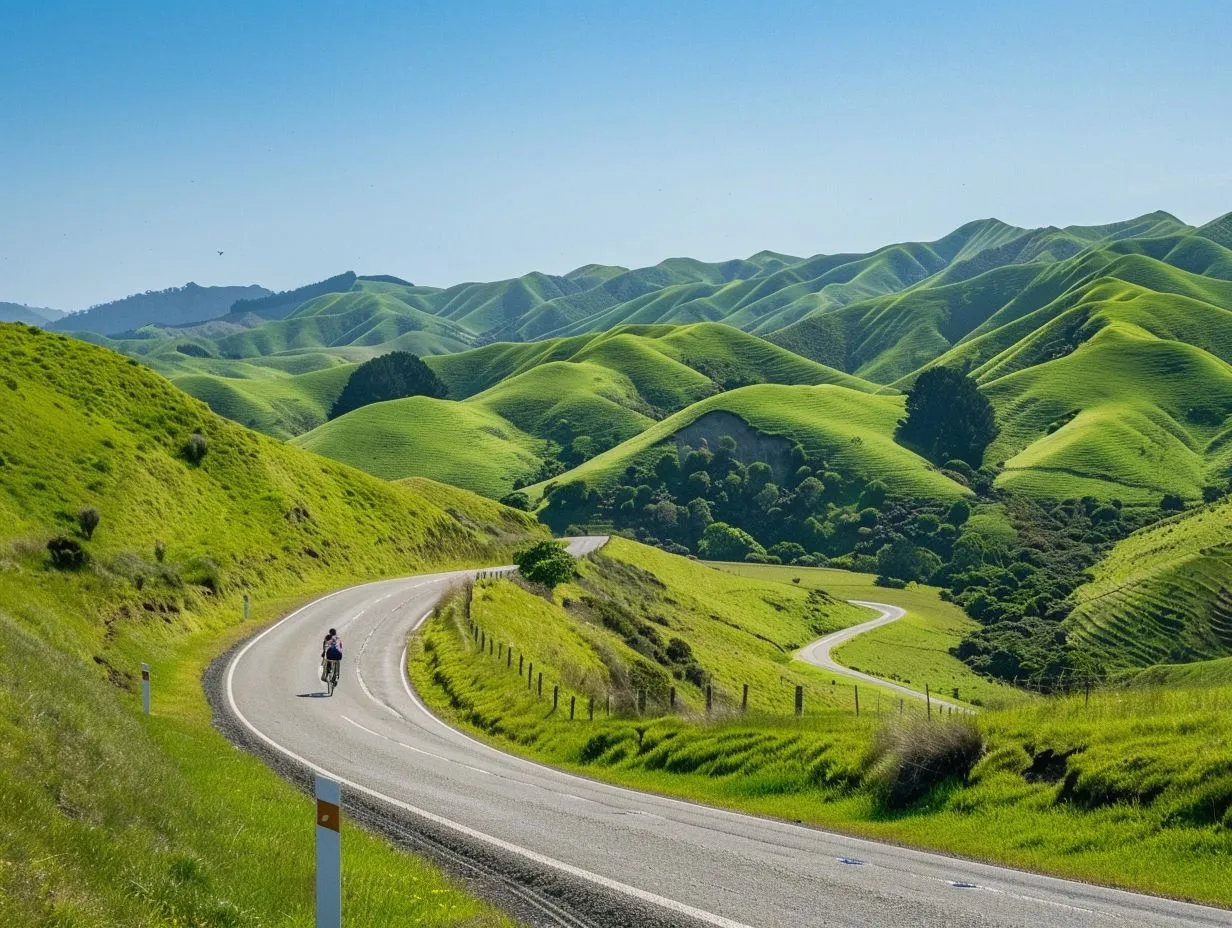
The UK is one of the best countries anywhere for combining cycling with camping, because the National Cycle Network links thousands of signed miles of route to thousands of campsites, and a large share of it runs traffic-free on former railways and canal towpaths. You can ride coast to coast in a long weekend, cross a chain of Hebridean islands in a week, or pedal a flat 18-mile railway path with young children and pitch a tent at the end of it.
Cycling and camping splits into two styles, and they need different kit. Bikepacking means carrying everything on the bike and camping light as you go. Touring from a base means riding out from one campsite each day with a near-empty bike. This guide covers the routes worth riding, the gear that keeps your load down, the campsites that welcome cyclists, and where you are actually allowed to sleep out.
It is the cycling and camping guide from Camping Sites in Britain, where you can find and compare campsites, caravan parks and glamping across the UK.
Best cycling and camping routes in the UK
The best routes for camping by bike are the ones with campsites spaced a comfortable day apart and long traffic-free sections. The National Cycle Network, developed and maintained by the charity Sustrans, is signed with the familiar red-and-white route numbers and is the backbone of almost every trip below.
| Route | Signing | Distance | Where | Traffic-free? |
|---|---|---|---|---|
| C2C (Sea to Sea) | NCN 7 and 71 | Around 140 miles | Cumbria coast to the North East | Mixed |
| Hebridean Way | NCN 780 | 185 miles | Outer Hebrides, Vatersay to Lewis | Mostly quiet roads |
| Great North Trail | Cycling UK off-road route | Around 800 miles | Peak District to Cape Wrath or John o' Groats | Mostly off-road |
| National Route 1 | NCN 1 | Over 1,000 miles | Dover to the Shetland Isles | Mixed |
| Camel Trail | Former railway | 18 miles | Cornwall, Padstow to Wenfordbridge | Fully traffic-free |
| Tarka Trail | NCN 27 | Around 30 miles traffic-free | Devon, Braunton to Meeth | Fully traffic-free |
The C2C, Britain's classic coast to coast
The C2C, or Sea to Sea, is the most ridden long-distance route in the country and the standard first tour. It runs around 140 miles from the Cumbrian coast at Whitehaven or Workington across the northern Lake District and the Pennines to Sunderland or Tynemouth, following parts of NCN 7 and NCN 71. Most riders take three or four days and camp along the way, which puts a night in or near the Lake District at the start and a long downhill finish to the North Sea.
The Hebridean Way for island hopping
The Hebridean Way (NCN 780) links 10 islands of the Outer Hebrides across 185 miles, using two ferries and six causeways to run from Vatersay in the south to the Butt of Lewis in the north. It is almost entirely on quiet single-track road rather than off-road path, the wind decides your day more than the hills do, and campsites and machair pitches are spread thinly, so it rewards a bit of planning.
Traffic-free trails for families and beginners
If you want a first bike-camping trip with children or a nervous rider, pick a former railway line where there are no cars at all. The Camel Trail in Cornwall runs 18 flat, traffic-free miles from Padstow through Wadebridge and Bodmin to Wenfordbridge along a disused railway, and the Padstow to Wadebridge stretch beside the estuary is the busiest cycling mile in the county for good reason. The Tarka Trail in Devon gives around 30 continuous traffic-free miles between Braunton and Meeth on NCN 27, among the longest off-road cycle paths in the country. For more short, campsite-linked options, read our full guide to the best cycling trails for campers, and for routes chosen with kids in mind see family-friendly cycling routes near campsites.
The Great North Trail for off-road bikepacking
The Great North Trail is the big off-road adventure. It is a Cycling UK route of roughly 800 miles from Middleton Top in the Peak District to either Cape Wrath or John o' Groats, using bridleways, the Pennine Bridleway and forest tracks rather than the tarmac of the National Cycle Network. It needs a gravel bike or mountain bike, proper navigation and real self-sufficiency, and it crosses long empty stretches of the Scottish Highlands where wild camping is part of the point.
Bikepacking kit and how it differs from car camping
Bikepacking kit is lighter, smaller and packs differently from anything you would throw in a car boot. When every item has to fit in a bag strapped to the frame and be hauled up hills by your own legs, weight and pack size matter far more than they do at a drive-up pitch.
Car campers carry a large family tent, steel pegs, a big cool box and a double airbed without a second thought. On a bike, all of that becomes a one or two-person backpacking tent, a lightweight sleeping bag, a foam or air mat and a compact stove. The load lives in three types of bag rather than a boot:
- Saddle or seat-pack bag: the largest, hung off the seatpost for a sleeping bag, mat or spare clothing.
- Frame bag: sits in the main triangle for heavy, dense items like tools, food and water, keeping the weight low and central.
- Handlebar or bar bag: a dry bag rolled across the bars for the tent, poles and layers you want quick access to.
The kit choices follow the same logic. A lightweight cook system beats a big double-burner, and packable titanium or aluminium beats anything bulky, so our guides to the best lightweight cook stoves and the best lightweight cookware for backpacking both apply directly to bikepacking. Panniers on a rear rack carry more and cost less if you are touring on roads and staying at campsites, but a soft bikepacking setup handles rough off-road trails far better and keeps the bike balanced.
Beyond the camping gear, always carry the bike essentials: spare inner tubes, a pump, tyre levers, a multi-tool, a chain link and a small first aid kit. A day of walking a broken bike is a long day.
Cycle-friendly campsites
A cycle-friendly campsite is one that takes riders without a car, and not every site does. Some campsites and caravan parks only accept a booking tied to a vehicle, or sit miles up a fast A-road with no safe approach, so it pays to check before you commit to a route.
Look for sites that advertise cyclist or backpacker pitches, sit on or near a National Cycle Network route, and offer a secure place to leave a bike overnight, a drying room and somewhere to charge lights and a phone. Many of the best are small, farm-based or Camping and Caravanning Club certificated sites rather than big holiday parks. Use the Camping Sites in Britain listings to find sites along your route and filter for the facilities you need, and book ahead in July and August when popular trail-side sites fill up.
Wild camping and the law for cyclists
Wild camping on a bike follows exactly the same law as wild camping on foot, and the rules are strict in most of the UK. Carrying a tent on your bike gives you no extra rights, so it is worth knowing where you stand before you pitch.
In England and Wales you need the landowner's permission to camp almost everywhere. The one exception is part of Dartmoor, where a legal right to backpack camp was confirmed by the UK Supreme Court on 21 May 2025 when it rejected a landowner's appeal. Everywhere else, pitching without permission is trespass, however quietly you do it.
Scotland is different and far more generous. The Land Reform (Scotland) Act 2003 and the Scottish Outdoor Access Code give a broad right to wild camp on most unenclosed land, which is what makes routes like the Great North Trail and the Highlands so good for camping by bike. The right comes with responsibilities: camp in small numbers, stay well away from roads and buildings, and take everything home. Loch Lomond and The Trossachs National Park needs a permit in its camping management zones from 1 March to 30 September, so plan around that.
Wherever you ride, follow the Countryside Code in England and Wales and the Scottish Outdoor Access Code, pitch late and leave early, use a stove rather than an open fire, and leave no trace. Our full guide to wild camping covers how to choose a pitch and camp responsibly in more detail.
What to pack for a cycling and camping trip
Pack for three jobs at once: riding, camping and staying safe on the road. The list is longer than a normal camping trip because you are carrying your accommodation and your transport's spares together.
- The bike kit: spare tubes, pump, tyre levers, multi-tool, chain link, quick links and a rag.
- The sleep system: lightweight tent or bivvy, sleeping bag rated for the season, and an insulating mat.
- The cook system: a compact stove, a gas canister, one pot and a spork, kept simple.
- Bags: a seat-pack, frame bag and bar bag, or panniers and a rack for road touring.
- Visibility and safety: a helmet, front and rear lights, a hi-vis layer and a paper Ordnance Survey map or offline GPS as backup.
- Weatherproofing: a waterproof jacket, dry bags for anything that must stay dry, and warm layers, because a British summer evening at altitude is cold.
- Water and food: two bottles or a bladder, plus more calories than you think, since riding all day with a loaded bike burns through them.
Frequently asked questions
What is the best cycling and camping route in the UK for beginners?
The Camel Trail in Cornwall and the Tarka Trail in Devon are the best starting points. Both are flat, fully traffic-free former railway lines, so there are no cars, and campsites sit close to the trail. The Camel Trail runs 18 miles and the Tarka Trail gives around 30 traffic-free miles.
Can you wild camp on a cycling trip in the UK?
Only legally in Scotland and on part of Dartmoor. Scotland allows responsible wild camping under the Scottish Outdoor Access Code, and Dartmoor gives a confirmed right after the 2025 Supreme Court ruling. Everywhere else in England and Wales you need the landowner's permission first.
What kit do I need for bikepacking rather than car camping?
Lighter, smaller and packable versions of everything. A one or two-person backpacking tent, a compact sleeping bag and mat, a small stove, and soft bags that strap to the frame, seat and bars rather than a boot full of gear. Weight and pack size matter more than at a drive-up pitch.
What is the National Cycle Network?
It is the UK's signed network of cycling and walking routes, developed and maintained by the charity Sustrans. Routes carry numbered red-and-white signs, and much of the network is traffic-free on former railways and towpaths, which makes it ideal for camping by bike.
How far can you cycle in a day with camping gear?
Most loaded riders manage 30 to 50 miles a day comfortably on tarmac, less off-road or in hills. A first-timer should plan short days, since a fully packed bike climbs slowly and camp chores eat into the afternoon. Build in time to find and set up a pitch before dark.
Are campsites happy to take cyclists without a car?
Many are, but not all, so check before you book. Look for sites advertising cyclist or backpacker pitches, ideally on or near a National Cycle Network route, with secure bike storage and charging. Small farm and club sites are often more flexible than large holiday parks.
The short version
Start on a traffic-free railway trail like the Camel or Tarka, pack light with soft bags on the frame, and book cycle-friendly campsites a day's ride apart. Wild camp freely in Scotland and on Dartmoor, but ask permission everywhere else in England and Wales.
When you are ready to plan the trip, find sites along your route in the Camping Sites in Britain listings and compare campsites, caravan parks and glamping across the country from the homepage.